Lake Anna State Park
⛏️ Trusted Guide to Virginia’s Golden Lake – Updated 2025
Where Gold Mining History Meets Lakeside Paradise
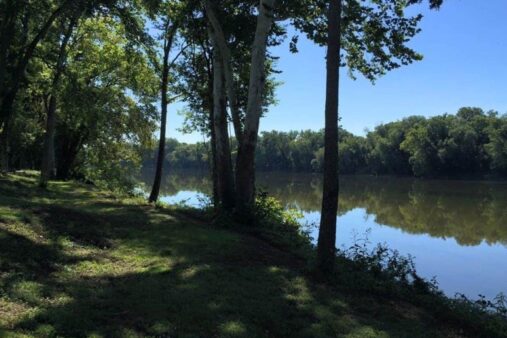
Sprawling across the shores of one of Virginia’s largest lakes, Lake Anna State Park in Spotsylvania County combines a rich gold mining heritage with outstanding water recreation, forested trails, and family-friendly camping. Lake Anna stretches 17 miles across three counties — formed in 1972 when the North Anna River was dammed — and the state park protects 2,826 acres of its southern shoreline. Once known as “Gold Hill” after the 1829 gold rush that transformed this region, the park now draws visitors seeking sandy beaches, trophy bass fishing, and the chance to pan for real gold where miners once worked shafts 100 feet deep.
Virginia’s Gold Mining Legacy
Gold was first discovered in this area in 1829, sparking a gold rush that lasted over a century before the last mines closed in the 1940s. The historic Goodwin Gold Mine site sits within the park, and abandoned mine shafts — some plunging 100 feet — can still be found in the surrounding woods (fenced for safety). The park’s visitor center features excellent exhibits on the area’s mining history, and seasonal gold panning programs let visitors try their luck in the creek beds where miners once struck pay dirt. Guided tours of the former mine site reveal the scale of operations that once made this region Virginia’s gold country.
Beach, Boating & Fishing
Sandy Swimming Beach
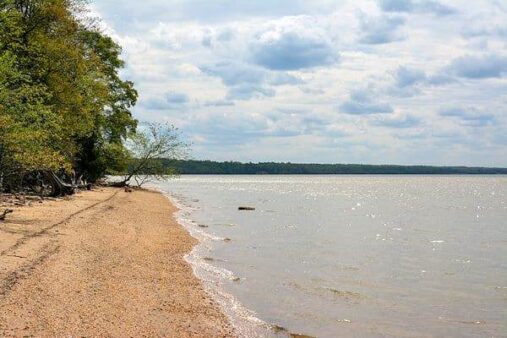
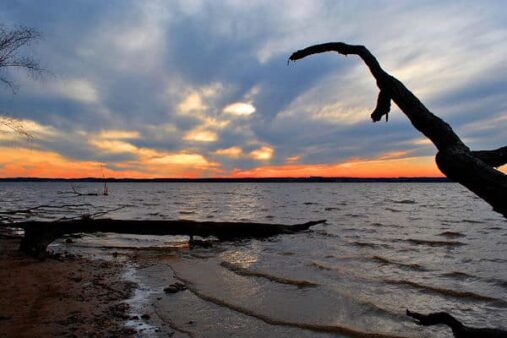
Lake Anna’s guarded swimming beach is one of the finest inland beaches in Virginia — a broad stretch of sand sloping gently into warm, clear water. The beach area is staffed by lifeguards during summer season and includes a bathhouse, concession area, and plenty of space for sunbathing. On peak summer weekends and holidays, arrive early as the beach area can fill to capacity by late morning.
Trophy Fishing
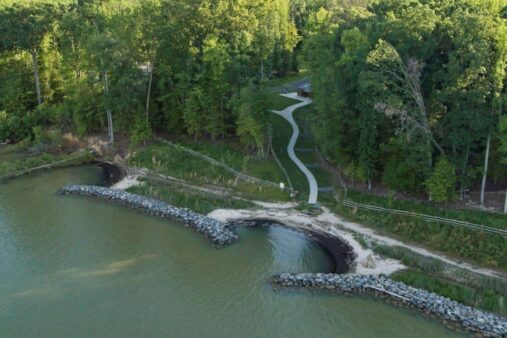
Lake Anna is renowned as one of Virginia’s premier warm-water fisheries. The lake’s unique thermal dynamics (partly influenced by the nearby power station’s warm-water discharge) create exceptional conditions for largemouth bass, catfish, crappie, striped bass, and walleye. The park provides an accessible fishing pond ideal for families and beginners, plus a boat ramp for access to the main lake. Bank fishing opportunities line the park’s extensive shoreline.
Boating & Paddling
The park’s boat ramp provides direct access to Lake Anna’s 13,000 acres of water. Jet skiing, wakeboarding, paddleboarding, and kayaking are all popular on the open water. Rental boats and watercraft are available seasonally. The lake’s numerous coves and quiet arms offer peaceful paddling away from motorboat traffic.
Over 15 Miles of Trails
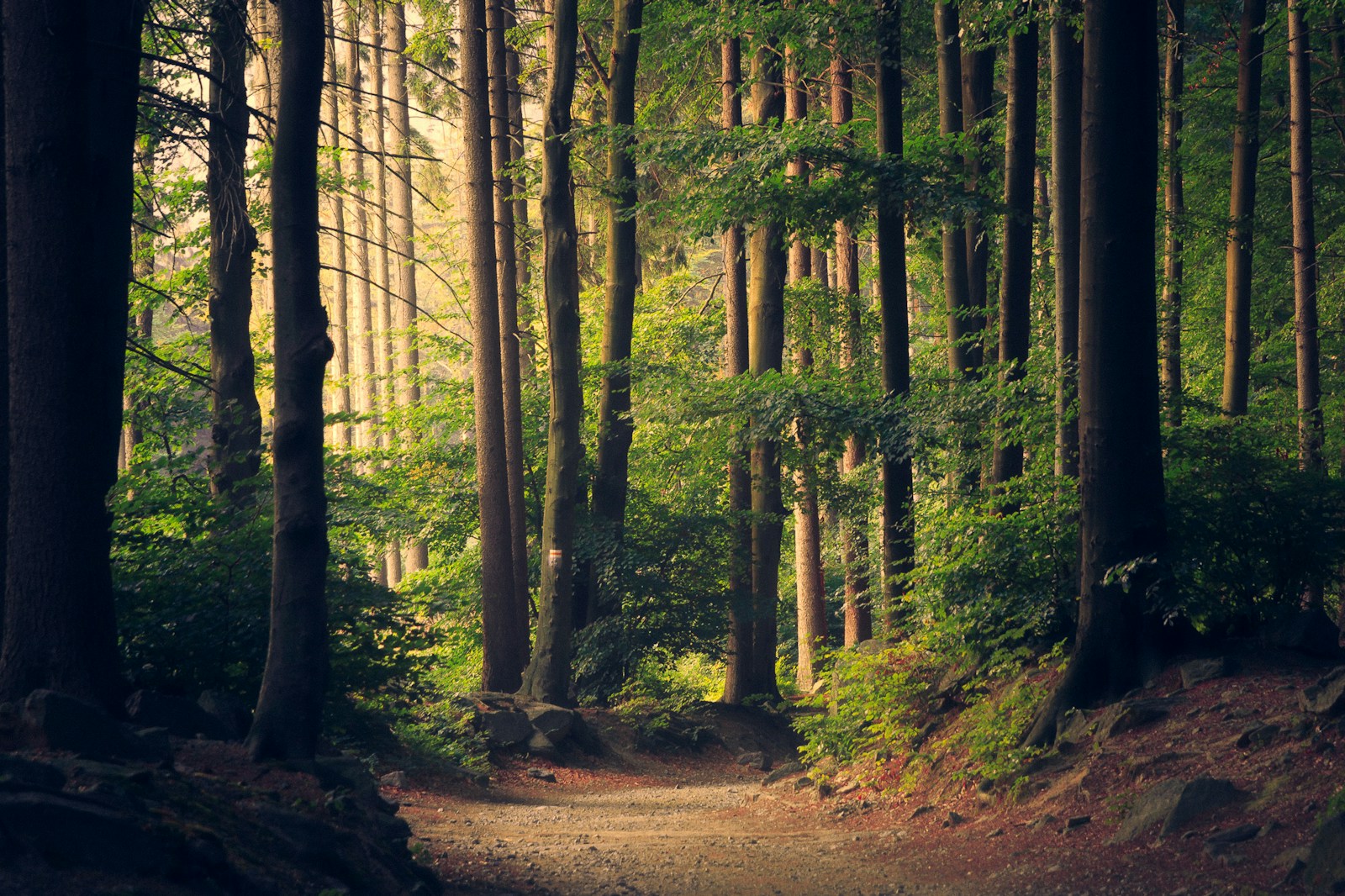
Lake Anna’s extensive multi-use trail system winds through forests of oak, hickory, and pine along the lakeshore. Trails accommodate hiking, mountain biking, and horseback riding across varied terrain from lakeside flats to rolling Piedmont hills. The Gold Hill Trail passes through the historic mining area, while lakeside routes offer water views and access to secluded beaches. Trail maps are available at the visitor center.
Camping, Cabins & Yurts
Lake Anna offers diverse overnight options to suit every style:
- Campground: Full-facility sites with electric and water hookups for tents and RVs, including picnic tables, fire rings, and access to modern bathhouses. The campground operates seasonally (typically March through November)
- Cabins: Climate-controlled lakeside cabins with kitchens, bathrooms, and screened porches — book well in advance for summer weekends
- Yurts & Lodges: Unique overnight options combining rustic charm with modern comforts, perfect for those seeking something between tent camping and a cabin
Ranger Programs & Family Activities
The park’s visitor center anchors an excellent interpretive program covering gold mining history, local ecology, and lake natural history. Seasonal offerings include guided canoe tours, children’s nature programs, geocaching adventures, and special events like triathlons and Scouting weekends. The Junior Ranger program keeps young visitors engaged while learning about the park’s natural and cultural resources.
Practical Tips
- From Richmond (60 miles): Take I-64 West to US-522 North, then follow signs to the park entrance on State Park Road
- From Washington D.C. (90 miles): Take I-95 South to Fredericksburg, then Route 208 West to Louisa County
- Parking fee: $7 per vehicle (weekdays), $10 per vehicle (weekends/holidays) during peak season
- Best fishing months: March-May for bass spawn, October-November for stripers
- The “warm side” of the lake (near the power station discharge) stays noticeably warmer — great for early/late season swimming
- Gold panning programs run Saturday mornings in summer — reserve spots early as they fill quickly
- Bring a mountain bike — the trail system is one of central Virginia’s hidden gems for off-road riding