🏭 The Tallest Freestanding Brick Structure in the World — A 585-Foot Monument to Montana’s Copper Empire — Anaconda Smelter Stack State Park in Anaconda, Deer Lodge County, Montana, 585-foot smokestack, tallest freestanding masonry structure in the world, Washoe Smelter, Anaconda Copper Mining Company, Marcus Daly, completed 1918, processed copper ore from Butte “The Richest Hill on Earth,” Superfund cleanup, National Historic Landmark — Deer Lodge County, MT
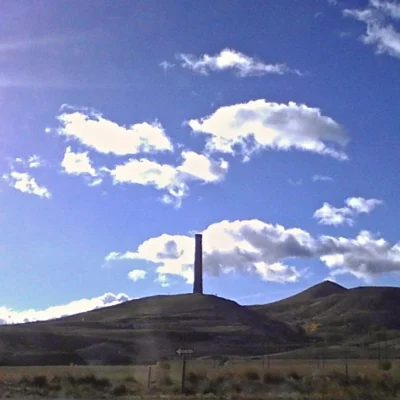
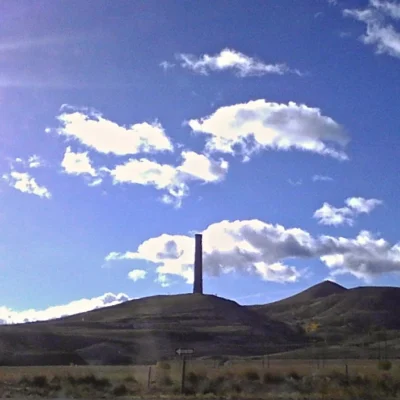
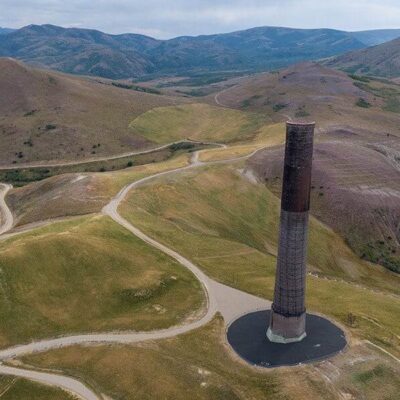
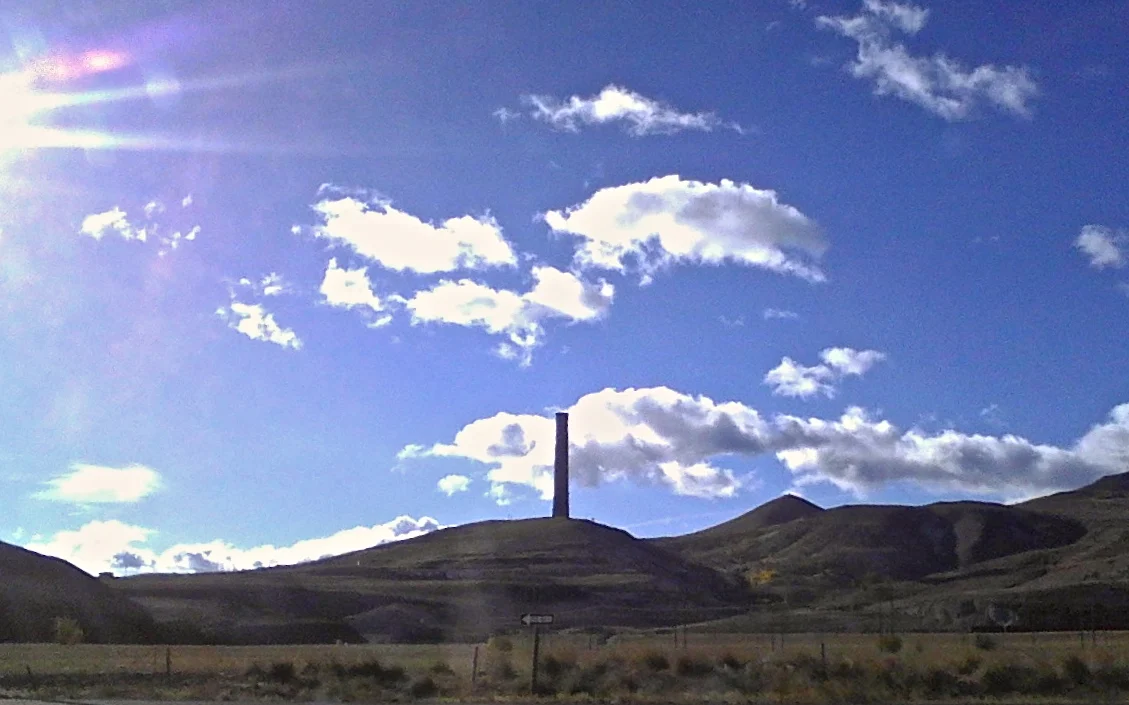
It stands alone on the Montana hillside — 585 feet of brick, taller than the Washington Monument. The Anaconda Smelter Stack is the tallest freestanding brick structure in the world, and it is the last thing standing from what was once the largest non-ferrous smelting complex on Earth.
For decades, the Washoe Smelter processed copper ore hauled by train from Butte — “The Richest Hill on Earth.” Marcus Daly’s Anaconda Copper Mining Company built an industrial empire that electrified America, and this stack was its chimney. When the smelter closed, everything was demolished — everything except the stack, which was too massive to tear down.
What to See
| Feature | Details |
|---|---|
| The Stack | 585 feet tall, 75 feet in diameter at the base. Built with 2,464,672 bricks. Completed in 1918. The tallest freestanding masonry structure in the world — taller than the Washington Monument (555 feet) |
| Viewing Area | Interpretive pullout with panels explaining the smelter’s history, the copper industry, and the environmental legacy. The stack dominates the landscape from miles away |
| Smelter Footprint | The smelter complex has been demolished, but the scale of the operation is visible in the cleared hillside. At its peak, the Washoe Smelter was the largest copper smelter in the world |
| Jack Nicklaus Golf Course | The Old Works Golf Course, designed by Jack Nicklaus, was built on the Superfund remediation site — using black slag from the smelter as sand traps. Industrial waste became a golf course |
The Timeline
| Year | Event |
|---|---|
| 1883 | Marcus Daly builds the first smelter in Anaconda to process copper ore from his mines in Butte. The town of Anaconda is built to serve the smelter |
| 1884–1902 | The “War of the Copper Kings.” Daly, William A. Clark, and F. Augustus Heinze battle for control of Butte’s copper — using politics, courts, and newspapers as weapons |
| 1902 | The Amalgamated Copper Company (later Anaconda Copper Mining Company) consolidates control. The smelter expands to process ever-larger volumes of ore |
| 1918 | The current stack is completed — 585 feet tall, designed to disperse sulfur dioxide emissions higher into the atmosphere. It replaces several smaller stacks |
| 1980 | The Anaconda smelter closes permanently. The Atlantic Richfield Company (ARCO) had acquired Anaconda Copper. Thousands of jobs vanish overnight |
| 1983 | The site is designated a Superfund site due to decades of arsenic and heavy metal contamination. Cleanup takes decades |
| 1986 | The stack is listed as a National Historic Landmark. It is preserved as a monument to Montana’s industrial heritage |
Best Time to Visit
| Season | Best For |
|---|---|
| Summer (Jun–Aug) | ☀️ Clear skies. The stack visible for miles. Combine with Butte (30 min), Georgetown Lake, and Discovery Ski Area |
| Fall (Sep–Oct) | 🍂 Golden larch season. The stack against autumn mountains. Cool air |
| Spring (Apr–May) | Snow melting. Green hillsides. Variable weather |
| Winter (Nov–Mar) | Cold Montana winter. The stack in snow is dramatic. Discovery Ski Area nearby |
Frequently Asked Questions
Is it really taller than the Washington Monument?
Yes — by 30 feet. The Anaconda Smelter Stack is 585 feet tall. The Washington Monument is 555 feet. The stack is the tallest freestanding masonry structure in the world, built entirely of brick.
Why didn’t they tear it down?
It was too massive and too contaminated. Demolishing 585 feet of brick would have created an enormous debris field, and the brick itself contained decades of absorbed heavy metals. Preserving it was safer — and it had become an icon of Montana’s industrial identity.
What was the Superfund cleanup?
Decades of copper smelting left the surrounding area contaminated with arsenic, lead, and heavy metals. The EPA designated the site (and much of the surrounding area) as a Superfund site. Cleanup has included soil removal, water treatment, and the creative conversion of the old smelter grounds into the Old Works golf course.
Make it a road trip: Pair a visit with Anaconda Smoke Stack State Park (a short drive away) or Anaconda Smoke Stack State Park (a short drive away).
🏭 585 Feet of Brick. Taller Than the Washington Monument.
Everything else was demolished. The smelter. The rail yards. The ore bins. But the stack was too big to tear down. It still stands — the last monument to “The Richest Hill on Earth.”
Wildlife & Nature
Anaconda Smelter Stack SP — features the Anaconda Smelter Stack — at 585 feet, the tallest surviving masonry structure in the world. Built in 1918 for Anaconda Copper Mining Company. The site’s high valley, sagebrush, and mountains support mule deer, pronghorn, and raptors.
Nearby Attractions
Anaconda — adjacent. Georgetown Lake — nearby. Pintler Mountains — nearby.