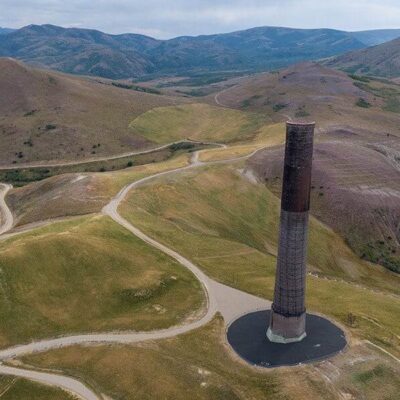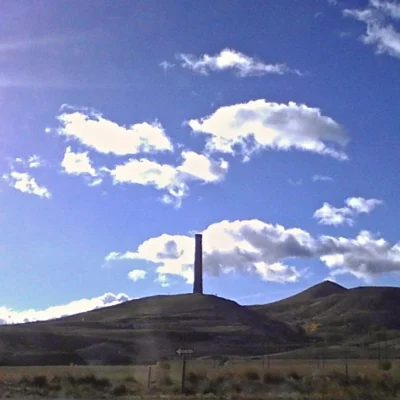
⛏️ The Richest Silver Mine on Earth — And the Ghost Town It Left Behind in the Montana Mountains — Granite Ghost Town State Park near Philipsburg, Montana, 1890s silver mining ghost town, Miners’ Union Hall ruins, superintendent’s house, Granite Mountain mine, boom and bust history, hiking through ruins — Granite County, MT
In 1890, Granite, Montana had 3,000 people, 18 saloons, a hospital, and a newspaper. By 1894, it had fewer than 150. The Granite Mountain silver mine — once considered the richest silver mine on earth — collapsed not because the silver ran out, but because Congress repealed the Sherman Silver Purchase Act and the price of silver fell through the floor.
The town died in a year. People walked away from houses, stores, and the massive Miners’ Union Hall. The mountain swallowed what they left behind. Now you can drive a steep, winding road above Philipsburg and walk through what remains — stone walls, collapsed timbers, and the ruins of a place where 3,000 people once believed they’d found fortune.
What to See
| Feature | Details |
|---|---|
| Miners’ Union Hall | The most impressive ruin — a large stone and timber structure where miners organized, socialized, and debated. The walls still stand. The roof is gone. Trees grow through the floor. The scale of the building tells you everything about how much money was here and how fast it vanished |
| Superintendent’s House | The mine superintendent’s residence — one of the best-preserved structures. The house reflects the wealth that silver brought to the people who managed the extraction. Walk around (not through) and imagine running the richest mine on earth from this mountain perch |
| Town Ruins | Foundations, walls, and fragments of the town scatter through the forest — homes, businesses, and structures that served a population larger than many Montana towns today. The walking trails connect the major ruins. Each ruin is a story of someone who came for silver and left with nothing |
| The Mine Sites | The Granite Mountain mine workings are visible but not accessible — tunnels, shafts, and waste rock piles on the mountainside. The mine produced millions of dollars in silver. The tailings and disturbed earth are the physical evidence of extraction on an industrial scale |
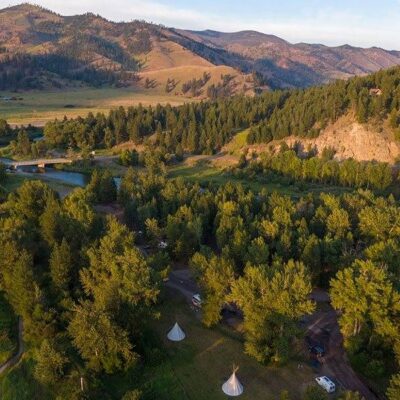
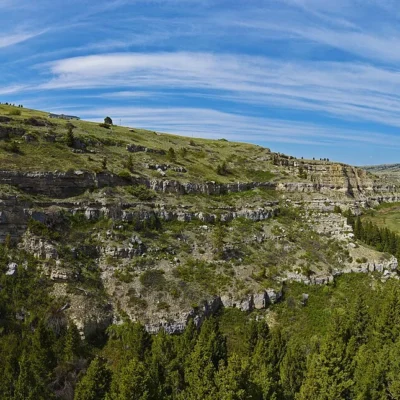
| The Views | At over 7,000 feet, the ghost town offers panoramic views of the Flint Creek Valley and the surrounding mountains. Philipsburg sits below, still alive, still small, still charming. The contrast between the dead town above and the living town below is the whole story |
The History
| Feature | Details |
|---|---|
| The Telegram | Legend says the mine was about to be abandoned when a delayed telegram allowed one final shift to work — that shift struck the richest vein of silver ever found in the mountain. Whether true or embellished, the story captures the lottery nature of mining. One shift changed everything |
| The Panic of 1893 | When Congress repealed the Sherman Silver Purchase Act, the government stopped buying silver. The price collapsed overnight. Mines that were profitable at $1.29/ounce couldn’t survive at $0.63. Granite died because Washington changed its mind |
| No Cemetery | The ground at Granite was too rocky to dig graves — the dead were carried down the mountain to Philipsburg for burial. Even in death, the mountain rejected permanence. The rock that made the town rich wouldn’t accept its dead |
| Philipsburg | The living town below — a charming former mining community with sapphire mining, a candy shop, breweries, and the kind of Main Street that makes you want to stay. Philipsburg survived because it diversified. Granite didn’t because it couldn’t |
Best Time to Visit
| Season | Best For |
|---|---|
| Summer (Jul–Aug) | ☀️ Access road clear. Wildflowers in the ruins. Long days for exploring. Philipsburg alive with visitors |
| Fall (Sep–Oct) | 🍂 Larch turning gold in the mountains. The ruins in autumn light. Fewer visitors. Cool, clear air |
| Spring (May–Jun) | Road may be muddy. Snow melting. Early access possible. The ruins emerging from winter |
| Winter (Nov–Apr) | Access road likely impassable. Deep snow at 7,000 feet. The ghost town in winter — truly abandoned |
Frequently Asked Questions
Is the road really that bad?
It’s steep, narrow, and gains over 1,200 feet. High clearance recommended. The road is unpaved and has switchbacks with limited visibility. Drive slowly. Watch for oncoming traffic. The road is part of the experience — you’re climbing to a place that was hard to reach even when 3,000 people lived there.
Can I go inside the buildings?
No — the structures are unstable and entry is dangerous. View from the outside. The ruins are fragile and over 130 years old. The stone walls and timber frames can collapse. Respect the site — it’s preserved as a state park because it’s irreplaceable.
Make it a road trip: Pair a visit with Granite Ghost Town State Park (a short drive away) or Lost Creek State Park (within about an hour’s drive).
⛏️ 3,000 People. 18 Saloons. The Richest Silver Mine on Earth. Then Congress Changed Its Mind.
Drive up a mountain above Philipsburg. Walk through stone ruins where miners organized in a union hall that’s now roofless. Look down at the valley below and think about what it means when a town dies in a year — not because the silver ran out, but because the price did.
Wildlife & Nature
Granite Ghost Town SP — a preserved 1890s silver mining ghost town at 7,600 feet elevation. At its peak, Granite was Montana’s richest silver mine — producing $40 million in silver. The town’s ruins, alpine terrain, and conifer forest support mule deer, mountain goats, and golden eagles.
Nearby Attractions
Philipsburg — 5 miles south — a restored mining town. Georgetown Lake — nearby.