
🌤 Weather at Beecher Pass State Marine Park by season
| Spring | Summer | Fall | Winter |
|---|---|---|---|
| 30–55 °F | 48–62 °F | 32–56 °F | 27–37 °F |
Each range runs from the coldest monthly average low to the warmest monthly average high in that season (1991-2020 climate normals), measured at Petersburg 1, 14 mi away, elevation 107 ft. Conditions at the park can differ from the station, especially where elevation differs — check a forecast before you go.

⛵ A Cove in the Inside Passage Where the Forest Meets the Sea — Boat-Access Alaska Wilderness — Beecher Pass State Marine Park in Southeast Alaska near Wrangell, boat-access only marine park in the Inside Passage, protected cove on Zimovia Strait, Tongass National Forest surroundings, beach camping, kayaking, wildlife viewing (humpback whales bald eagles sea otters Sitka black-tailed deer bears), anchorage for boaters, no facilities — near Wrangell, AK
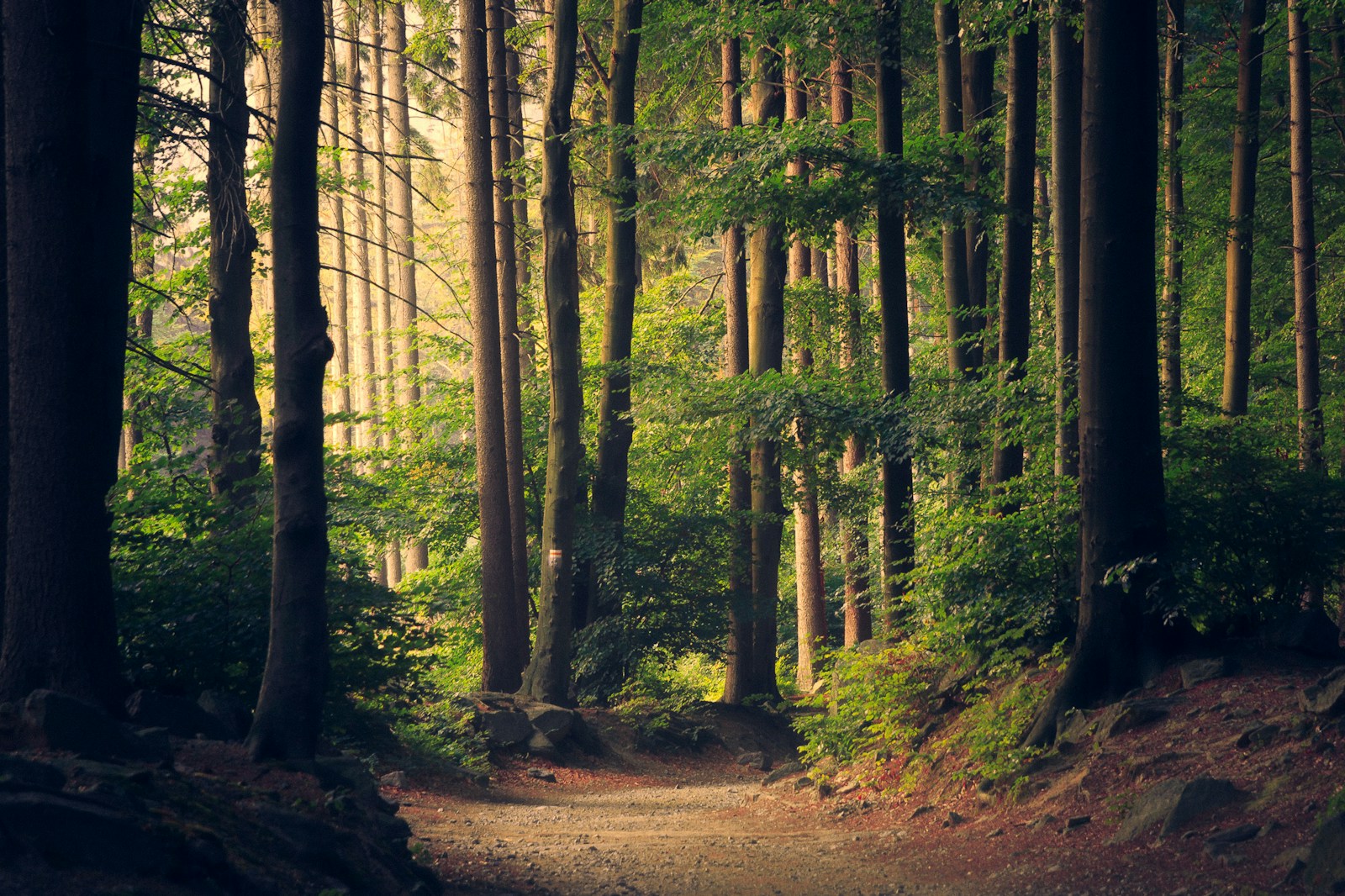
No roads lead here. No dock. No ranger station. No cell service. Beecher Pass State Marine Park is a protected cove on the Zimovia Strait near Wrangell — accessible only by boat or kayak. You pull up to a beach, tie off, and camp in the Tongass National Forest.
This is Alaska’s marine park system at its purest — raw coastline set aside for anyone with a boat and the self-reliance to use it. Humpback whales surface in the strait. Bald eagles nest in the Sitka spruce. Bears fish the salmon streams. And the nearest road is miles of saltwater away.
What to Know
| Feature | Details |
|---|---|
| Access | Boat or kayak only. No road access. Launch from Wrangell (nearest town with harbor, ferry terminal, and floatplane service). Navigate Zimovia Strait to the park |
| Beach Camping | Primitive beach camping — no facilities, no potable water, no outhouses. Bring everything. Pack everything out. Leave no trace. Bear-proof food storage essential |
| Anchorage | Protected cove provides anchorage for recreational boaters navigating the Inside Passage. Shelter from wind and current in the strait |
| Kayaking | Excellent sea kayaking from Wrangell into the marine park. The Zimovia Strait offers relatively protected paddling compared to open Inside Passage waters |
| Wildlife | Humpback whales, orcas, Steller sea lions, harbor seals, sea otters. Bald eagles everywhere. Sitka black-tailed deer. Black and brown bears — this is bear country. Salmon runs in nearby streams |
Southeast Alaska’s Marine Park System
| Feature | Context |
|---|---|
| Tongass National Forest | The park sits within the Tongass — the largest national forest in America at 16.7 million acres. Temperate rainforest. Sitka spruce, western hemlock, and red cedar. The wettest forest on the continent |
| Inside Passage | The protected waterway between the mainland and the islands of Southeast Alaska. Used by cruise ships, ferries, fishing boats, and kayakers. Beecher Pass is one stop on this 1,000-mile corridor |
| Wrangell | Small fishing town (population ~2,000) that serves as the gateway to Beecher Pass. Alaska Marine Highway ferry service. Floatplane access. One of Southeast Alaska’s oldest communities |
| Tidal Considerations | Southeast Alaska has extreme tides — 15-20 foot tidal swings. Know the tides before beaching boats or kayaks. What’s waterfront at high tide may be 100 yards from water at low tide |
Best Time to Visit
| Season | Best For |
|---|---|
| Summer (Jun–Aug) | ☀️ Longest days (18+ hours daylight). Warmest water and air. Humpback whales feeding. Salmon runs. Best paddling conditions. Still rainy — this is Southeast Alaska |
| Spring (Apr–May) | Migrating whales. Herring runs attract eagles and sea lions. Cool but increasingly long days. Fewer visitors. Water is cold |
| Fall (Sep–Oct) | Salmon spawning in streams. Bears fishing. Days shortening. Storms increasing. Dramatic but demanding |
| Winter (Nov–Mar) | Not recommended. Short days, extreme weather, cold water. Southeast Alaska marine parks are summer destinations |
Frequently Asked Questions
How do I get there?
By boat or kayak from Wrangell. There is no road access. Wrangell is accessible via the Alaska Marine Highway (ferry) from Juneau, Ketchikan, or other Inside Passage ports. Alaska Airlines serves Wrangell with regular flights from Juneau and Seattle.
Are there bears?
Yes — both black bears and brown bears. This is active bear habitat. Store food in bear canisters or hung from trees. Keep a clean camp. Make noise on trails. Carry bear spray. This is not optional.
Keep exploring: The closest neighbors are Canoe Passage State Marine Park (a short drive away) and Joe Mace Island State Marine Park (a short drive away).
Camping reservations: Book campsites and cabins for Alaska state parks online at alaskastateparks.reserveamerica.com.
⛵ No Roads. No Dock. No Cell Service. Just Alaska.
A beach in the Tongass. Whales in the strait. Eagles in the spruce. Bears on the shore. And the nearest road is miles of saltwater away. This is what a marine park looks like when the forest meets the sea.

🐾 Dogs & Pets at Beecher Pass State Marine Park
- Pets allowed? statewide rule
- Pets are welcome in Alaska State Parks and campgrounds when leashed and accompanied by the owner; unleashed dogs are allowed in the backcountry if under voice control.
- Leash rule statewide rule
- Leash not exceeding 9 feet required in developed facilities (campgrounds, picnic areas, trailheads, swim beaches, boat ramps).
- Beaches & swim areas statewide rule
- No statewide pet ban on beaches; swim beaches count as developed facilities where the 9-foot leash rule applies.
- Statewide exceptions statewide rule
- In the backcountry leashes are not required but pets must remain under voice control; in trapping areas (e.g. Chena River SRA) leashing is strongly advised for dog safety.
Are dogs allowed at Beecher Pass State Marine Park?
Pets are welcome in Alaska State Parks and campgrounds when leashed and accompanied by the owner; unleashed dogs are allowed in the backcountry if under voice control. Individual parks can post stricter rules — check signage on arrival.
Rules verified July 2026 via dnr.alaska.gov. More: Alaska state parks guide · Dog rules in all 50 states compared
Park Location
Plan your gear for Beecher Pass State Marine Park
From our editorial guides, matched to this park’s activities:
Top Tours & Activities Near Sitka
 from $210
 from $235
 from $249