🌤 Weather at Black Sands Beach State Marine Park by season
| Spring | Summer | Fall | Winter |
|---|---|---|---|
| 32–58 °F | 48–65 °F | 35–59 °F | 31–41 °F |
Each range runs from the coldest monthly average low to the warmest monthly average high in that season (1991-2020 climate normals), measured at Ketchikan 10N, 12 mi away, elevation 295 ft. Conditions at the park can differ from the station, especially where elevation differs — check a forecast before you go.

🏖️ Volcanic Black Sand and Temperate Rainforest — A Remote Alaska Beach Near Ketchikan — Black Sands Beach State Marine Park near Ketchikan, Southeast Alaska, dark volcanic sand beaches on Gravina Island, boat or floatplane access only, Tongass National Forest, camping, hiking (wood chip trail), kayaking, scuba diving, fishing, protected cove, temperate rainforest — near Ketchikan, AK
Four miles south of Ketchikan — Alaska’s “First City” — dark volcanic sand meets the Tongass rainforest at a protected cove on Gravina Island. Black Sands Beach State Marine Park is what happens when the Ring of Fire’s geology and Southeast Alaska’s temperate rainforest collide at the waterline.
No roads. No dock. You arrive by boat or floatplane, beach your vessel on dark sand, and walk into the largest temperate rainforest in North America. Sitka spruce tower overhead. The tide pools are cold and wild. And the nearest coffee shop is a boat ride away in Ketchikan.
What to Do
| Activity | Details |
|---|---|
| Beach | Dark, shallow-sloping sandy beaches — volcanic sand from the region’s igneous geology. Protected cove provides shelter from the open water. Dramatic when wet — the sand turns nearly black |
| Camping | Primitive beach and forest camping. No facilities — pack everything in, pack everything out. Bear-proof food storage essential. The forest floor is soft with centuries of moss and needles |
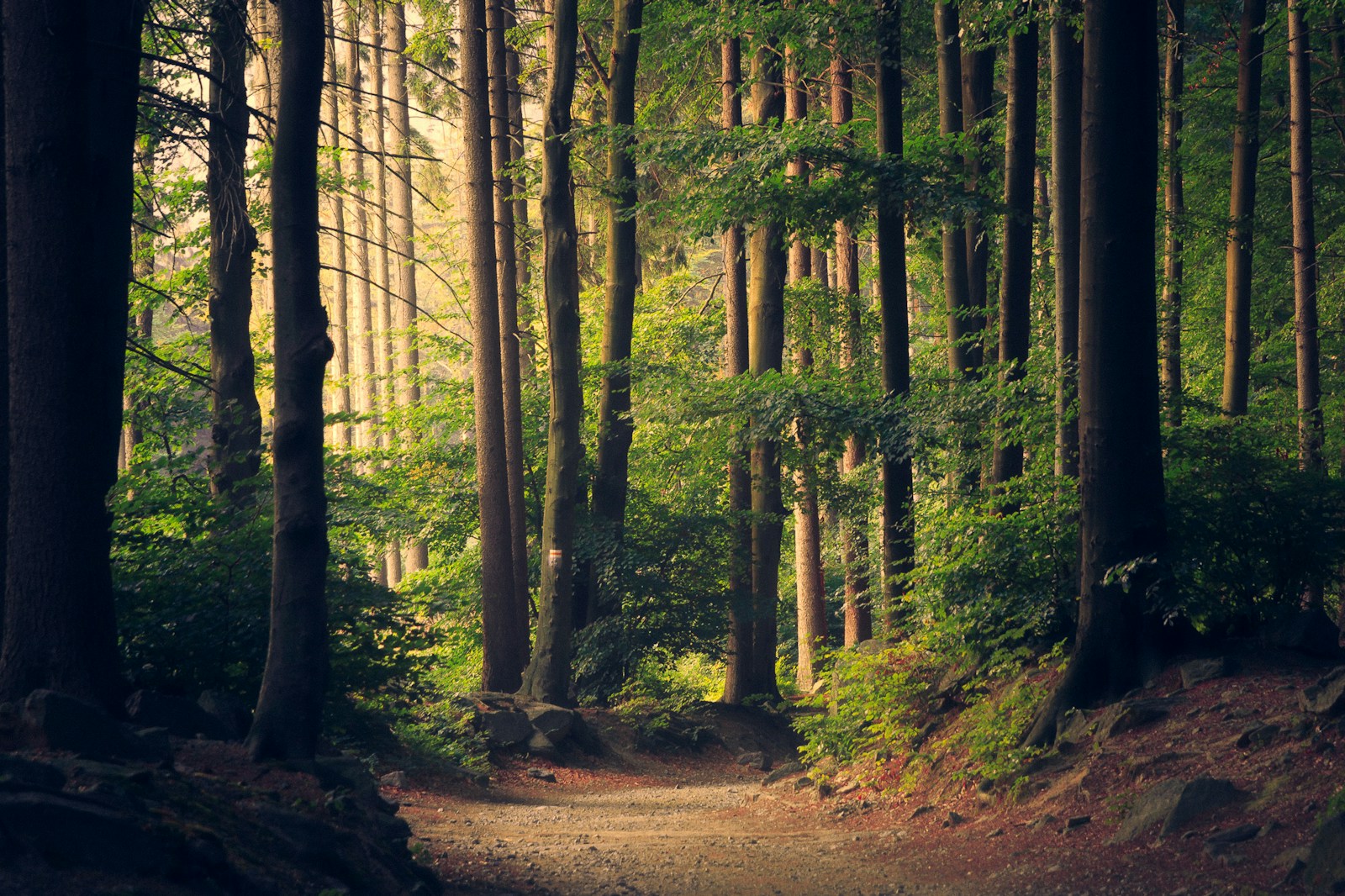
| Hiking | Wood chip trail through the temperate rainforest behind the beach. Sitka spruce, western hemlock, moss-draped branches. Short but immersive — old-growth forest steps from the sand |
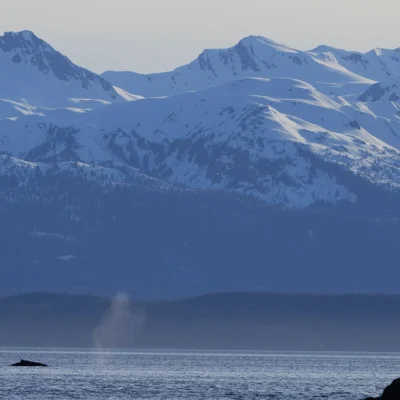
| Kayaking | Excellent sea kayaking from Ketchikan. Protected waters near the park. Whale watching opportunities in the surrounding channels. Bring proper cold-water gear |
| Scuba Diving | One of few Alaska marine parks specifically noted for scuba diving. Cold, clear water. Giant Pacific octopus, wolf eels, sea stars, and kelp forests. Dry suit required |
| Fishing | Salmon (pink, chum, silver in season), halibut, rockfish from shore or boat. The waters around Gravina Island are productive fishing grounds |
The Tongass and Ketchikan
| Feature | Details |
|---|---|
| Tongass National Forest | 16.7 million acres — the largest national forest in America. Temperate rainforest receiving 150+ inches of rain per year. Sitka spruce and western hemlock. The park sits within this vast forest |
| Ketchikan | Alaska’s “First City” — the first major port of call for cruise ships and ferries heading north through the Inside Passage. Population ~8,000. Known for totems, salmon, and rain |
| Gravina Island | The island across the Tongass Narrows from Ketchikan. Mostly undeveloped wilderness. Connected to Ketchikan by airport ferry (the airport is on Gravina). Black Sands Beach is on the outer coast |
| Volcanic Geology | The dark sand comes from the region’s volcanic and metamorphic bedrock — part of the Pacific Ring of Fire. Unlike mainland black sand beaches (Hawaii), these are cold-water, rainforest-backed |
Best Time to Visit
| Season | Best For |
|---|---|
| Summer (Jun–Aug) | ☀️ Longest days. Warmest temps (55–65°F). Salmon runs. Whale watching. Best kayaking conditions. Still rainy — always rainy |
| Spring (May) | Eagles. Herring runs. Longer days starting. Cold water. Fewer visitors. Wildflowers in the forest understory |
| Fall (Sep–Oct) | Silver salmon. Bears fishing streams nearby. Storms building. Dramatic but demanding weather |
| Winter (Nov–Apr) | Not recommended. Short days, heavy rain, cold water. The marine park is a summer destination |
Frequently Asked Questions
How do I get there?
By boat or floatplane from Ketchikan. There’s no road access. Ketchikan is reachable via Alaska Marine Highway (ferry) or Alaska Airlines (daily flights from Seattle and Juneau). Local water taxi services can transport you to the park.
What about bears?
Both black bears and brown bears inhabit Gravina Island. Store food in bear canisters. Keep a clean camp. Make noise on trails. Carry bear spray. This is standard practice for all camping in Southeast Alaska.
Keep exploring: The closest neighbors are Dall Bay State Marine Park (a short drive away) and Refuge Cove State Recreation Site (a short drive away).
Camping reservations: Book campsites and cabins for Alaska state parks online at alaskastateparks.reserveamerica.com.
🏖️ Black Sand. Green Rainforest. Cold Water. Pure Alaska.
Volcanic sand meets the Tongass at the waterline. Sitka spruce tower behind the beach. Giant Pacific octopus patrol the kelp forest below. Four miles from Ketchikan, a thousand miles from ordinary.
Wildlife & Nature
Black Sands Beach SMP — features a volcanic black sand beach on Resurrection Bay. The park’s coastal waters, beach, and rainforest support sea otters, humpback whales, and Steller sea lions. Harbor seals haul out on nearby rocks.
Nearby Attractions
Seward — accessible by boat. Kenai Fjords NP — adjacent. Resurrection Bay — surrounding.

🐾 Dogs & Pets at Black Sands Beach State Marine Park
- Pets allowed? statewide rule
- Pets are welcome in Alaska State Parks and campgrounds when leashed and accompanied by the owner; unleashed dogs are allowed in the backcountry if under voice control.
- Leash rule statewide rule
- Leash not exceeding 9 feet required in developed facilities (campgrounds, picnic areas, trailheads, swim beaches, boat ramps).
- Beaches & swim areas statewide rule
- No statewide pet ban on beaches; swim beaches count as developed facilities where the 9-foot leash rule applies.
- Statewide exceptions statewide rule
- In the backcountry leashes are not required but pets must remain under voice control; in trapping areas (e.g. Chena River SRA) leashing is strongly advised for dog safety.
Are dogs allowed at Black Sands Beach State Marine Park?
Pets are welcome in Alaska State Parks and campgrounds when leashed and accompanied by the owner; unleashed dogs are allowed in the backcountry if under voice control. Individual parks can post stricter rules — check signage on arrival.
Rules verified July 2026 via dnr.alaska.gov. More: Alaska state parks guide · Dog rules in all 50 states compared
Park Location
Plan your gear for Black Sands Beach State Marine Park
From our editorial guides, matched to this park’s activities: