🌤 Weather at Brook Farm Historic Site by season
| Spring | Summer | Fall | Winter |
|---|---|---|---|
| 28–69 °F | 58–85 °F | 34–76 °F | 19–42 °F |
Each range runs from the coldest monthly average low to the warmest monthly average high in that season (1991-2020 climate normals), measured at Jamaica Plain, 2 mi away, elevation 95 ft. Conditions at the park can differ from the station, especially where elevation differs — check a forecast before you go.

🏆 Transcendentalist Utopia — Site of the 1841–1847 Brook Farm utopian community — where Hawthorne, Emerson, and Thoreau debated paradise
Brook Farm Historic Site preserves the grounds of America’s most famous utopian experiment — the Brook Farm community (1841–1847) in West Roxbury. Founded by Unitarian minister George Ripley, the commune attracted the greatest minds of the Transcendentalist movement: Nathaniel Hawthorne was a founding member (and later satirized it in “The Blithedale Romance”), Ralph Waldo Emerson visited frequently, and Margaret Fuller was a regular. The community sought to combine intellectual labor with farming — proving that manual work and philosophy could coexist.
Visitor Information
| Detail | Information |
|---|---|
| Location | West Roxbury, Boston, MA |
| Entry Fee | Free |
| History | 1841–1847 Transcendentalist commune! |
| Residents | Hawthorne, Emerson visits, Fuller! |
Frequently Asked Questions
Why did Brook Farm fail?
A devastating fire in 1846 destroyed the nearly-completed central building (the Phalanstery), and the community couldn’t recover financially. The experiment lasted just 6 years but profoundly influenced American literature and philosophy.
About Brook Farm
Brook Farm Historic Site in West Roxbury preserves the location of America’s most famous utopian community experiment — the Brook Farm Institute of Agriculture and Education (1841-1847). Founded by Transcendentalist minister George Ripley, with connections to Nathaniel Hawthorne and Ralph Waldo Emerson, Brook Farm sought to create a society balancing intellectual and manual labor.
Things to Do
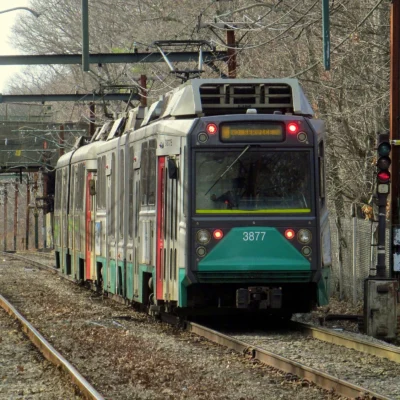
Walking the grounds where American literary giants debated philosophy, reading interpretive panels about the Transcendentalist movement, and reflecting on 19th-century American idealism. The site is within Boston’s urban boundary — accessible by public transit.
Keep exploring: The closest neighbors are Hammond Pond Reservation (a short drive away) and Hemlock Gorge Reservation (a short drive away).
Wildlife & Nature
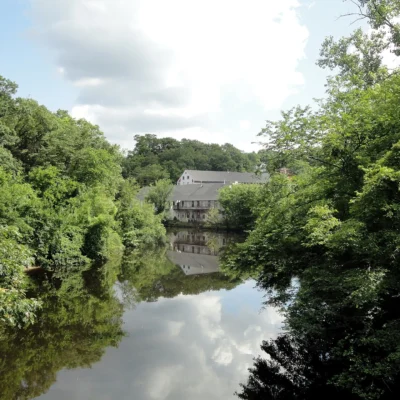
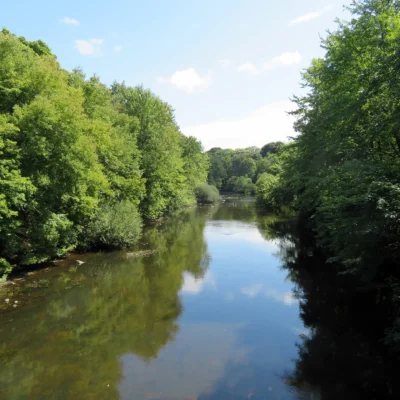
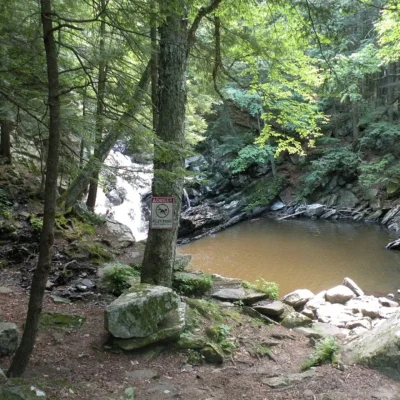
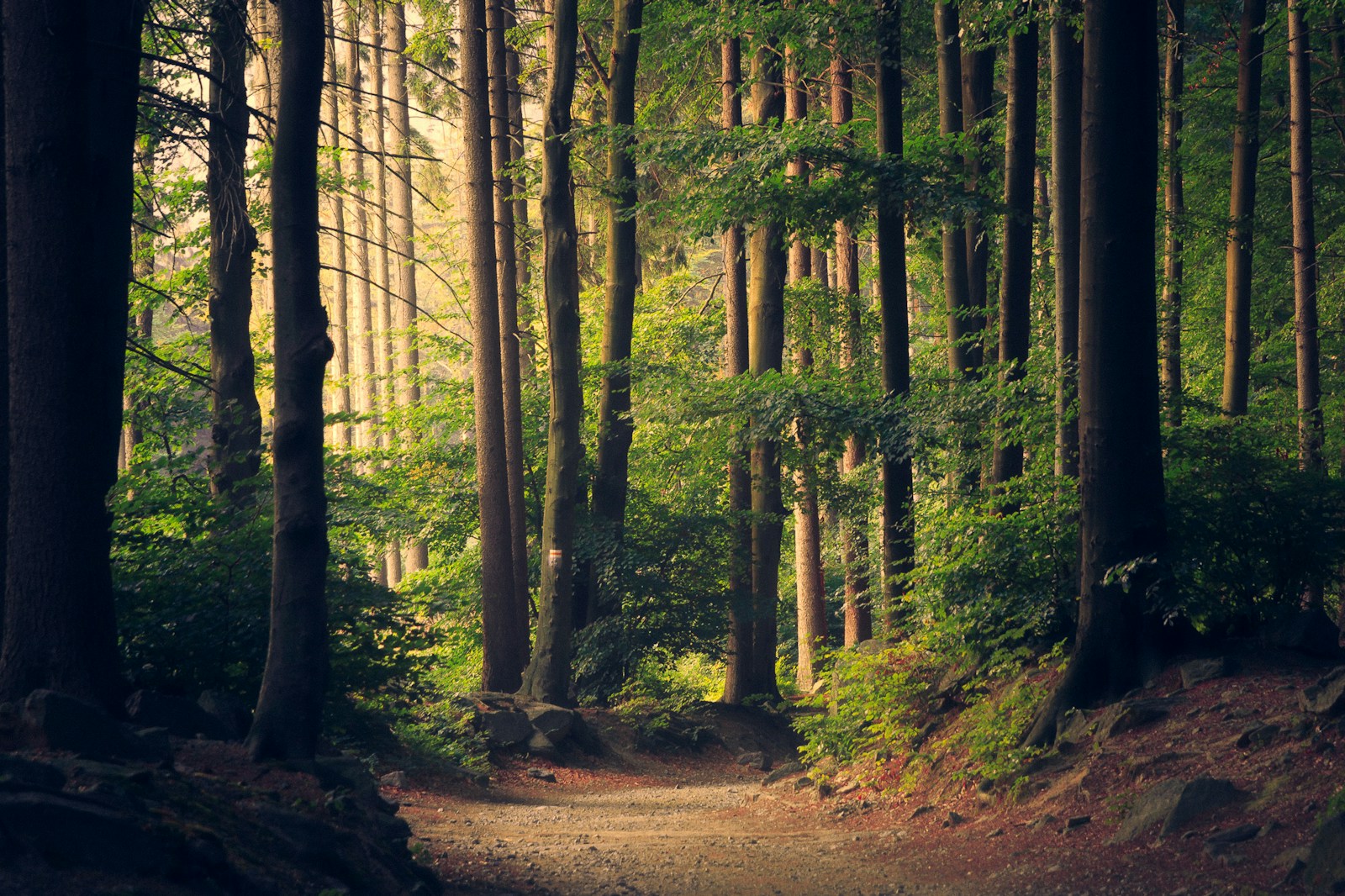
Brook Farm HS — 179 acres — preserves the site of the famous Transcendentalist utopian community (1841-1847) founded by George Ripley. Members included Nathaniel Hawthorne, and visitors included Ralph Waldo Emerson and Margaret Fuller. The site’s meadows, wetlands, and forest support red-tailed hawks, songbirds, and butterflies.
Nearby Attractions
West Roxbury (Boston) — surrounding. Arnold Arboretum — 5 miles east. Walden Pond — 20 miles west.

🐾 Dogs & Pets at Brook Farm Historic Site
- Pets allowed? statewide rule
- The Massachusetts Department of Conservation and Recreation (DCR) welcomes dogs on-leash in most state parks, forests and reservations, though a list of specific properties prohibits dogs for safety, health or habitat reasons.
- Leash rule statewide rule
- Leash of no more than 10 feet in on-leash areas; dogs must be on-leash in all parking areas.
- Beaches & swim areas statewide rule
- Dogs are not allowed on DCR coastal beaches or in designated swimming areas of inland beaches from May 1 through September 15; shorebird-nesting beaches are closed to dogs April 1 - September 15.
- Cabins & lodging statewide rule
- Dogs are not allowed in cabins, yurts and the encompassing areas (no pet-friendly cabin program).
- Statewide exceptions statewide rule
- Designated off-leash areas at ~20 properties (e.g. Bark Place at Breakheart Reservation); max 4 dogs per person; dogs banned entirely at Walden Pond, Moore State Park, Sandy Point and Boston Harbor Islands.
Are dogs allowed at Brook Farm Historic Site?
The Massachusetts Department of Conservation and Recreation (DCR) welcomes dogs on-leash in most state parks, forests and reservations, though a list of specific properties prohibits dogs for safety, health or habitat reasons. Individual parks can post stricter rules — check signage on arrival.
Rules verified July 2026 via mass.gov. More: Massachusetts state parks guide · Dog rules in all 50 states compared