Cheboygan State Park
Overview: Lighthouse Ruins and Duncan Bay
Stretching across 1,250 acres on the Lake Huron shore at Duncan Bay, approximately 4 miles east of the city of Cheboygan, Cheboygan State Park combines a rare piece of maritime history—the stone foundations of the 1859 Cheboygan Point Lighthouse—with a sandy family beach, diverse forest trails, and access to the productive fishing waters of Duncan Bay and Elliot Creek.
The park sits at the strategic junction where the Straits of Mackinac meet the northern Lake Huron coast—a stretch of shoreline that was once critical for Great Lakes navigation and dotted with lighthouses guiding ships through the treacherous straits. Today, the lighthouse is gone (decommissioned in 1930, dismantled after decades of vandalism in the 1940s), but its stone foundations remain as a haunting, evocative ruin in the forest—one of the most atmospheric historical sites in the Michigan park system.
The Lighthouse Ruins
The Cheboygan Point Light was first established in 1851 on a pier, then rebuilt on shore in 1859 to guide vessels navigating the approaches to the Straits of Mackinac. After the offshore Fourteen Foot Shoal Light was completed, the shore station was decommissioned in 1930. Following years of neglect and vandalism, the buildings were dismantled in the 1940s, leaving only the stone foundations that visitors can explore today via the park’s trail system.
- Access: Hiking trail from the campground or day-use area (marked on trail maps as “Lighthouse Ruins”)
- Interpretive Signage: On-site panels explain the station’s history and its role in Great Lakes navigation
- Atmosphere: Stone foundations in the forest, surrounded by mature trees—a quietly powerful reminder of the maritime era
Duncan Bay Beach
The day-use area features a sandy, family-friendly swimming beach on Duncan Bay with a beach house, changing facilities, restrooms, picnic tables, and a playground. The bay’s sheltered position provides calmer water conditions than open Lake Huron.
1,250 Acres of Trails and Forest
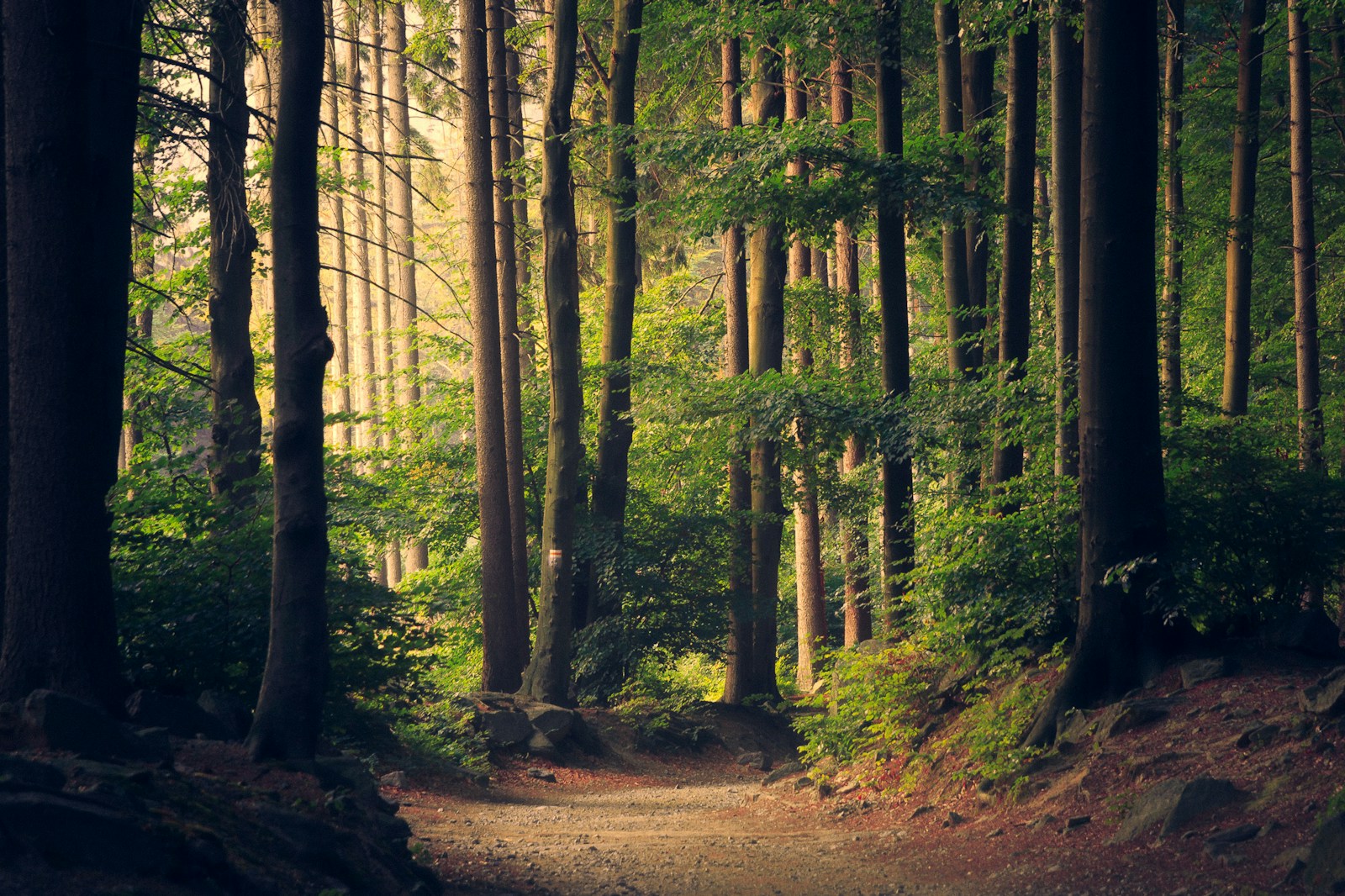
Multiple miles of trails wind through a varied landscape of hardwood and conifer forests, dune ridges, and wetlands along Elliot Creek. The trail system serves hiking, mountain biking, and cross-country skiing.
Camping and Cabins
Modern campsites and rustic cabins in a forested setting provide overnight accommodations within walking distance of the beach and trail system.
Fishing
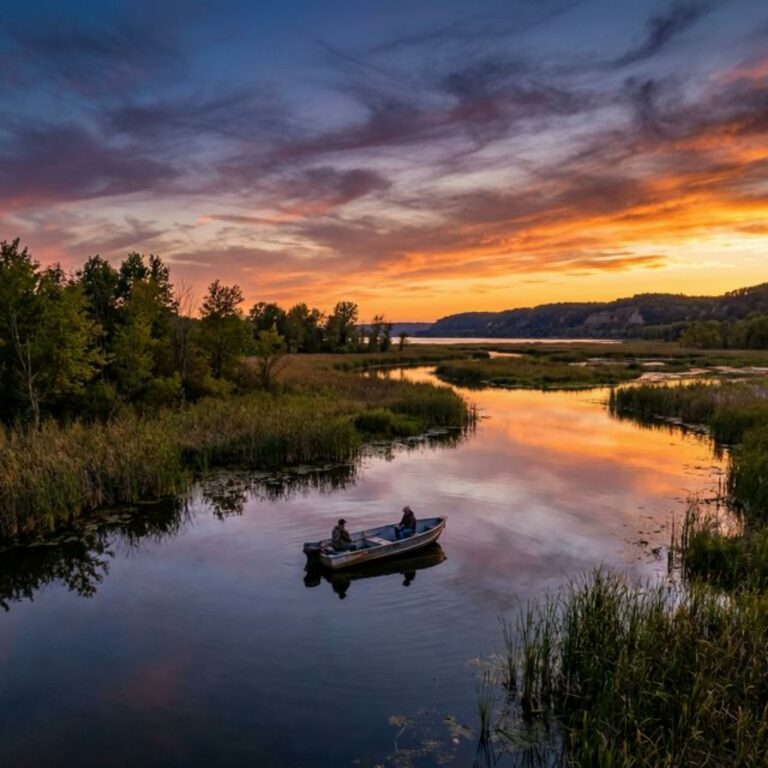
- Duncan Bay: Productive nearshore Lake Huron fishing for smallmouth bass, perch, and seasonal salmon
- Elliot Creek: A trout stream flowing through the park, providing shore-accessible stream fishing
Seasonal Guide
Spring (May–June)
Trout fishing opens on Elliot Creek. Wildflowers along forest trails. Lighthouse ruins at atmospheric best.
Summer (June–August)
Peak season. Beach swimming, camping, trail hiking. Mackinac Island day trips from nearby Cheboygan.
Autumn (September–October)
Fall color in the hardwood-conifer forest. Salmon runs. Quiet campground.
Winter (November–March)
Cross-country skiing on groomed trails. Winter beach walks. Ice formations on Duncan Bay.
Frequently Asked Questions
Can I see the lighthouse? The lighthouse itself was dismantled in the 1940s. Stone foundations from the 1859 station remain in the forest, accessible by hiking trail with interpretive signage.
How close is Mackinac Island? Ferry service to Mackinac Island operates from nearby Mackinaw City and St. Ignace, both within a short drive.