🌤 Weather at Farny State Park by season
| Spring | Summer | Fall | Winter |
|---|---|---|---|
| 27–70 °F | 57–83 °F | 32–75 °F | 19–41 °F |
Each range runs from the coldest monthly average low to the warmest monthly average high in that season (1991-2020 climate normals), measured at Charlotteburg Reservoir, 7 mi away, elevation 778 ft. Conditions at the park can differ from the station, especially where elevation differs — check a forecast before you go.

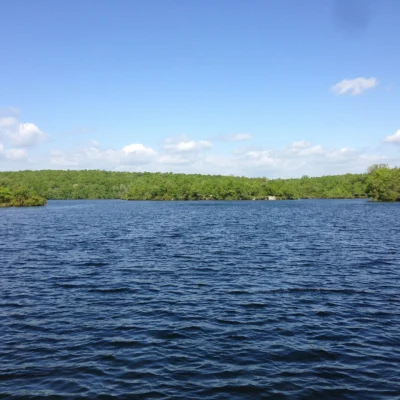
🏆 New Jersey — Rugged 3,600-acre wildland in Morris County — one of the least developed state parks in NJ with extensive backcountry trails through the New Jersey Highlands. The park encompasses Splitrock Reservoir and connects to miles of the Highlands Trail.
Visitor Information
| Detail | Info |
|---|---|
| Location | New Jersey |
About Farny
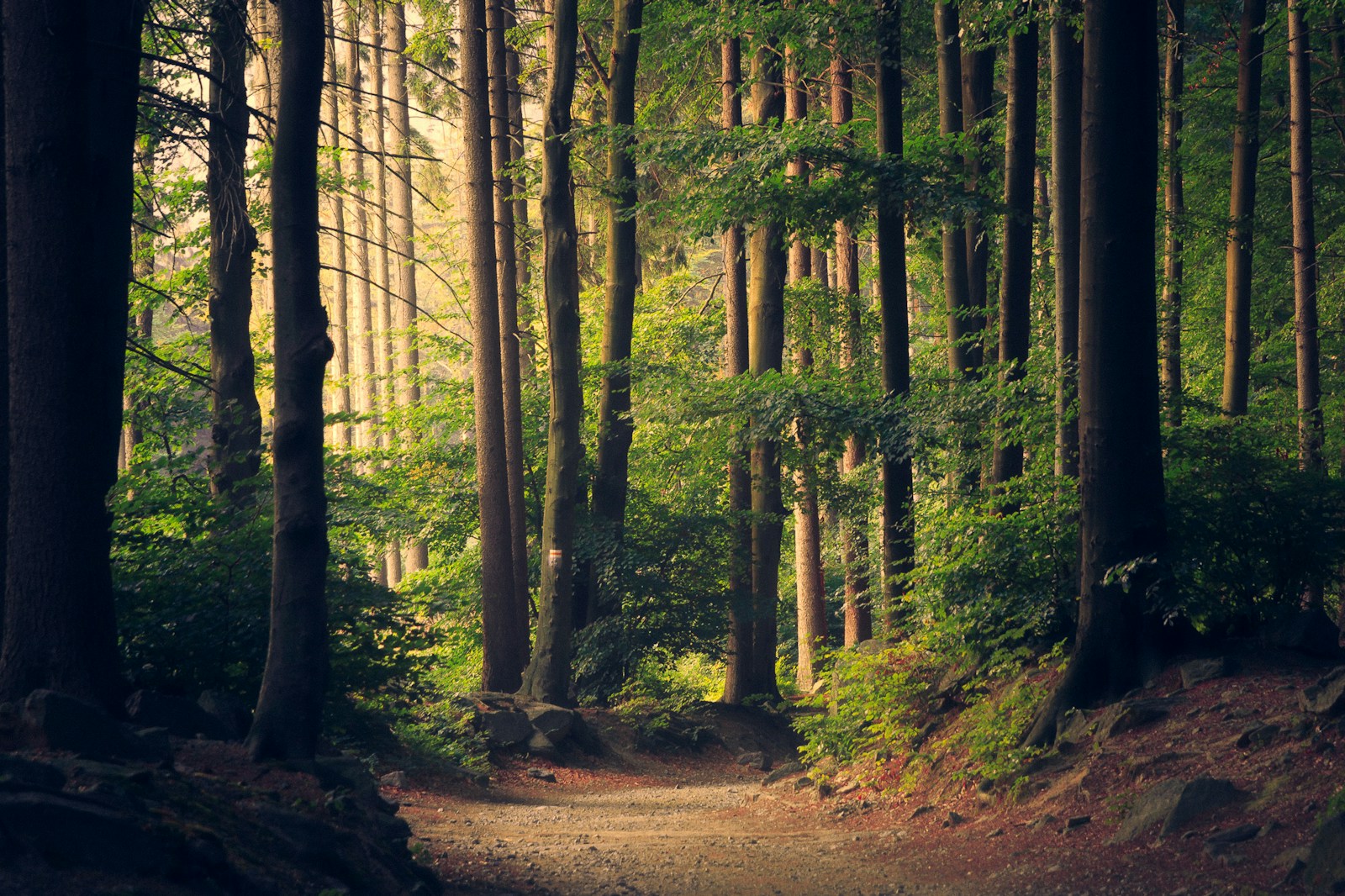
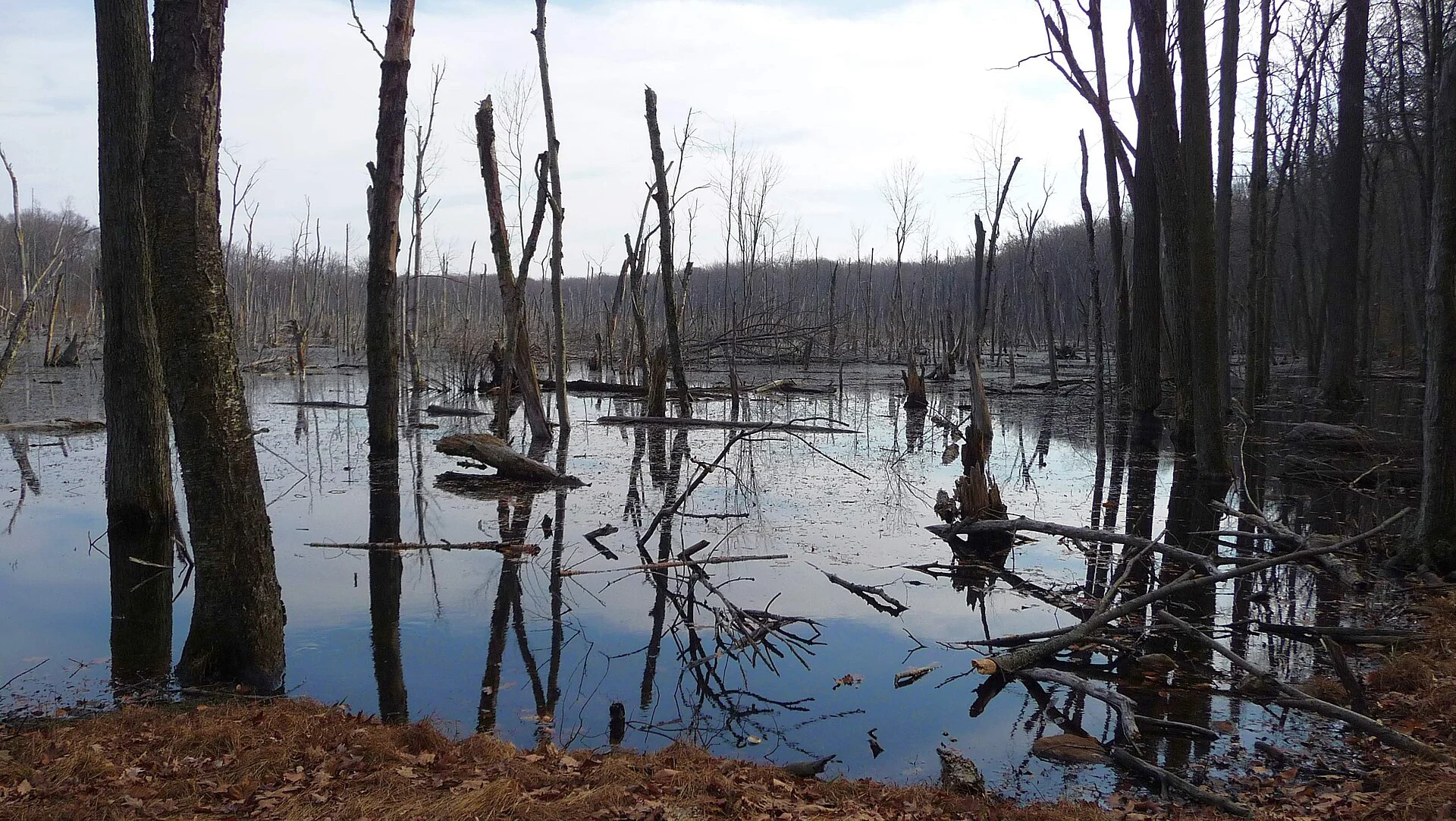
Farny State Park in Morris County protects over 5,000 acres of forested highlands in the New Jersey Highlands — a ridge system running from the Hudson River to the Delaware Water Gap. The park’s iron-rich rock supported a colonial-era mining industry — New Jersey was one of the leading iron producers during the Revolution. Farny’s forests have regenerated from centuries of logging and mining, now supporting black bears, bobcats, and timber rattlesnakes.
Things to Do
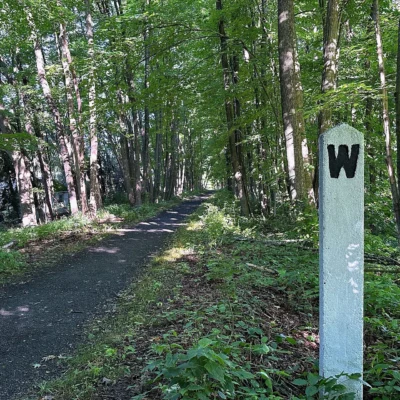
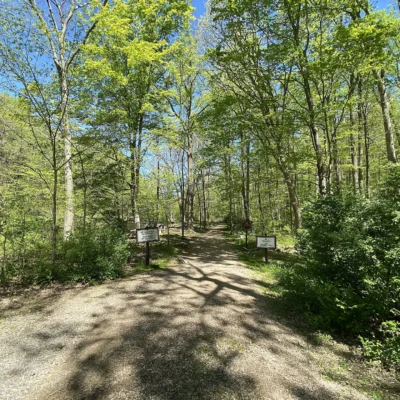
Hiking the Four Birds Trail (10 miles), mountain biking, fishing, hunting (seasonal), cross-country skiing, and exploring regenerated forest on former iron mining land.
Plan Your Visit
Farny provides 5,000+ acres of trail-based recreation — no camping or developed facilities. The Four Birds Trail (10 miles) connects to Split Rock Reservoir for swimming. The park sits in bear country — black bears are common in the NJ Highlands. Nearby Wharton and Allamuchy state parks extend the trail network. Morristown National Historical Park (Washington’s winter headquarters) is 15 miles east. Free admission; open dawn to dusk.
Nature & Wildlife
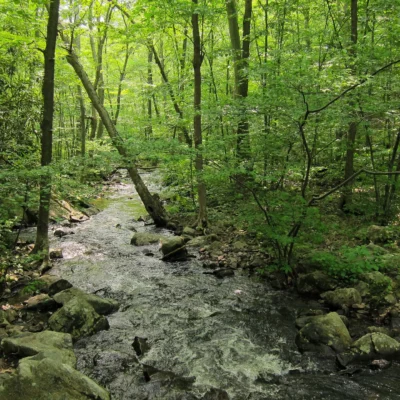
The New Jersey Highlands support one of the densest black bear populations in the eastern US — over 3,000 bears in the state. Farny’s forests harbor bobcats, timber rattlesnakes, and barred owls. The iron-rich streams support native brook trout. Old-growth hemlock groves survive in ravines too steep for 19th-century loggers. The Four Birds Trail is named for four threatened species: red-shouldered hawk, Cooper’s hawk, barred owl, and long-eared owl.
Insider Tips
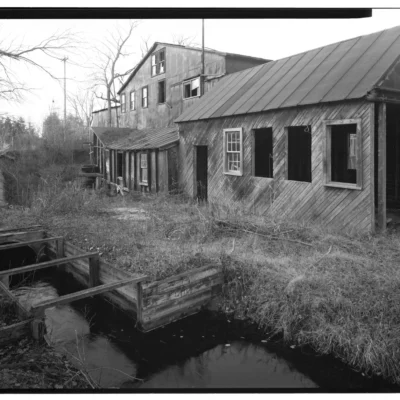
Iron heritage: Farny State Park preserves the legacy of NJ’s iron mining industry — the Highlands region produced iron from colonial times through the early 1900s. Pro tip: The park is named for Henry Farny — ruins of iron forges and mines remain in the forest. NJ Highlands: The Highlands region supplies drinking water to 70% of NJ’s population — its protection is critical for the state.
Best Time to Visit
Fall: Highland foliage. Spring: Wildflowers and waterfalls. Summer: Shaded forest hiking. Winter: Quiet forest walks.
Frequently Asked Questions
Did NJ have iron mines?
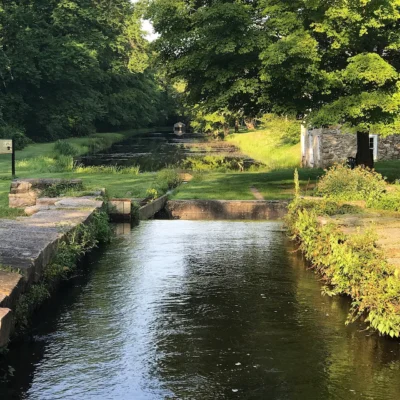
Yes — New Jersey’s Highlands region was one of the most important iron-producing areas in colonial and early America. Bog iron and magnetite deposits were smelted using charcoal from local forests. NJ iron forged cannons and cannonballs for the Revolution. The Morris Canal (1831) was built specifically to transport coal and iron. Mining declined as richer deposits were found in Pennsylvania and Minnesota. Ruins of forges and mine shafts dot the Highlands forests.
Keep exploring: The closest neighbors are Hopatcong State Park (a short drive away) and Norvin Green State Forest (a short drive away).

🐾 Dogs & Pets at Farny State Park
- Pets allowed? statewide rule
- Pets are allowed in NJ state parks and forests on leash but are prohibited from buildings, swimming beaches and non-designated campsites.
- Leash rule statewide rule
- Leash 6 feet or less, with the pet under physical control at all times.
- Beaches & swim areas statewide rule
- Pets are prohibited from swimming beaches and swimming waters statewide.
- Cabins & lodging statewide rule
- Pets are prohibited from cabins/lodging; the Pet Friendly Camping Program designates campsites at 13 areas (e.g. Round Valley all sites, Allaire 1-8, Bass River 1-85, Stokes 101-137) for up to two dogs or cats per permit.
- Pet fees statewide rule
- $5.00 per night additional charge for a pet-friendly campsite; no day-use pet fee.
- Statewide exceptions statewide rule
- Pet Friendly Camping requires current rabies vaccination with written proof at check-in; caged birds/reptiles only allowed inside RVs.
Are dogs allowed at Farny State Park?
Pets are allowed in NJ state parks and forests on leash but are prohibited from buildings, swimming beaches and non-designated campsites. Individual parks can post stricter rules — check signage on arrival.
Rules verified July 2026 via dep.nj.gov. More: New Jersey state parks guide · Dog rules in all 50 states compared
Park Location
Plan your gear for Farny State Park
From our editorial guides, matched to this park’s activities: