🌤 Weather at Fielding Lake State Recreation Site by season
| Spring | Summer | Fall | Winter |
|---|---|---|---|
| -1 to 52 °F | 38–65 °F | -1 to 49 °F | -10 to 18 °F |
Each range runs from the coldest monthly average low to the warmest monthly average high in that season (1991-2020 climate normals), measured at Paxson, 11 mi away, elevation 2,700 ft. Conditions at the park can differ from the station, especially where elevation differs — check a forecast before you go.

🎣 An Alpine Lake at Mile 200 — Where the Richardson Highway Reaches the Roof of Alaska — Fielding Lake State Recreation Site at Mile 200.4 Richardson Highway, Alaska, alpine lake at 2,840 feet, lake trout and grayling fishing, primitive camping, boat launch, Alaska Range views, Isabel Pass, tundra landscape, remote — Valdez-Cordova Census Area, AK
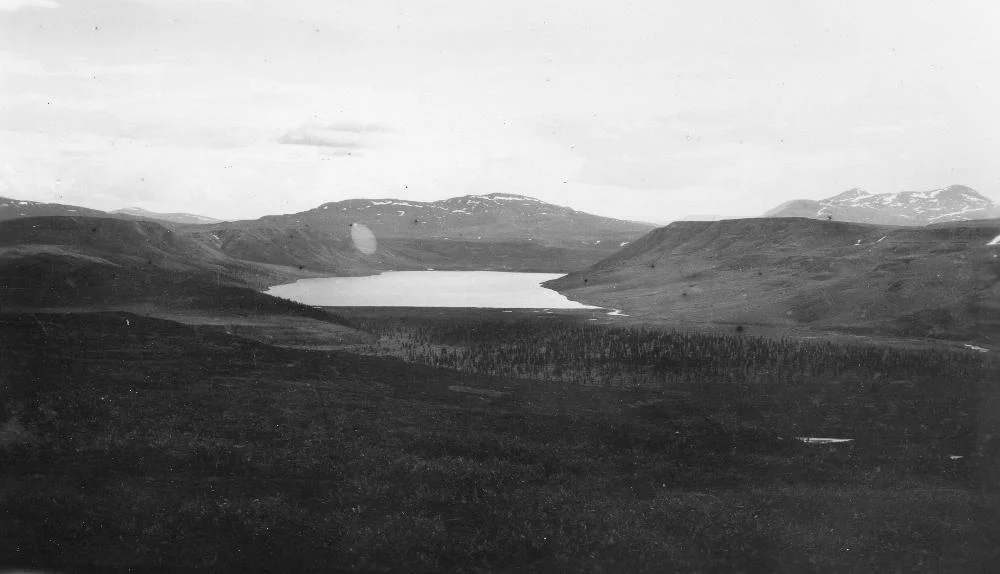
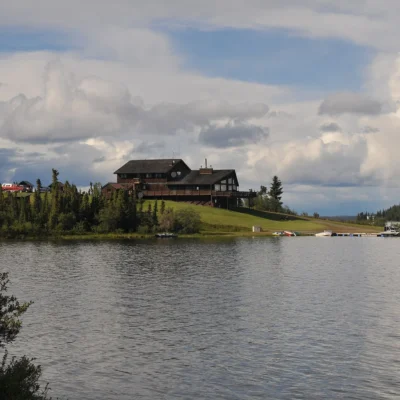
Mile 200 on the Richardson Highway. Elevation: 2,840 feet. Fielding Lake sits in a treeless alpine bowl below Isabel Pass — one of the highest highway passes in Alaska — surrounded by tundra, scree, and the Alaska Range dissolving into sky.
This is Alaska’s backcountry fishing delivered by pavement. A 2-mile gravel access road drops from the highway to a primitive campground on the lakeshore. The lake holds lake trout and arctic grayling. The water is cold and deep and the color of liquid metal. No services. No cell signal. No one counting how many fish you catch — just the wind, the tundra, and a 680-acre alpine lake that most Alaska travelers drive past without knowing it exists.
What to Do
| Activity | Details |
|---|---|
| Fishing | Lake trout (some exceeding 20 pounds) and arctic grayling — the two fish that define Alaska’s interior lakes. Troll for lakers with downriggers or cast for grayling along the shore and in the inlet streams. The grayling are elegant — spotted dorsal fins the size of sails. The lake trout fight deep and hard |
| Camping | Primitive campground on the lakeshore — gravel pads, fire rings, vault toilets. No water. No hookups. No garbage service (pack out everything). The campground is basic because the setting doesn’t need improvement. Your tent faces the lake. The tundra surrounds you. The sky is enormous |
| Boating | Primitive boat launch — suitable for small boats, canoes, and kayaks. The lake is 680 acres and exposed to alpine wind — check conditions before launching. A lightweight boat and a fishing rod are all you need. Paddle to the far end where the inlet stream enters — the grayling stack up there |
| Alpine Tundra | Walk the tundra above the lake — no trails needed, the ground is open and walkable. Alpine wildflowers in July. Blueberries in August. Ptarmigan year-round. The landscape is above treeline and feels like standing on the roof of the world |
| Northern Lights | Late August through April — the lake’s location at 63°N, high elevation, and zero light pollution make it exceptional for aurora viewing. On clear September nights, the northern lights reflect in the lake. Few places on a paved road offer this |
The Alpine Setting
| Feature | Details |
|---|---|
| Isabel Pass | The Richardson Highway crosses Isabel Pass (3,420 ft) just above Fielding Lake — one of the highest road passes in Alaska. The landscape transitions from boreal forest below to alpine tundra above. Fielding Lake sits in this transition zone |
| Alaska Range | The eastern Alaska Range flanks the highway — peaks rising to 13,000+ feet, glaciers visible on clear days. The volcanic Wrangell Mountains are to the south. The mountain scenery from the lake is dramatic and ever-changing with weather |
| Remote | The nearest services are in Paxson (20 miles south) — gas and a lodge. Glennallen is 70 miles south. Delta Junction is 70 miles north. Bring everything you need. This is Interior Alaska — self-sufficiency is not optional |
| Short Season | The access road is typically passable from mid-June through September. The lake freezes by October. Winter access is possible by snowmachine. Summer is brief, intense, and unforgettable |
Best Time to Visit
| Season | Best For |
|---|---|
| Summer (Jul–Aug) | ☀️ 20+ hours of daylight. Fishing prime. Wildflowers. Tundra alive. The lake at its most accessible |
| Fall (Sep) | 🍂 Tundra turning red and gold. Northern lights beginning. Lake trout aggressive. The most dramatic light |
| Spring (Jun) | Ice-out. Access road opening. Snow melting. The lake waking up. Fishing starting |
| Winter (Oct–May) | Lake frozen. Access by snowmachine only. Ice fishing possible. Extreme cold. Aurora spectacular |
Frequently Asked Questions
Can I drive a regular car to the lake?
The 2-mile access road is gravel and can be rough — high-clearance vehicles are recommended. During dry summer conditions, a careful driver in a regular car can make it, but 4WD or a truck is better. Check road conditions before committing.
Are there bears?
Yes — grizzly bears are present in the area. Store all food in bear-proof containers. Make noise while walking. Carry bear spray. The tundra offers long sightlines — use them. Bears are a fact of life at this elevation in Alaska.
Nearby state parks: If you have extra time, Donnelly Creek State Recreation Site is within about an hour’s drive, and Blair Lake State Recreation Site is elsewhere in the state.
Camping reservations: Book campsites and cabins for Alaska state parks online at alaskastateparks.reserveamerica.com.
🎣 680 Acres of Alpine Lake. Lake Trout in the Deep. Grayling in the Shallows. And Nobody Else.
Drive to Mile 200. Take the gravel road down to the tundra lake. Cast for grayling at the inlet. Troll for 20-pound lakers in the deep water. Camp on the lakeshore with the Alaska Range behind you and the northern lights above. This is Alaska’s backcountry — delivered by pavement.
Wildlife & Nature
Fielding Lake SRS — on Fielding Lake at 2,700 feet elevation in the Alaska Range foothills. The site’s alpine lake, tundra, and boreal forest support caribou, grizzly bears, and ptarmigan. Lake trout and grayling fill the lake. One of the most remote state recreation sites in Alaska.
Nearby Attractions
Isabel Pass — nearby on the Richardson Highway. Delta Junction — 50 miles north.

🐾 Dogs & Pets at Fielding Lake State Recreation Site
- Pets allowed? statewide rule
- Pets are welcome in Alaska State Parks and campgrounds when leashed and accompanied by the owner; unleashed dogs are allowed in the backcountry if under voice control.
- Leash rule statewide rule
- Leash not exceeding 9 feet required in developed facilities (campgrounds, picnic areas, trailheads, swim beaches, boat ramps).
- Beaches & swim areas statewide rule
- No statewide pet ban on beaches; swim beaches count as developed facilities where the 9-foot leash rule applies.
- Statewide exceptions statewide rule
- In the backcountry leashes are not required but pets must remain under voice control; in trapping areas (e.g. Chena River SRA) leashing is strongly advised for dog safety.
Are dogs allowed at Fielding Lake State Recreation Site?
Pets are welcome in Alaska State Parks and campgrounds when leashed and accompanied by the owner; unleashed dogs are allowed in the backcountry if under voice control. Individual parks can post stricter rules — check signage on arrival.
Rules verified July 2026 via dnr.alaska.gov. More: Alaska state parks guide · Dog rules in all 50 states compared
Park Location
Plan your gear for Fielding Lake State Recreation Site
From our editorial guides, matched to this park’s activities:
Top Tours & Activities in Alaska
 from $287
 from $199
 from $500