
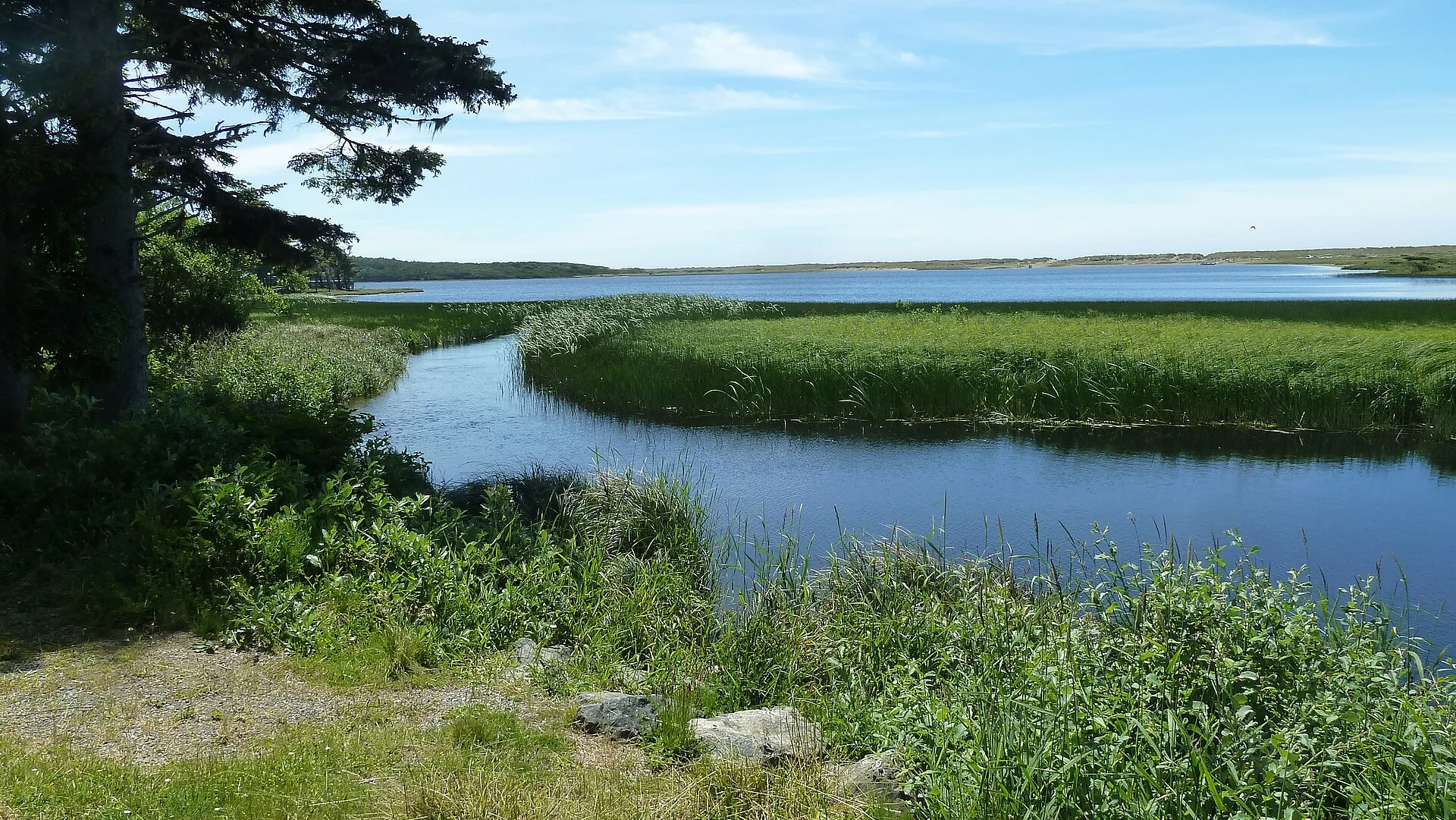
🌤 Weather at Floras Lake State Natural Area by season
| Spring | Summer | Fall | Winter |
|---|---|---|---|
| 40–62 °F | 49–70 °F | 42–69 °F | 39–55 °F |
Each range runs from the coldest monthly average low to the warmest monthly average high in that season (1991-2020 climate normals), measured at Langlois #2, 3 mi away, elevation 90 ft. Conditions at the park can differ from the station, especially where elevation differs — check a forecast before you go.

Floras Lake State Natural Area is a public state park in Oregon in Curry County. The park offers a peaceful retreat into nature for visitors of all ages.
Location & Getting There
Floras Lake State Natural Area is located Oregon. The park’s coordinates are 42.8936068, -124.5043014.
Explore More Oregon State Parks
Floras Lake State Natural Area is one of many outstanding state parks in Oregon. Discover more parks in our Best State Parks in Oregon guide, or use our Park Finder to search by activity, location, or features.
Wildlife & Nature
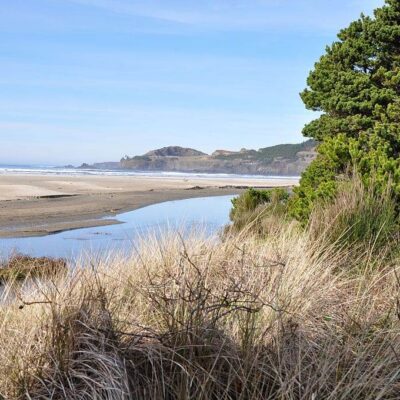
Floras Lake State Natural Area protects a rare coastal freshwater lake separated from the Pacific by a narrow sand barrier — one of the few remaining undeveloped barrier lakes on the Oregon coast. The lake’s consistent wind conditions make it one of the premier kiteboarding and windsurfing destinations on the West Coast — professionals train here regularly. The lake’s shallow, warm water contrasts with the cold, rough Pacific just over the dunes. The surrounding coastal bluffs support wildflowers including coast paintbrush, sea thrift, and yellow sand verbena. Western snowy plovers — ESA-listed as threatened — nest on the sandy beaches. Northern harriers hunt over the dune meadows. The area’s isolation supports diverse shorebird populations during migration.
Nearby Attractions
Cape Blanco State Park — Oregon’s westernmost point — has the state’s oldest lighthouse (1870) and Hughes House (1898). Port Orford — America’s westernmost incorporated city — features the unique dolly dock. Bandon and its spectacular sea stacks are 20 minutes south. New River Area of Critical Environmental Concern (BLM) provides birding. Langlois is a quiet farming community. Blacklock Point offers a dramatic headland hike accessible only on foot.
More parks nearby: Cape Blanco State Park is a short drive away, while Port Orford Heads State Park lies a short drive away.

🐾 Dogs & Pets at Floras Lake State Natural Area
- Pets allowed? statewide rule
- Pets are welcome in Oregon state parks and on most ocean beaches but must be leashed except in designated off-leash areas.
- Leash rule statewide rule
- Leash no longer than 6 feet required in developed park areas
- Beaches & swim areas statewide rule
- Pets are allowed on most ocean beaches under direct control; western snowy plover nesting areas restrict pets March 15 - Sept. 15; leash required on the beach at some parks (e.g. Cape Lookout)
- Cabins & lodging statewide rule
- Designated pet-friendly yurts and cabins at many parks (South Beach has 14 pet-friendly yurts, Tugman 8); maximum two dogs and/or cats; $10 per night pet fee
- Pet fees statewide rule
- $10 per night for pet-friendly yurts/cabins; no pet fee for day use or campsites
- Statewide exceptions statewide rule
- Pets prohibited at Dabney SRA, the Trail of Ten Falls at Silver Falls, and Shore Acres; off-leash areas at Stub Stewart, Willamette Mission, Elijah Bristow, Cottonwood Canyon and LaPine
Are dogs allowed at Floras Lake State Natural Area?
Pets are welcome in Oregon state parks and on most ocean beaches but must be leashed except in designated off-leash areas. Individual parks can post stricter rules — check signage on arrival.
Rules verified July 2026 via stateparks.oregon.gov. More: Oregon state parks guide · Dog rules in all 50 states compared
Park Location
Plan your gear for Floras Lake State Natural Area
From our editorial guides, matched to this park’s activities:
Top Tours & Activities in Oregon
 from $399
 from $2,358
 from $128