
🌤 Weather at Fort Fred Steele by season
| Spring | Summer | Fall | Winter |
|---|---|---|---|
| 22–64 °F | 43–85 °F | 21–72 °F | 13–34 °F |
Each range runs from the coldest monthly average low to the warmest monthly average high in that season (1991-2020 climate normals), measured at Rawlins Municipal Airport, 11 mi away, elevation 6,736 ft. Conditions at the park can differ from the station, especially where elevation differs — check a forecast before you go.

🏆 Transcontinental Guardian — Military post built in 1868 to protect the transcontinental railroad — guarding the Union Pacific as it crossed Wyoming
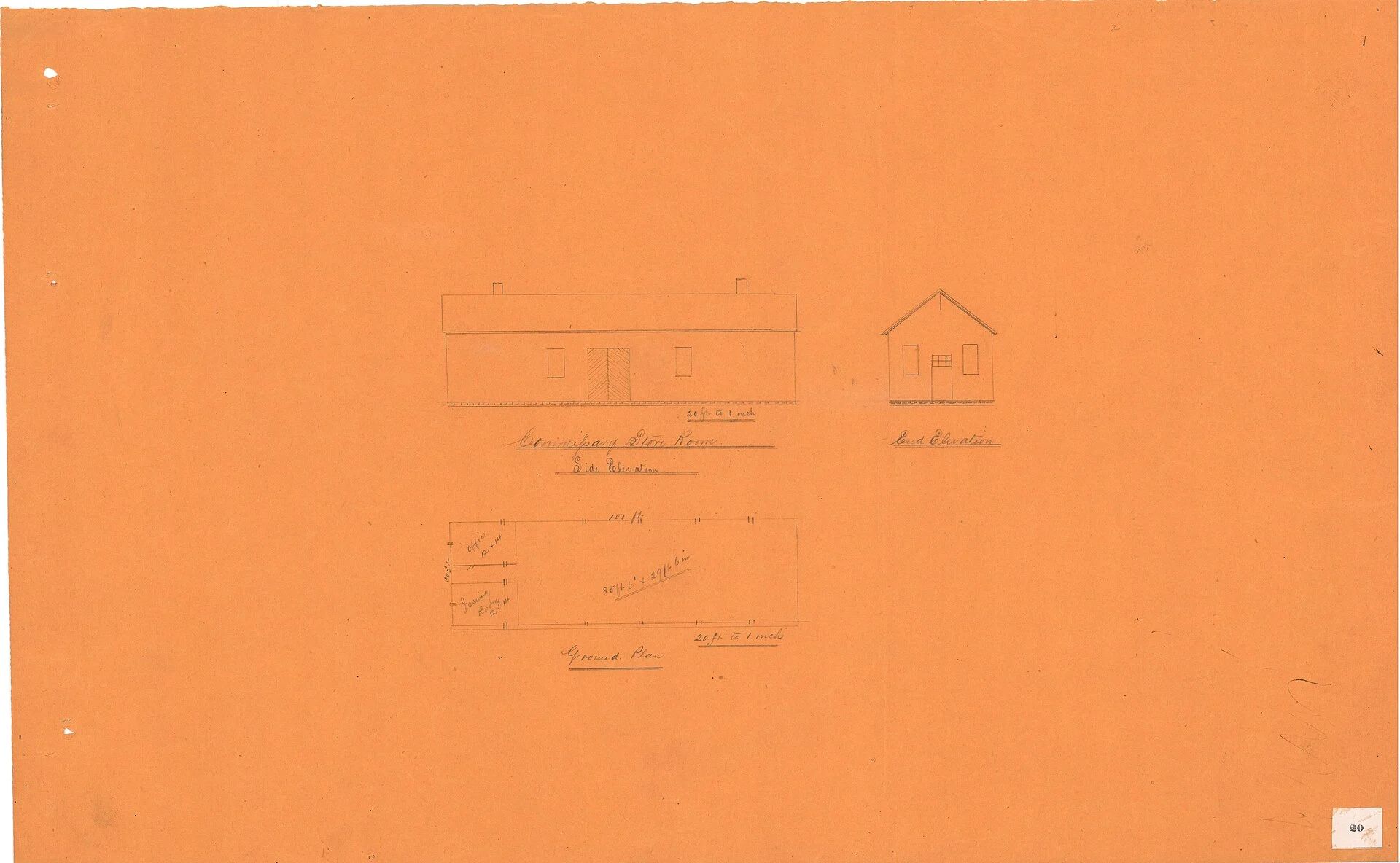
Fort Fred Steele was a military post built in 1868 along the North Platte River to protect workers building the transcontinental railroad — the greatest engineering project of the 19th century! The Union Pacific Railroad crossed Wyoming in 1868–69, and forts like Fred Steele protected construction crews from potential attacks. The transcontinental railroad (completed May 10, 1869 at Promontory Summit, Utah) reduced the cross-country journey from 6 months to 7 days! Fort Fred Steele was named for Major General Frederick Steele, a Civil War veteran.
Visitor Information
| Detail | Information |
|---|---|
| Location | Carbon County, WY |
| Entry Fee | Free |
| Railroad | Transcontinental 1868 — 6mo to 7 days! |
| Completed | May 10, 1869 at Promontory! |
About Fort Fred Steele
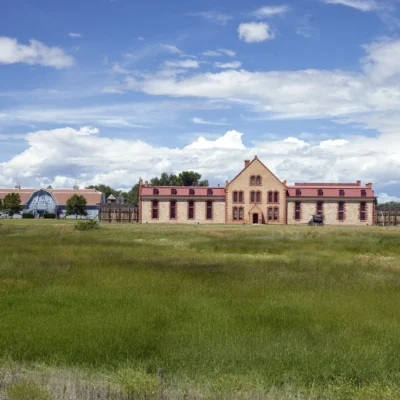
Fort Fred Steele in Carbon County was an 1868 military post built to protect Union Pacific Railroad workers from Native American raids during construction of the transcontinental railroad. The fort sat on the North Platte River where the railroad crossed — a strategically vital point. After the railroad was completed, the fort helped suppress the “Tie Hack” timber workers’ conflicts. Ruins of stone and adobe buildings remain.
Things to Do
Walking among the fort ruins, viewing the North Platte River crossing, exploring the Union Pacific Railroad heritage, picnicking, fishing, and photographing the atmospheric frontier military ruins.
Insider Tips
Railroad fort: Fort Fred Steele (1868) protected the Union Pacific Railroad as it crossed Wyoming — the transcontinental railroad transformed the West. Pro tip: The railroad crossed Wyoming in 1868 — towns like Rawlins, Rock Springs, and Green River sprang up along the tracks. Carbon County: Named for coal deposits that fueled the railroad — mining employed immigrants from across Europe.
Best Time to Visit
Summer: Best access and interpretation. Fall: Quiet site — autumn colors. Year-round: Ruins accessible. Spring: Wildflowers on the prairie.
Frequently Asked Questions
How did the railroad change Wyoming?
The Union Pacific Railroad crossed Wyoming in 1868 — transforming empty prairie into a corridor of towns in months. The railroad brought settlers, supplies, and connection to the outside world. But it also brought conflict — the tracks crossed Native hunting grounds, and railroad-era towns were notoriously lawless. Wyoming’s modern geography (cities along I-80) still follows the railroad’s 1868 route.
Keep exploring: The closest neighbors are Seminoe State Park (within about an hour’s drive) and Independence Rock (elsewhere in the state).
Wildlife & Nature
Fort Fred Steele — an 1868 frontier post established to protect the transcontinental railroad. The fort’s North Platte River, prairie, and ruins support pronghorn, mule deer, and raptors.
Nearby Attractions
Rawlins — 15 miles east. I-80 — nearby. North Platte River — at the site.

🐾 Dogs & Pets at Fort Fred Steele
- Pets allowed? statewide rule
- Pets are welcome in Wyoming state parks, historic sites and recreation areas, but must be in a vehicle or on a leash whenever outside a camping unit.
- Leash rule statewide rule
- Leash no longer than 10 feet, physically controlled at all times (statewide rule)
- Beaches & swim areas statewide rule
- Pets are prohibited on designated beach areas statewide
- Cabins & lodging statewide rule
- Pets are prohibited in public buildings, eating places and food stores; no statewide pet-lodging policy published
- Statewide exceptions statewide rule
- Guide dogs are exempt; hunting dogs allowed where hunting is permitted; pets may not be left unattended longer than one hour; pets are prohibited in the reservoirs at Curt Gowdy State Park
Are dogs allowed at Fort Fred Steele?
Pets are welcome in Wyoming state parks, historic sites and recreation areas, but must be in a vehicle or on a leash whenever outside a camping unit. Individual parks can post stricter rules — check signage on arrival.
Rules verified July 2026 via wyoparks.wyo.gov. More: Wyoming state parks guide · Dog rules in all 50 states compared
Park Location
Plan your gear for Fort Fred Steele
From our editorial guides, matched to this park’s activities:
Top Tours & Activities Near Steamboat Springs
 from $135
 from $35
 from $250