Fort Wilkins Historic State Park
Overview: An 1844 Military Fort at the End of the Road
At the very tip of the Keweenaw Peninsula—the northernmost point of Michigan’s mainland—Fort Wilkins Historic State Park preserves one of the best-surviving examples of a pre-Civil War military outpost in the United States. Established in 1844 by the U.S. Army during the Upper Peninsula’s copper boom, the fort sits on a narrow strip of land between Copper Harbor on Lake Superior and the northern shore of Lake Fanny Hooe, with 19 preserved buildings (many original) surrounded by the wild, remote landscape of the Keweenaw’s northernmost reach.
The fort’s military history was brief—occupied from 1844 to 1846, abandoned during the Mexican-American War, briefly reoccupied after the Civil War (1867), and permanently abandoned as a military post in 1870. But its survival is remarkable: while most frontier forts have been reduced to foundations or reconstructed from scratch, Fort Wilkins’ original wooden structures have been maintained and restored to create an authentic physical connection to the 1840s copper frontier. The site became a Michigan state park in 1923 and today serves as a Cooperating Site of the Keweenaw National Historical Park.
The Fort: 19 Preserved Buildings
The fort complex includes barracks, officers’ quarters, a hospital, a powder magazine, a bakery, and various support structures arranged around a parade ground. During summer months, costumed interpreters demonstrate 1840s military life—cooking, blacksmithing, drilling, and daily garrison routines—bringing the frontier context to life.
- Officers’ Quarters: Restored to period furnishings showing the relatively comfortable life of the commissioned officers
- Enlisted Barracks: The stark communal quarters of the common soldiers, illustrating the vast gap between officer and enlisted life
- Hospital: Period medical equipment and exhibits on frontier-era military medicine
- Powder Magazine: One of the best-preserved original structures
Copper Harbor Lighthouse
The park includes access to the Copper Harbor Lighthouse, built in 1866 to guide vessels navigating the Keweenaw’s treacherous Lake Superior shoreline. The lighthouse—one of the most photographed structures at the tip of the Keweenaw—is accessible by boat tour or hiking trail and provides commanding views of Copper Harbor and the open lake.
Lake Fanny Hooe
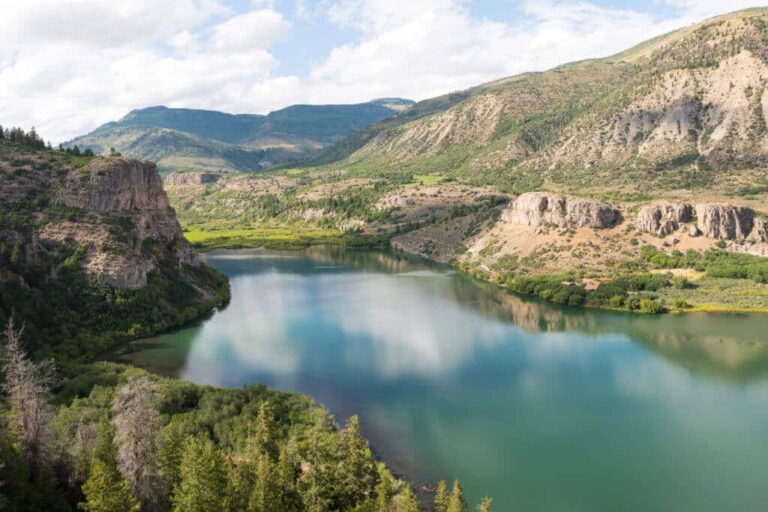
Named with characteristic frontier humor (the name is said to derive from “Lake Fanny Hooe of the Fort”), this inland lake borders the fort to the south and provides calm-water fishing, kayaking, and canoeing in a sheltered setting protected from Lake Superior’s weather.
Camping
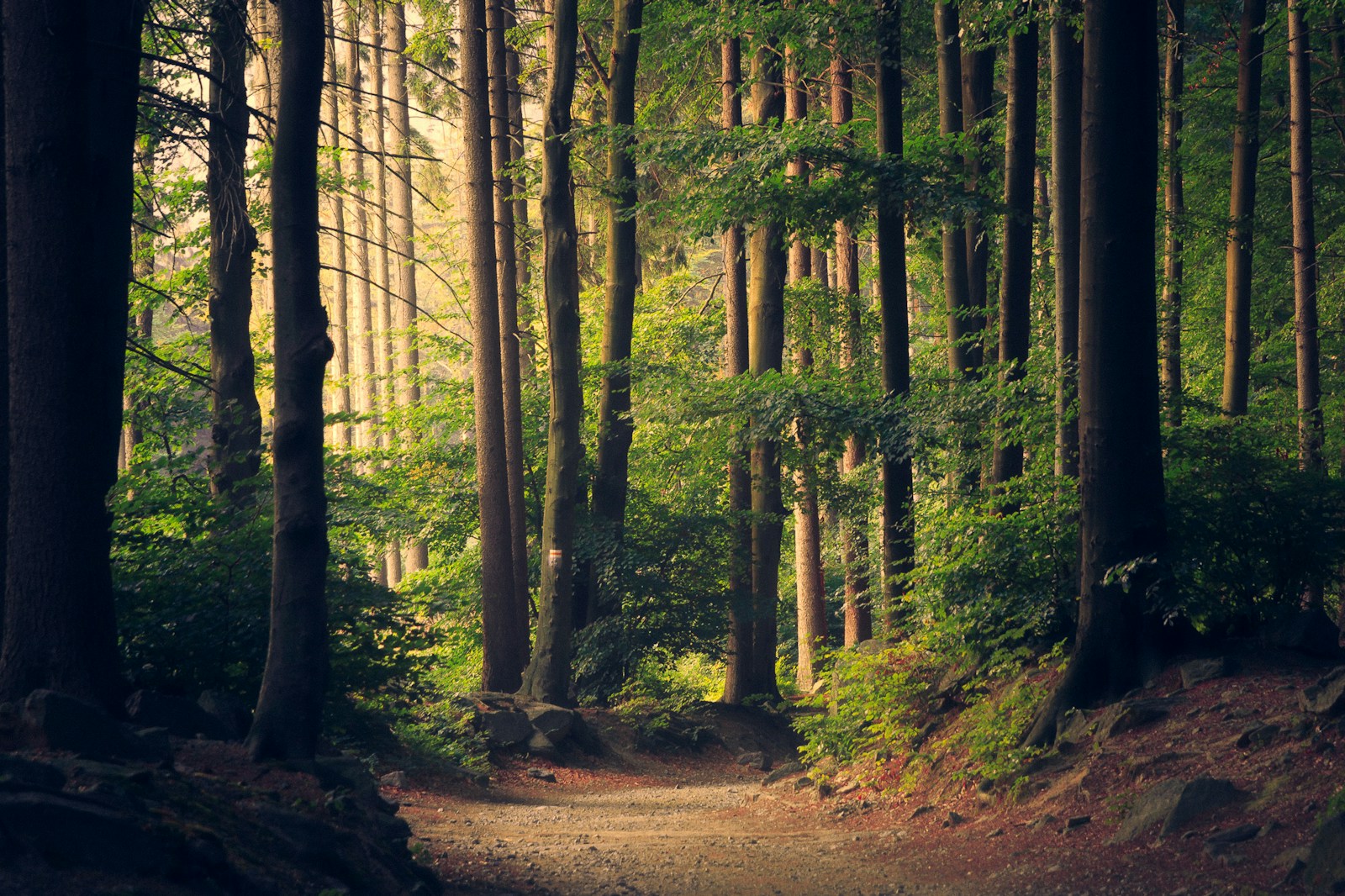
The park’s modern campground sits in a forested setting between the fort complex and the lake, offering electric sites with access to modern facilities. The campground’s location at the very tip of the Keweenaw Peninsula—the end of US-41—makes it the most northerly campground in the Michigan state park system.
Copper Harbor and the Keweenaw
- Copper Harbor: The tiny village provides restaurants, galleries, shops, and mountain bike trails ranked among the best in the Midwest
- Brockway Mountain Drive: The highest above-sea-level road between the Rockies and the Alleghenies, offering panoramic views of Superior and the Keweenaw forest
- Keweenaw National Historical Park: The broader park system interpreting the peninsula’s copper mining heritage
- Lake Superior Shoreline: Dramatic rocky coastline, agate hunting, and thimbleberry picking
Seasonal Guide
Spring (May–June)
Park and campground open. Waterfall season. Lake Superior still very cold. Wildflowers.
Summer (July–August)
Peak season. Fort interpreters in full operation. Lighthouse tours. Mountain biking. Thimbleberries. Long summer days at 47° latitude.
Autumn (September–October)
Keweenaw fall color—among the earliest and most dramatic in Michigan. Storm watching on Superior.
Winter (November–April)
Fort closed for tours. Massive Keweenaw snowfall. Snowshoeing, cross-country skiing. The isolated, snow-buried tip of the peninsula is hauntingly beautiful.
Frequently Asked Questions
How old is the fort? Built in 1844—pre-Civil War. Many of the 19 buildings are original structures, making it one of the best-surviving frontier military posts in America.
What is Lake Fanny Hooe? The inland lake bordering the fort to the south, offering calm-water recreation protected from Lake Superior.
Is this the end of US-41? Yes. Copper Harbor is the northern terminus of US-41, which stretches from the tip of the Keweenaw all the way to Miami, Florida—one of the longest highways in the eastern United States.