
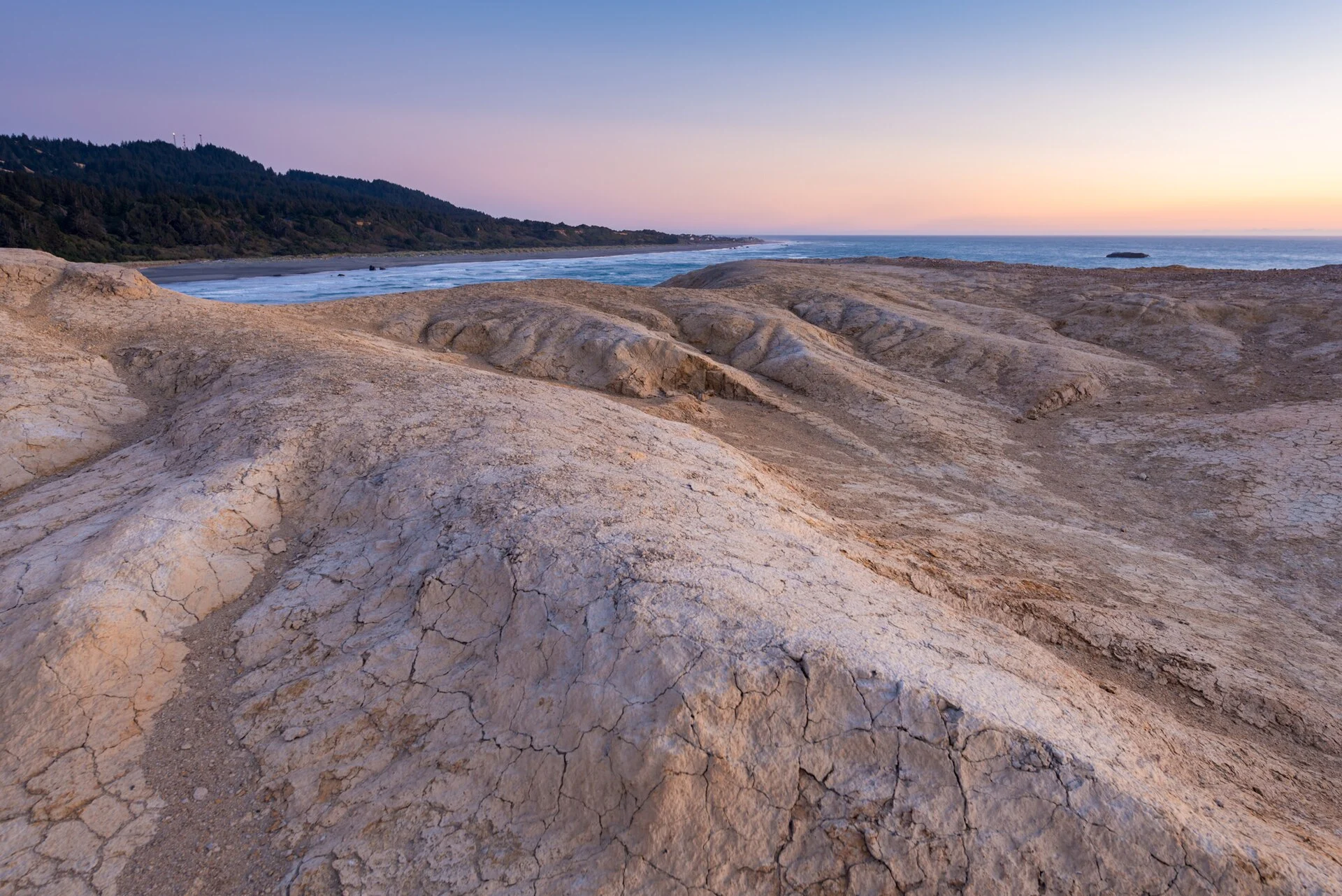
🌤 Weather at Otter Point State Recreation Site by season
| Spring | Summer | Fall | Winter |
|---|---|---|---|
| 43–62 °F | 50–69 °F | 45–69 °F | 42–55 °F |
Each range runs from the coldest monthly average low to the warmest monthly average high in that season (1991-2020 climate normals), measured at Gold Beach Rs, 2 mi away, elevation 50 ft. Conditions at the park can differ from the station, especially where elevation differs — check a forecast before you go.

🏆 Rocky headland on the southern Oregon coast — tide pools, sea stacks, and excellent whale watching. Sea otters were historically abundant here before 19th-century fur trade.
Visitor Information
| Detail | Information |
|---|---|
| Location | Curry County, Oregon |
| Entry Fee | Free (Oregon Coast) / Day-Use Permit |
About Otter Point
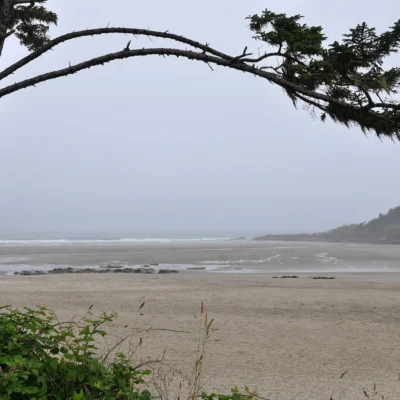
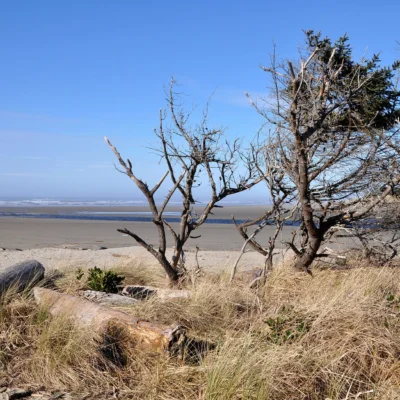
Otter Point State Recreation Site is a rugged rocky headland between Gold Beach and Brookings on the southern Oregon coast. The point juts dramatically into the Pacific, with sea stacks, tide pools, and pounding surf creating a wild coastal landscape. The name comes from the sea otters that once inhabited these waters — they were hunted to local extinction in the 1900s but have been slowly returning to Oregon’s coast.
Otter Point State Recreation Site in Curry County on Oregon’s southern coast provides access to a rocky headland and pocket beaches. Sea otters once thrived along the Oregon coast before fur hunting eliminated them — conservation efforts are exploring reintroduction. The headland provides excellent whale watching and tidepooling.
Things to Do
Tidepooling among the rocky outcrops reveals sea anemones, starfish, and hermit crabs. The elevated viewpoint offers excellent whale watching during migration seasons. Storm watching in winter is dramatic. A short trail leads to the point — bring sturdy shoes for the rocky terrain. Photographers prize the sunset views with sea stacks silhouetted against the sky.
Tidepooling on the rocky shore, whale watching (gray whales migrate December-May), beachcombing, photography of the rugged southern coast, and picnicking.
Getting There
Located along Highway 101 approximately 4 miles north of Gold Beach in Curry County. Free roadside pullout with a short trail to the point.
Insider Tips
Southern coast gem: Otter Point near Gold Beach offers rocky headland views of the wild southern Oregon coast. Pro tip: The point is excellent for sea stack photography — the offshore rocks create dramatic compositions at sunset. Whale trail: The Oregon Coast Whale Trail includes viewing sites along the entire coast — download the free app for guided whale watching.
Best Time to Visit
March-June: Northbound whale migration with calves. Summer: Clearest weather and calmest seas. Fall: Fewer visitors, excellent light. Winter: Storm watching and southbound migration.
Frequently Asked Questions
What are sea stacks?
Erosion-resistant rock pillars standing in the ocean — remnants of former coastline. Oregon’s coast has hundreds of sea stacks, many protected as part of the Oregon Islands National Wildlife Refuge. They support nesting seabirds, sea lions, and seals.
Wildlife & Nature
Otter Point provides dramatic rocky headland views along Oregon’s wild southern coast — where the Klamath Mountains meet the Pacific. The headland’s exposed basalt cliffs support tide-dependent marine communities. Harbor seals haul out on the offshore rocks — pups are born in spring and are frequently seen nursing on exposed reefs at low tide. Black oystercatchers — striking shorebirds with bright orange bills and pink legs — nest on the rocky shore. The surrounding coastal scrub of salal, evergreen huckleberry, and Sitka spruce supports rufous hummingbirds — the world’s most aggressive hummingbird species relative to size, they attack birds many times their own weight. The southern Oregon coast’s mild climate produces the earliest spring wildflower displays in the state.
Nearby Attractions
Gold Beach is the departure point for Rogue River jet boat excursions — running 32-104 miles up the Wild & Scenic Rogue. Samuel H. Boardman State Scenic Corridor stretches 12 miles along Oregon’s most dramatic coastline. Cape Sebastian rises 700 feet above the ocean with panoramic views. Pistol River State Scenic Viewpoint hosts world-class windsurfing. Jerry’s Rogue Jets has operated since 1958. Curry County Historical Museum covers pioneer and Native American history.
Make it a road trip: Pair a visit with Cape Sebastian State Scenic Corridor (a short drive away) or Pistol River State Scenic Viewpoint (a short drive away).

🐾 Dogs & Pets at Otter Point State Recreation Site
- Pets allowed? statewide rule
- Pets are welcome in Oregon state parks and on most ocean beaches but must be leashed except in designated off-leash areas.
- Leash rule statewide rule
- Leash no longer than 6 feet required in developed park areas
- Beaches & swim areas statewide rule
- Pets are allowed on most ocean beaches under direct control; western snowy plover nesting areas restrict pets March 15 - Sept. 15; leash required on the beach at some parks (e.g. Cape Lookout)
- Cabins & lodging statewide rule
- Designated pet-friendly yurts and cabins at many parks (South Beach has 14 pet-friendly yurts, Tugman 8); maximum two dogs and/or cats; $10 per night pet fee
- Pet fees statewide rule
- $10 per night for pet-friendly yurts/cabins; no pet fee for day use or campsites
- Statewide exceptions statewide rule
- Pets prohibited at Dabney SRA, the Trail of Ten Falls at Silver Falls, and Shore Acres; off-leash areas at Stub Stewart, Willamette Mission, Elijah Bristow, Cottonwood Canyon and LaPine
Are dogs allowed at Otter Point State Recreation Site?
Pets are welcome in Oregon state parks and on most ocean beaches but must be leashed except in designated off-leash areas. Individual parks can post stricter rules — check signage on arrival.
Rules verified July 2026 via stateparks.oregon.gov. More: Oregon state parks guide · Dog rules in all 50 states compared
Park Location
Plan your gear for Otter Point State Recreation Site
From our editorial guides, matched to this park’s activities:

Top Tours & Activities Near Ashland
 from $50
 from $149
 from $2,600