Great Heath
🌤 Weather at Great Heath by season
| Spring | Summer | Fall | Winter |
|---|---|---|---|
| 22–61 °F | 51–76 °F | 30–69 °F | 9–35 °F |
Each range runs from the coldest monthly average low to the warmest monthly average high in that season (1991-2020 climate normals), measured at Jonesboro, 7 mi away, elevation 194 ft. Conditions at the park can differ from the station, especially where elevation differs — check a forecast before you go.

🏆 Maine’s LARGEST Peat Bog — 4,000-acre raised peatland — one of the most intact coastal plateau bogs in North America
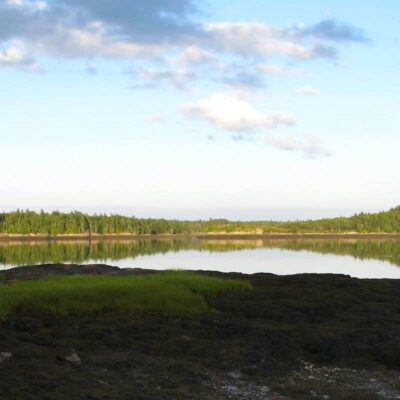
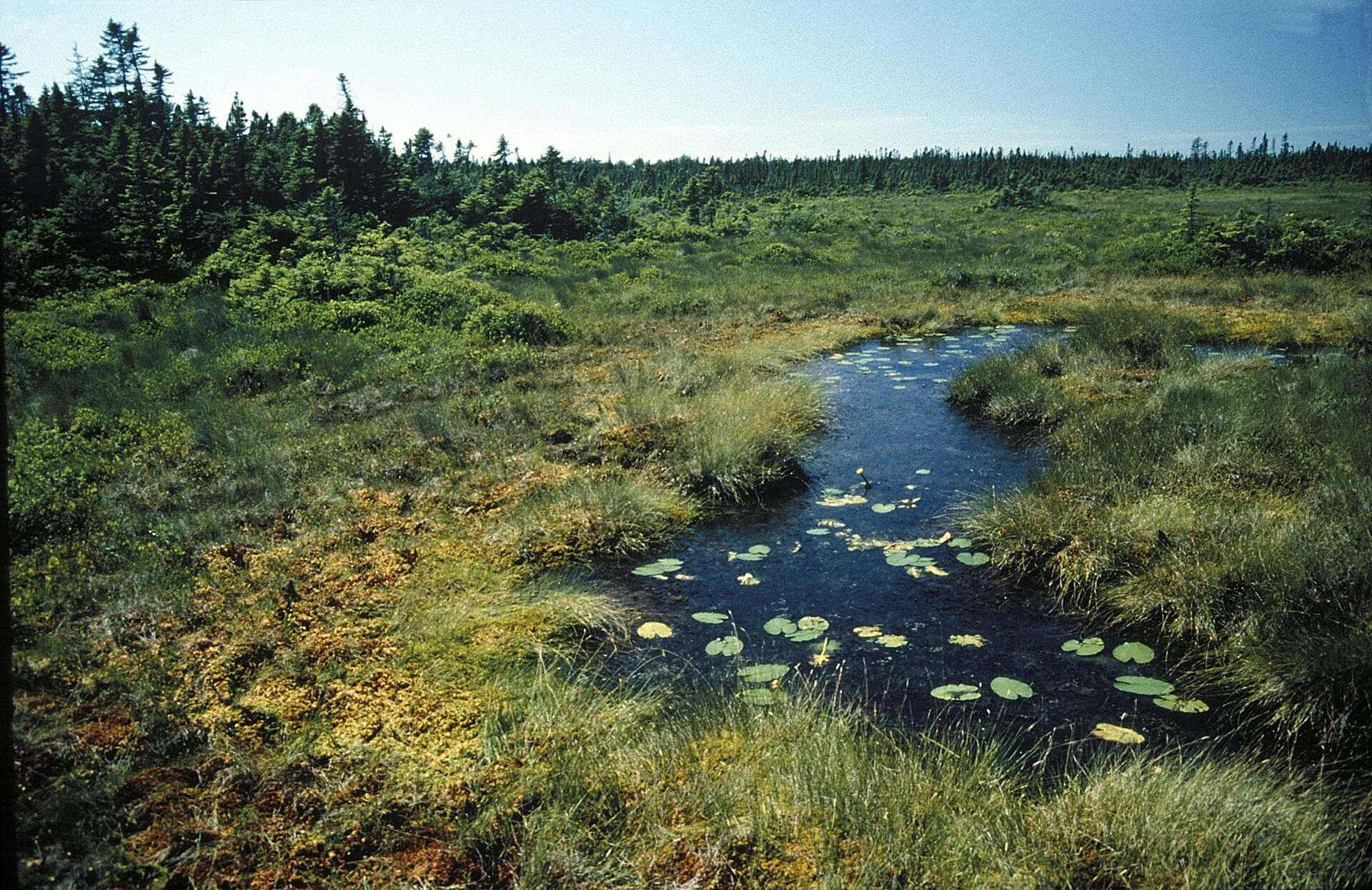
Great Heath is Maine’s largest peat bog — a 4,000-acre raised peatland (plateau bog) in Columbia Falls. This extraordinary ecosystem has been growing for 10,000 years since the last glaciers retreated, accumulating up to 15 feet of peat. The bog’s surface is a spongy carpet of sphagnum moss dotted with carnivorous sundew and pitcher plants. Great Heath is one of the most intact coastal plateau bogs in North America — an ecosystem type that has been destroyed across most of its former range by peat harvesting and cranberry farming.
Visitor Information
| Detail | Information |
|---|---|
| Location | Columbia Falls, Washington County, ME |
| Size | 4,000 acres! |
| Entry Fee | Free |
| Age | 10,000 years of peat growth! |
| Plants | Carnivorous sundew + pitcher plants! |
Frequently Asked Questions
Can I walk on the bog?
Yes, but carefully! The surface is spongy sphagnum moss that bounces underfoot. Wear waterproof boots — you’ll sink ankle-deep in many places. The experience of walking on a living 10,000-year-old peatland is unforgettable.
About Great Heath
Great Heath in Washington County protects one of the largest raised peat bogs in Maine — over 4,000 acres of open bog and heath. Raised bogs are globally rare ecosystems where the peat surface rises above the surrounding terrain, creating a unique spongy landscape of sphagnum moss, carnivorous plants, and dwarf shrubs. The heath has been accumulating peat for over 10,000 years since the last Ice Age.
Things to Do
Walking carefully on the spongy bog surface, viewing carnivorous sundew and pitcher plants, birdwatching (palm warblers and Lincoln’s sparrows nest in the heath), photography of the unique landscape, and blueberry picking in the surrounding barrens.
More parks nearby: Roques Bluff State Park is a short drive away, while Roque Bluffs State Park lies a short drive away.
Wildlife & Nature
Great Heath — a 4,000-acre peatland — the largest heath in Maine and one of the largest coastal raised bogs in North America. The bog’s sphagnum moss, pitcher plants, sundews, and orchids create a subarctic landscape. Palm warblers, Lincoln’s sparrows, and ribbon snakes inhabit the heath.
Nearby Attractions
Columbia Falls — adjacent. Washington County — surrounding — the least-populated county in Maine.

🐾 Dogs & Pets at Great Heath
- Pets allowed? statewide rule
- Pets are allowed at most Maine state parks year-round, including trails, but must be leashed, under the handler's physical control and never left unattended.
- Leash rule statewide rule
- Leash not exceeding 4 feet, under the physical control of the handler
- Beaches & swim areas statewide rule
- Pets are not allowed on state park beaches April 1 through September 30; leashed pets are welcome on beaches October 1 through March 31
- Statewide exceptions statewide rule
- No pets allowed at Sebago Lake State Park campground; park staff may assign pet owners to less congested camping areas
Are dogs allowed at Great Heath?
Pets are allowed at most Maine state parks year-round, including trails, but must be leashed, under the handler's physical control and never left unattended. Individual parks can post stricter rules — check signage on arrival.
Rules verified July 2026 via maine.gov. More: Maine state parks guide · Dog rules in all 50 states compared