
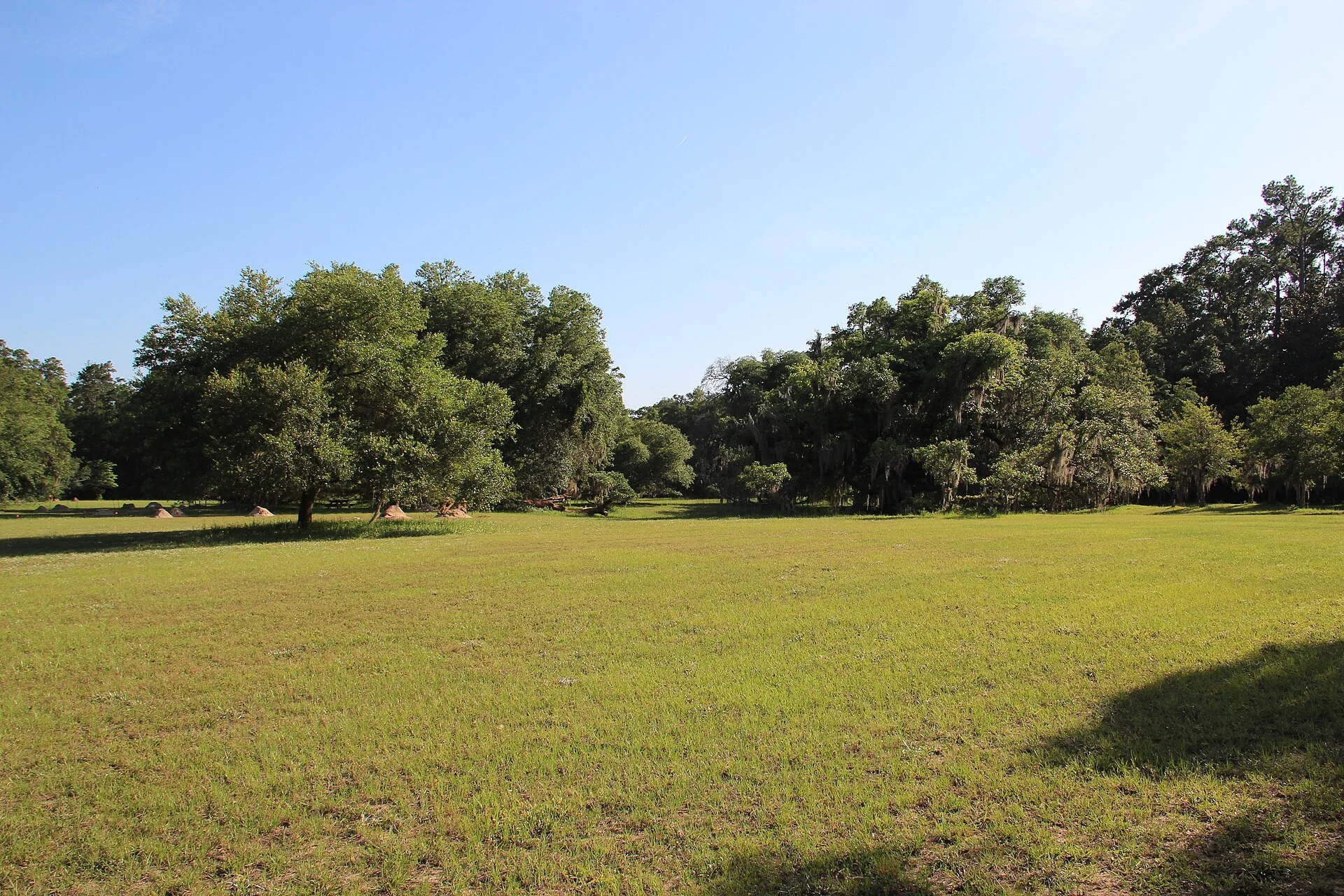

🏆🏆🏆🏆🏆 South-carolina — 322-acre rice plantation with an 18th-century mansion — George Washington visited in 1791 during his Southern Tour and convinced the owner to save the massive live oak that still stands today (the “Washington Oak”). The plantation produced rice with enslaved African labor for over 100 years.
Visitor Information
| Detail | Info |
|---|---|
| Location | South Carolina |
About Hampton Plantation
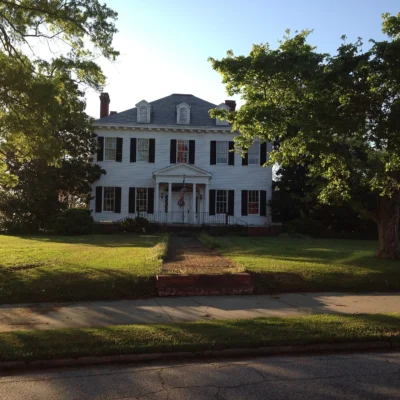
Hampton Plantation State Historic Site in Charleston County preserves a 1750 rice plantation on the Santee River — one of the finest surviving examples of Lowcountry plantation architecture. The mansion’s Adam-style portico was spared by British troops during the Revolution. George Washington breakfasted here in 1791. Archibald Rutledge — South Carolina’s first Poet Laureate — grew up in the house and wrote about Lowcountry life.
Things to Do
Touring the 1750 mansion, walking the former rice field embankments, exploring the Santee River delta, attending cultural programs, and connecting with 270 years of Lowcountry plantation history.
Nature & Wildlife
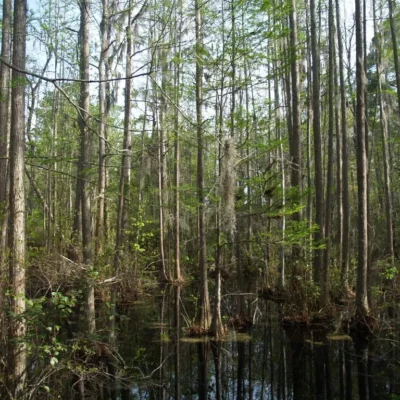
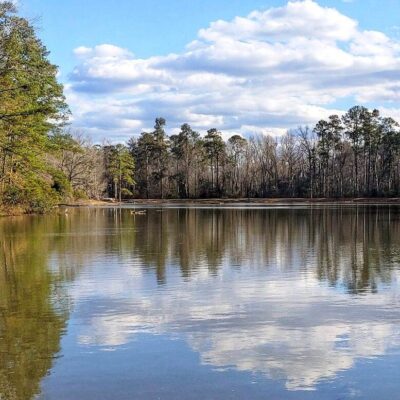
The Santee River delta — where Hampton Plantation sits — is one of the largest and most ecologically important river deltas on the Atlantic Coast. The former rice fields have reverted to freshwater marshes supporting alligators, wood storks, and red-cockaded woodpeckers. The live oak allée leading to the mansion includes trees over 300 years old. Spanish moss (not actually a moss but a bromeliad) drapes every branch in the quintessential Lowcountry scene.
Insider Tips
Mountain plantation: Hardman Farm is a beautifully preserved 173-acre estate in the North Georgia Mountains — with an 1870s Italianate mansion and working farm. Pro tip: The Nacoochee Valley setting — with a famous Native American mound visible from the highway — is one of the most photographed scenes in Georgia. Cherokee heritage: The valley was Cherokee territory before the Trail of Tears removal (1838).
Best Time to Visit
Fall: North Georgia mountain foliage. Spring: Farm in bloom. Summer: Full tours and programs. Winter: Holiday candlelight tours.
Frequently Asked Questions
What happened during the Trail of Tears?
In 1838, the US Army forcibly removed 16,000 Cherokee from their homeland in Georgia, Tennessee, and the Carolinas — marching them 1,000+ miles to Oklahoma. An estimated 4,000 Cherokee died during the removal from disease, exposure, and starvation. The Cherokee had adopted European customs, created a written language (Sequoyah’s syllabary), and published a newspaper — none of it prevented their removal.
Keep exploring: The closest neighbors are Hampton Plantation SHP (a short drive away) and Huntington Beach State Park (within about an hour’s drive).
📍 Visit Hampton Plantation State Historic Site
Discover America’s best state parks!

Park Location
Top Tours & Activities Near Isle of Palms
 from $60
 from $55
 from $500