
🌤 Weather at Hazen’s Notch State Park by season
| Spring | Summer | Fall | Winter |
|---|---|---|---|
| 15–61 °F | 51–74 °F | 24–66 °F | 4–29 °F |
Each range runs from the coldest monthly average low to the warmest monthly average high in that season (1991-2020 climate normals), measured at Jay Peak, 4 mi away, elevation 1,840 ft. Conditions at the park can differ from the station, especially where elevation differs — check a forecast before you go.

307-Acre Undeveloped Vermont Mountain Park — Long Trail Through-Hike Access, 273-Acre Serpentine Cliff Natural Area, Historic Peregrine Falcon Nesting Habitat, Dispersed Hiking and Snowshoeing, Nearby 15-Mile Trail Network, Westfield Green Mountains Vermont
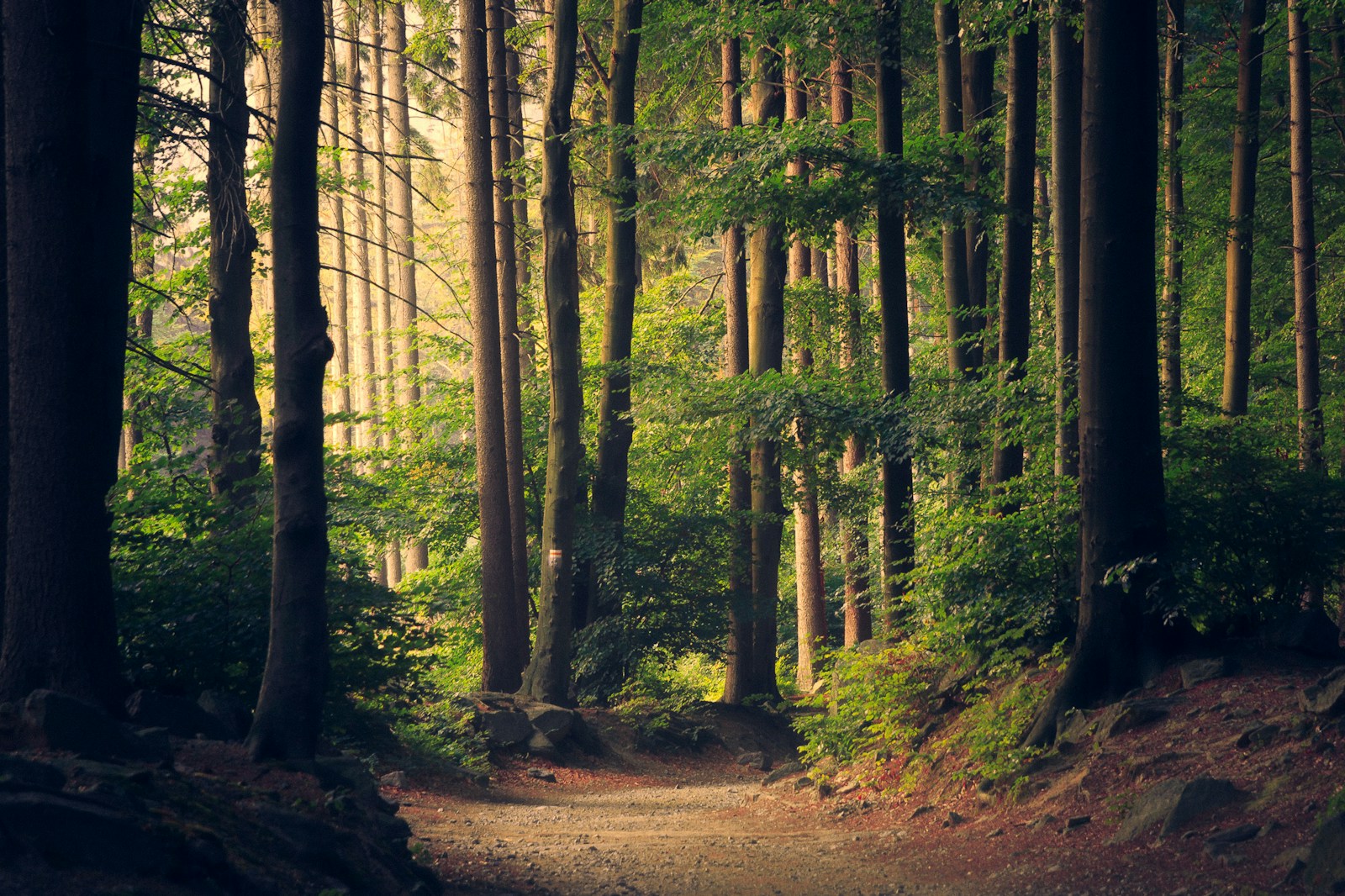
Hazen’s Notch State Park is a 307-acre undeveloped state park in Westfield, Orleans County, Vermont, in the northern Green Mountains. The park features the 273-acre Hazen’s Notch Natural Area protecting unique serpentine cliff geology and rare plant species habitat, the Long Trail passing directly through the park providing through-hiking access on Vermont’s iconic 272-mile footpath, historic nesting habitat for peregrine falcons on the serpentine cliff faces, dispersed recreation including hiking, hunting, bird watching, and snowshoeing, proximity to the Hazen’s Notch Association’s 15+ mile private trail network on conservation lands at High Ponds Farm Nature Preserve and Burnt Mountain Conservation Area for hiking and cross-country skiing, and wild, undeveloped northern Green Mountain character with no campgrounds, restrooms, or formal facilities.
Hazen’s Notch is Vermont’s undeveloped mountain park — the 273-acre Natural Area protects unique serpentine cliff geology that supports rare plant species and has historically hosted nesting peregrine falcons. The Long Trail passes directly through the park.
The nearby Hazen’s Notch Association in Montgomery maintains 15+ miles of trails on private conservation lands.
Things to Do
- Long Trail — through-hike access, Vermont’s 272-mi footpath
- Natural Area — 273 acres, serpentine cliffs, rare plants
- Birding — historic peregrine falcon nesting area
- Hiking — dispersed mountain trails
- Snowshoeing — winter mountain access
- Nearby HNA trails — 15+ mi private conservation network
Park Information
| Feature | Details |
|---|---|
| Location | Westfield, VT — northern Green Mountains |
| Size | 307 acres — undeveloped wilderness |
| Natural Area | 273 acres — serpentine cliffs, rare species |
| Long Trail | Passes directly through park |
| Facilities | None — no camping, restrooms, or formal trails |
| Managed By | Vermont FPR |
| Coordinates | 44.8444° N, 72.5204° W |
Wildlife & Nature
Hazen’s Notch SP — in a high mountain pass (1,780 ft) in the northern Green Mountains. The notch was carved during the Revolutionary War by the Bayley-Hazen Military Road (1776-1779) — designed to invade Canada but never completed. The park’s boreal forest, cliffs, and wetlands support moose, black bears, and northern goshawks.
Nearby Attractions
Montgomery — adjacent — famous for its six covered bridges (most per square mile in Vermont). Jay Peak Resort — 5 miles north. Canadian border — 10 miles north.
Does the Long Trail go through Hazen’s Notch State Park?
Yes — Vermont’s Long Trail passes directly through Hazen’s Notch State Park, a 307-acre undeveloped park in Westfield, Vermont’s northern Green Mountains. The park contains the 273-acre Hazen’s Notch Natural Area protecting unique serpentine cliff geology and historic peregrine falcon nesting habitat. No camping, restrooms, or formal facilities. The nearby Hazen’s Notch Association in Montgomery maintains 15+ miles of trails on private conservation lands at High Ponds Farm and Burnt Mountain for hiking, cross-country skiing, and snowshoeing.
Last updated: May 2026
More parks nearby: Green River Reservoir State Park is within about an hour’s drive, while Lake Carmi State Park lies within about an hour’s drive.

🐾 Dogs & Pets at Hazen’s Notch State Park
- Pets allowed? statewide rule
- Pets are allowed at all Vermont State Parks campgrounds and on trails unless otherwise posted, but are not permitted on beaches or in most picnic areas.
- Leash rule statewide rule
- Leash shorter than 10 ft required (or pet safely confined) at all times
- Beaches & swim areas statewide rule
- Pets are not permitted on beaches; limited exceptions let pets use the far side of the beach away from swim areas at Branbury, Lake Shaftsbury and Silver Lake
- Cabins & lodging statewide rule
- Pets are permitted in designated pet-friendly cabins only (full list on the Vermont State Parks cabins page); cottages do not allow pets
- Statewide exceptions statewide rule
- Pets allowed in picnic areas at Allis, Camp Plymouth, Elmore, Kill Kare, Knight Point, Lake Shaftsbury, Mt. Philo, Osmore Pond and Owl's Head; at Camp Plymouth pets may swim only at the cartop boat launch; current rabies vaccination expected
Are dogs allowed at Hazen’s Notch State Park?
Pets are allowed at all Vermont State Parks campgrounds and on trails unless otherwise posted, but are not permitted on beaches or in most picnic areas. Individual parks can post stricter rules — check signage on arrival.
Rules verified July 2026 via vtstateparks.com. More: Vermont state parks guide · Dog rules in all 50 states compared
Park Location
Plan your gear for Hazen’s Notch State Park
From our editorial guides, matched to this park’s activities:
Top Tours & Activities Near Stowe
 from $359
 from $359
 from $20