Hiwassee Lake State Park
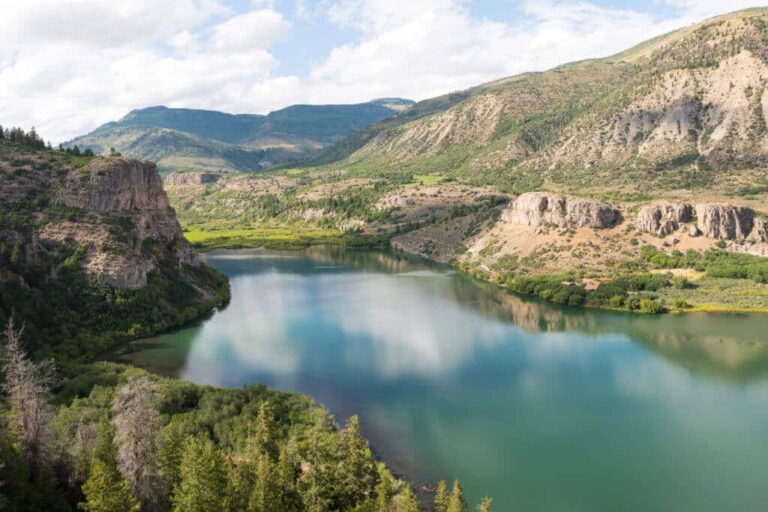
🏆🏆🏆🏆🏆 North Carolina — North Carolina’s newest state park — on the pristine Hiwassee Reservoir in the far western mountains! The lake sits at the convergence of Cherokee National Forest lands with some of the cleanest water in the Southeast. The area was historically Cherokee territory.
Visitor Information
| Detail | Info |
|---|---|
| Location | North Carolina |
About Hiwassee Lake
Hiwassee Lake State Park provides access to Hiwassee Lake in the far southwestern mountains of North Carolina — Cherokee homeland for thousands of years. The TVA reservoir sits in the most remote mountain county in the state, surrounded by the Nantahala and Cherokee National Forests. The word “Hiwassee” is Cherokee for “meadow,” and the valley retains deep Cherokee cultural significance.
Things to Do
Fishing for walleye, bass, and trout on the mountain reservoir, boating, hiking, and exploring the Cherokee heritage and wild forests of far southwestern North Carolina.
Plan Your Visit
Hiwassee Lake State Park provides recreation on 6,090-acre Hiwassee Lake in the Appalachian Mountains of far western North Carolina — Cherokee County. The lake sits in the heart of Cherokee homeland — the Trail of Tears began from this region in 1838. John C. Campbell Folk School (nearby Brasstown) offers traditional Appalachian crafts. Murphy, the county seat, is surrounded by the Nantahala National Forest. Accessible via US 64/74.
Nature & Wildlife
The Hiwassee River valley is one of the most biodiverse regions in the eastern US — the Southern Appalachians contain more tree species than all of Europe. Otters, mink, and kingfishers fish the lake’s tributaries. The area supports 30+ species of salamanders — the southern Appalachians are the “salamander capital of the world.” In winter, sandhill cranes stage at the nearby Hiwassee Wildlife Refuge (3,000+ birds).
Insider Tips
Mountain lake: Hiwassee Lake offers 22 miles of shoreline surrounded by the Nantahala National Forest — one of the most remote and beautiful areas in western NC. Pro tip: The Nantahala Gorge nearby is one of the Southeast’s premier whitewater destinations. Biodiversity hotspot: Western NC’s mountain forests contain more tree species than all of northern Europe.
Best Time to Visit
Summer: Lake swimming and whitewater. Fall: Mountain foliage — spectacular. Spring: Wildflower trails. Winter: Quiet lake and mountain views.
Frequently Asked Questions
Why is western NC so biodiverse?
The Southern Appalachians were never glaciated — while ice sheets scraped northern landscapes bare, southern mountains served as a refuge for species. Over millions of years, species diversified in isolated mountain valleys. The result: more tree species than Europe, more salamander species than anywhere on Earth, and wildflower displays rivaling the tropics. Western NC sits at the center of this ancient biodiversity hotspot.
Park Location




Top Tours & Activities Near Blue Ridge
 from $31
 from $20
 from $26