
Lost River State Park
🐴 Trusted Guide to West Virginia’s Lee Family Retreat – Updated 2025
Where a Revolutionary War General Found Peace
In the remote mountains of Hardy County, Lost River State Park spreads across 3,712 acres of secluded Appalachian wilderness that once served as the summer retreat of Henry “Lighthorse Harry” Lee — Revolutionary War general and father of Robert E. Lee. The park’s namesake comes from the Lost River, which disappears underground through porous limestone before re-emerging as the Cacapon River miles away. With 23 miles of trails, CCC-era cabins, and the Cranny Crow Overlook at 3,200 feet offering views of five counties, Lost River delivers one of West Virginia’s most peaceful and historically rich state park experiences.
Cranny Crow Overlook
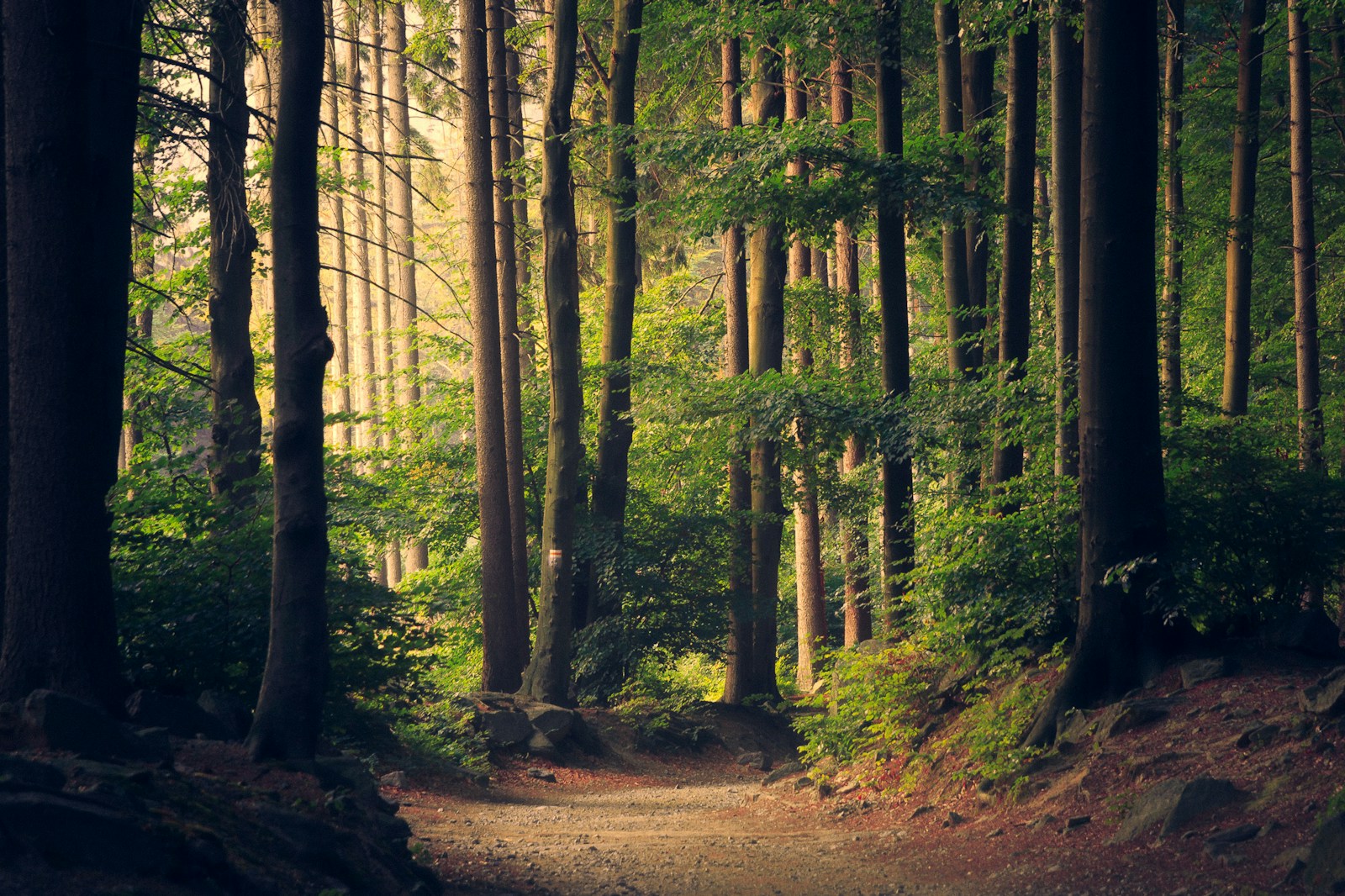
The park’s crown jewel is the hike to Cranny Crow atop Big Ridge Mountain — a 10.8-mile round trip that rewards with panoramic views across five West Virginia counties from 3,200 feet. Remnants of a former fire lookout tower mark the summit. The trail passes through mixed hardwood forest rich with wildflowers in spring and spectacular color in fall.
Historic Cabins & Trails
- 26 Cabins: Legacy and classic styles — some original CCC construction with period furnishings
- Lighthorse Harry Lee Cabin (c. 1800): National Register of Historic Places — now a museum
- Lee Sulphur Spring: Historic mineral spring near the Lee family’s former home
- 23 miles of trails: Also open for mountain biking and horseback riding
- Swimming pool open seasonally — a refreshing mountain retreat after a long hike
Practical Tips
- From Moorefield (20 miles): Take Route 259 South to the park
- Entry fee: Free (West Virginia state parks are free)
- Cabins book early for fall foliage season — reserve months ahead for October
- The Cranny Crow hike is strenuous — bring water, snacks, and allow 5-6 hours
- Cell service is very limited — download offline maps before arriving
- The park connects to the George Washington National Forest — extend your adventure into federal lands
- Spring wildflowers (April-May) are exceptional in the mountain hollows


