🌤 Weather at Lowell-Dracut-Tyngsboro State Forest by season
| Spring | Summer | Fall | Winter |
|---|---|---|---|
| 24–70 °F | 55–85 °F | 30–76 °F | 16–40 °F |
Each range runs from the coldest monthly average low to the warmest monthly average high in that season (1991-2020 climate normals), measured at Lowell, 4 mi away, elevation 110 ft. Conditions at the park can differ from the station, especially where elevation differs — check a forecast before you go.

🏆 Merrimack Valley Forest — 1,100-acre tri-town forest along the Merrimack River — Mill City heritage meets nature
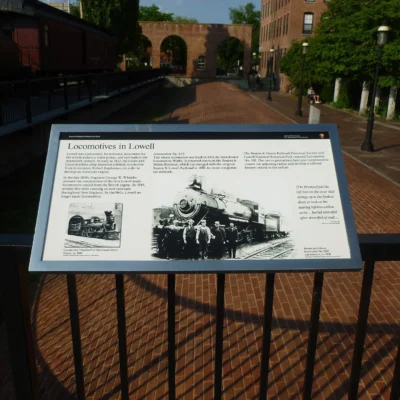
Lowell-Dracut-Tyngsboro State Forest spans 1,100 acres across three Merrimack Valley towns, offering hiking, mountain biking, and swimming at Tothet Pond. The forest sits within the Lowell National Historical Park region — Lowell was America’s first planned industrial city, where the textile mills that launched the American Industrial Revolution were powered by the Merrimack River’s 30-foot Pawtucket Falls.
Visitor Information
| Detail | Information |
|---|---|
| Location | Lowell/Dracut/Tyngsboro, Middlesex, MA |
| Size | 1,100 acres |
| Entry Fee | Free (parking fee in season) |
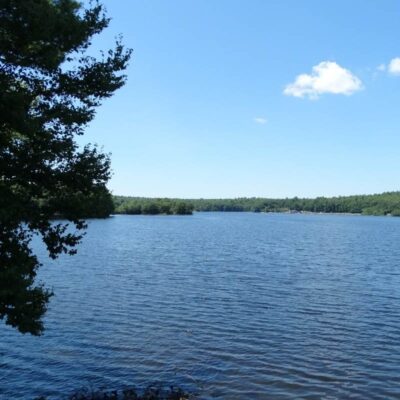
| Swimming | Tothet Pond beach |
| Near | Lowell National Historical Park |
About Lowell-Dracut-Tyngsboro
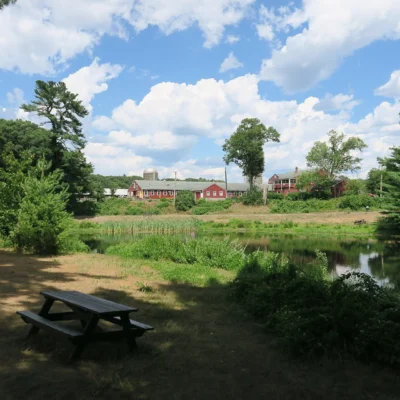
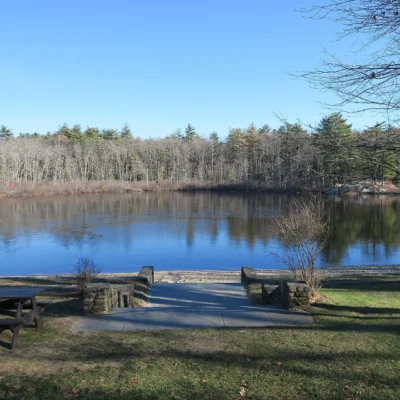
Lowell-Dracut-Tyngsboro State Forest covers 1,100 acres of pine-oak forest straddling three communities in the Merrimack Valley. The forest features several scenic ponds and varied terrain created by glacial deposits — eskers, kames, and kettle ponds. The forest provides crucial green space near the mill city of Lowell — a National Historical Park city.
Things to Do
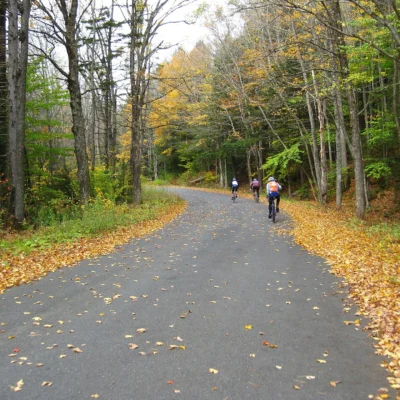
Hiking on extensive trail network, swimming at Trotting Park Pond, mountain biking, horseback riding, fishing, hunting (seasonal), and cross-country skiing. The nearby Lowell National Historical Park offers American Industrial Revolution history.
Insider Tips
Merrimack Valley nature: This 1,100-acre forest provides urban nature access near Lowell — the birthplace of the American Industrial Revolution. Pro tip: Lowell’s National Historical Park tells the story of America’s first planned industrial city — the mill buildings along the Merrimack River powered the nation’s textile industry. Trail network: 6+ miles of multi-use trails through mixed hardwood forest.
Best Time to Visit
Fall: Merrimack Valley foliage. Summer: Shaded forest trails. Spring: Wildflowers and returning birds. Winter: Cross-country skiing and snowshoeing.
Frequently Asked Questions
Why is Lowell historically important?
Lowell was America’s first planned industrial city — built in the 1820s to harness the Merrimack River’s power for textile manufacturing. At its peak, 40 mills employed 10,000+ workers (mostly young women — the “mill girls”). The Lowell experiment proved factories could work in America and launched the American Industrial Revolution.
Nearby state parks: If you have extra time, Lowell Heritage State Park is a short drive away, and Greycourt State Park is a short drive away.
🏊 Visit Lowell-Dracut-Tyngsboro SF
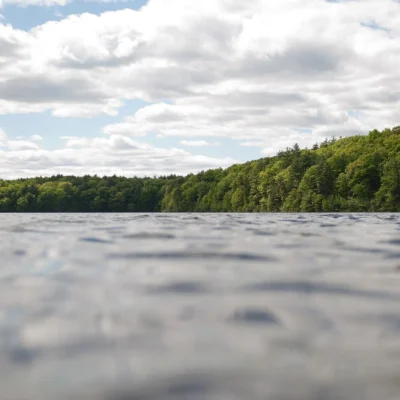
1,100 acres — swim at Tothet Pond, near America’s first Mill City.
Wildlife & Nature
Lowell-Dracut-Tyngsboro SF — 1,100 acres on Tyngsboro Hill. The forest’s mixed pine-oak, wetlands, and vernal pools support spotted salamanders, wood frogs, and white-tailed deer. Vernal pools are critical breeding habitat for amphibians.
Nearby Attractions
Lowell — adjacent — the “Cradle of the Industrial Revolution” — Lowell NHP preserves the canal system. Tyngsboro — adjacent.

🐾 Dogs & Pets at Lowell-Dracut-Tyngsboro State Forest
- Pets allowed? statewide rule
- The Massachusetts Department of Conservation and Recreation (DCR) welcomes dogs on-leash in most state parks, forests and reservations, though a list of specific properties prohibits dogs for safety, health or habitat reasons.
- Leash rule statewide rule
- Leash of no more than 10 feet in on-leash areas; dogs must be on-leash in all parking areas.
- Beaches & swim areas statewide rule
- Dogs are not allowed on DCR coastal beaches or in designated swimming areas of inland beaches from May 1 through September 15; shorebird-nesting beaches are closed to dogs April 1 - September 15.
- Cabins & lodging statewide rule
- Dogs are not allowed in cabins, yurts and the encompassing areas (no pet-friendly cabin program).
- Statewide exceptions statewide rule
- Designated off-leash areas at ~20 properties (e.g. Bark Place at Breakheart Reservation); max 4 dogs per person; dogs banned entirely at Walden Pond, Moore State Park, Sandy Point and Boston Harbor Islands.
Are dogs allowed at Lowell-Dracut-Tyngsboro State Forest?
The Massachusetts Department of Conservation and Recreation (DCR) welcomes dogs on-leash in most state parks, forests and reservations, though a list of specific properties prohibits dogs for safety, health or habitat reasons. Individual parks can post stricter rules — check signage on arrival.
Rules verified July 2026 via mass.gov. More: Massachusetts state parks guide · Dog rules in all 50 states compared
Park Location
Plan your gear for Lowell-Dracut-Tyngsboro State Forest
From our editorial guides, matched to this park’s activities: