🌤 Weather at Merkle Natural Resources Management Area and Visitor Center by season
| Spring | Summer | Fall | Winter |
|---|---|---|---|
| 33–75 °F | 63–88 °F | 36–80 °F | 25–48 °F |
Each range runs from the coldest monthly average low to the warmest monthly average high in that season (1991-2020 climate normals), measured at Upper Marlboro 3 NNW, 9 mi away, elevation 130 ft. Conditions at the park can differ from the station, especially where elevation differs — check a forecast before you go.

Overview
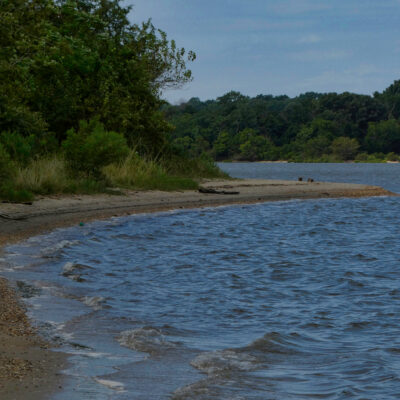
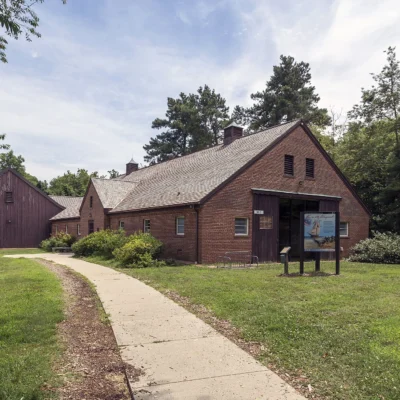
Merkle Natural Resources Management Area covers approximately 1,670 acres along the Patuxent River in Prince George’s County, Maryland. The area is best known as the winter home of the Chesapeake Bay’s Canada goose population and features a modern visitor center with educational exhibits on Chesapeake Bay ecology and wildlife management.
Originally a private waterfowl hunting preserve, Merkle was acquired by the Maryland Department of Natural Resources in 1985. Today it serves as a critical wildlife sanctuary and one of the region’s premier birdwatching destinations, particularly during the fall and winter months when thousands of Canada geese and other waterfowl concentrate in the managed fields and wetlands.
Recreation and Activities
The visitor center offers interactive exhibits, wildlife observation windows, and naturalist-led programs throughout the year. Four miles of hiking trails wind through forests, fields, and wetlands, with observation blinds positioned for optimal wildlife viewing. The Critical Area Driving Tour provides vehicular access to key birding areas during fall and winter.
Fishing is available along the Patuxent River, and hunting is permitted during designated seasons. Cycling is allowed on designated roads and trails.
Location and Access
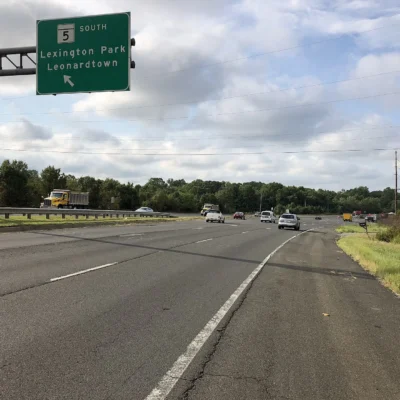
Merkle NRMA is located at 11704 Fenno Road, Upper Marlboro, Maryland 20772. The area is approximately 20 miles southeast of Washington, D.C., accessible via Maryland Route 382 from Croom Road. The visitor center is open Wednesday through Sunday.
Frequently Asked Questions
When is the best time for birdwatching?
Late October through February offers peak waterfowl viewing. The Critical Area Driving Tour is typically open November through mid-March.
Is there an admission fee?
Admission to the management area is free. The visitor center is also free, though donations are appreciated.
Why do so many geese winter in Maryland?
Maryland’s Eastern Shore and Chesapeake Bay provide ideal wintering habitat — mild winters, abundant grain fields, and protected water. The Atlantic Flyway funnels millions of waterfowl through the region. Canada geese, snow geese, and tundra swans gather in huge concentrations. Blackwater NWR on the Eastern Shore hosts 35,000+ geese at peak — one of the great wildlife spectacles on the East Coast.
Getting There
Located on Fenno Road in Upper Marlboro, Prince George’s County. Open sunrise to sunset; visitor center hours vary. Home to the only nesting population of Canada geese on the Western Shore of Maryland (established here in the 1930s). The observation tower provides panoramic views of the Patuxent River marshes. Critical habitat for bald eagles and osprey. Just 30 minutes from Washington DC.
Insider Tips
Canada geese: Merkle is Maryland’s largest wintering ground for Canada geese — thousands gather here from October through March. Pro tip: The Patuxent River that borders Merkle is the longest river entirely within Maryland — 110 miles from the Piedmont to the Chesapeake Bay. Critical Area: Maryland’s Critical Area law protects a 1,000-foot buffer around the entire Chesapeake Bay shoreline.
Best Time to Visit
Winter: Peak Canada goose viewing — thousands. Fall: Geese arriving. Spring: Migrating birds. Summer: Lush wetlands.
Make it a road trip: Pair a visit with Rosaryville State Park (a short drive away) or Cedarville State Forest (a short drive away).

🐾 Dogs & Pets at Merkle Natural Resources Management Area and Visitor Center
- Pets allowed? statewide rule
- Maryland state parks welcome leashed pets, but where they may go is set park by park under the Maryland Park Service Pet Policy — check each park's designated pet areas.
- Leash rule statewide rule
- 6 ft maximum in designated pet areas and 10 ft in undeveloped areas; off-leash under voice control only while swimming in designated areas
- Beaches & swim areas statewide rule
- At most parks pets are barred from sandy swim beaches from Memorial Day weekend through Labor Day; many parks allow shoreline swimming outside the swim beach
- Cabins & lodging statewide rule
- Most cabins are pet-free, but select parks designate pet-friendly cabins (e.g. Herrington Manor cabins 1-10, New Germany cabins 3-7)
- Statewide exceptions statewide rule
- Pets not allowed in park buildings or playgrounds; pets must be licensed and vaccinated
Are dogs allowed at Merkle Natural Resources Management Area and Visitor Center?
Maryland state parks welcome leashed pets, but where they may go is set park by park under the Maryland Park Service Pet Policy — check each park's designated pet areas. Individual parks can post stricter rules — check signage on arrival.
Rules verified July 2026 via dnr.maryland.gov. More: Maryland state parks guide · Dog rules in all 50 states compared
Park Location
Plan your gear for Merkle Natural Resources Management Area and Visitor Center
From our editorial guides, matched to this park’s activities: