🌤 Weather at Ossipee Lake Natural Area by season
| Spring | Summer | Fall | Winter |
|---|---|---|---|
| 17–66 °F | 50–78 °F | 25–70 °F | 8–34 °F |
Each range runs from the coldest monthly average low to the warmest monthly average high in that season (1991-2020 climate normals), measured at Tamworth 4, 8 mi away, elevation 541 ft. Conditions at the park can differ from the station, especially where elevation differs — check a forecast before you go.

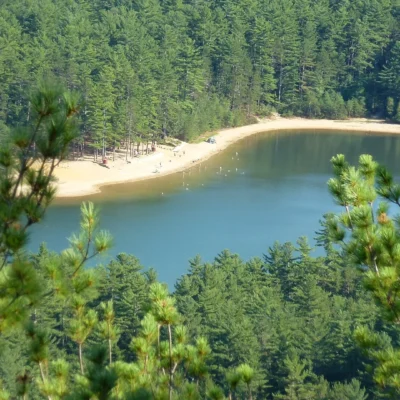
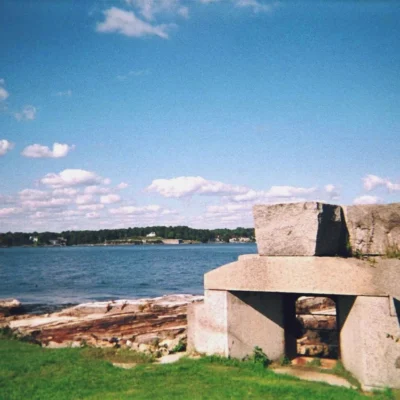
Rare Sandy Pond Shore Natural Community on Ossipee Lake in New Hampshire — 400-Acre State Natural Area on the Shore of Ossipee Lake, Globally Rare Sandy Pond Shore Plant Communities, Important Archaeological Sites Dating Back Thousands of Years, Designated Shoreline Area Open for Low-Impact Recreation and Boating, Protected Rare Plants and Habitats Under Honor System Management, Lake Access for Kayaking and Canoeing on Ossipee Lake, Near Freedom Carroll County Lakes Region New Hampshire
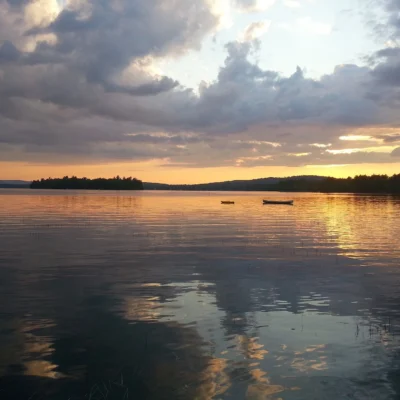
Ossipee Lake Natural Area is a 400-acre state natural area on Ossipee Lake in Carroll County, New Hampshire Lakes Region, managed by New Hampshire Department of Natural and Cultural Resources (DNCR). The site features globally rare “sandy pond shore” natural communities — plant associations found at only a few locations worldwide, important archaeological sites dating back thousands of years documenting Native American habitation, approximately 1,000 feet of designated shoreline open to the public for boating and low-impact recreation, protected rare plant communities including species adapted to the unique sandy-gravelly lake margin habitat, an honor system management plan balancing public access with sensitive resource protection, lake access for kayaking and canoeing on Ossipee Lake, and a living natural laboratory showcasing the delicate relationship between sandy shoreline ecosystems and the broader lake environment.
The sandy pond shore communities at Ossipee are globally significant — these rare plant associations develop on sandy and gravelly lake margins where seasonal water level fluctuations create unique growing conditions found at only a handful of sites worldwide.
The archaeological sites add deep cultural significance — Native American habitation evidence spanning thousands of years demonstrates the long relationship between human communities and this exceptional lakeside ecosystem.
Things to Do
- Lake access — kayaking, canoeing
- Rare plants — globally rare communities
- Archaeology — thousands of years
- Nature study — sandy pond shore ecology
- Boating — designated shoreline access
Site Information
| Feature | Details |
|---|---|
| Location | Ossipee Lake, Carroll County, NH |
| Size | 400 acres |
| Shoreline | ~1,000 ft public access |
| Significance | Globally rare sandy pond shore habitat |
| Camping | ❌ No — day-use only |
| Managed By | NH DNCR |
| Coordinates | 43.8000° N, 71.1333° W |
Wildlife & Nature
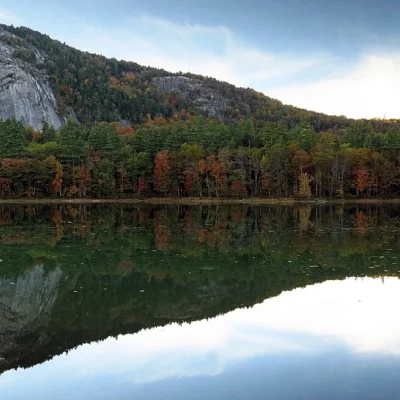
Ossipee Lake Natural Area — on Ossipee Lake — preserves undeveloped shoreline and wetland habitat. The 3,092-acre lake occupies a glacial outwash depression surrounded by the Ossipee Mountain ring-dike complex — a rare geological feature formed by an ancient volcanic caldera. Common loons nest on the lake. Bald eagles fish from heights. Painted turtles and Blanding’s turtles (state endangered) inhabit the wetlands.
Nearby Attractions
Ossipee — adjacent — has the Lake Region. Castle in the Clouds — 10 miles northwest — is a 1913 mountaintop estate. White Lake State Park — 10 miles northeast — has a National Natural Landmark. Tamworth — 10 miles north — has the Barnstormers Theatre (oldest professional summer theater in America, founded 1931).
Can you visit Ossipee Lake Natural Area?
Yes — Ossipee Lake Natural Area in Carroll County, New Hampshire has approximately 1,000 feet of designated shoreline open to the public for boating and low-impact recreation. The 400-acre state natural area protects globally rare sandy pond shore plant communities and important archaeological sites. Managed by NH DNCR under an honor system plan that balances public access with sensitive habitat protection. Day-use only, no camping.
The honor system management at Ossipee Lake reflects a progressive approach to conservation — rather than heavy enforcement, the site relies on visitor respect and stewardship to protect its irreplaceable botanical communities. Rules include anchoring motorboats offshore and avoiding fires on the sandy shoreline.
Last updated: May 2026
Make it a road trip: Pair a visit with Heath Pond Bog Natural Area (a short drive away) or White Lake State Park (a short drive away).

🐾 Dogs & Pets at Ossipee Lake Natural Area
- Pets allowed? statewide rule
- Many NH state parks allow pets year-round, but policies vary by park and some parks prohibit pets entirely.
- Leash rule statewide rule
- Standard or retractable leash not greater than 6 feet required; animals may not be left unattended.
- Beaches & swim areas statewide rule
- Pets are prohibited at beaches and designated swim areas seasonally from May 1 through September 30.
- Cabins & lodging statewide rule
- Pets are permitted at 13 campgrounds (including Bear Brook, Coleman, Greenfield, Lake Francis, Milan, Mollidgewock, Moose Brook, Pawtuckaway, Pillsbury, Sunapee and Umbagog); cabin/yurt rules vary by park — check before booking.
- Statewide exceptions statewide rule
- Monadnock, North Hampton State Beach, Odiorne Point and most of Rhododendron State Park prohibit pets year-round; Crawford Notch, Franconia Notch and Mount Washington allow pets only on hiking trails and designated dog-walk areas.
Are dogs allowed at Ossipee Lake Natural Area?
Many NH state parks allow pets year-round, but policies vary by park and some parks prohibit pets entirely. Individual parks can post stricter rules — check signage on arrival.
Rules verified July 2026 via nhstateparks.org. More: New Hampshire state parks guide · Dog rules in all 50 states compared
Park Location
Plan your gear for Ossipee Lake Natural Area
From our editorial guides, matched to this park’s activities: