
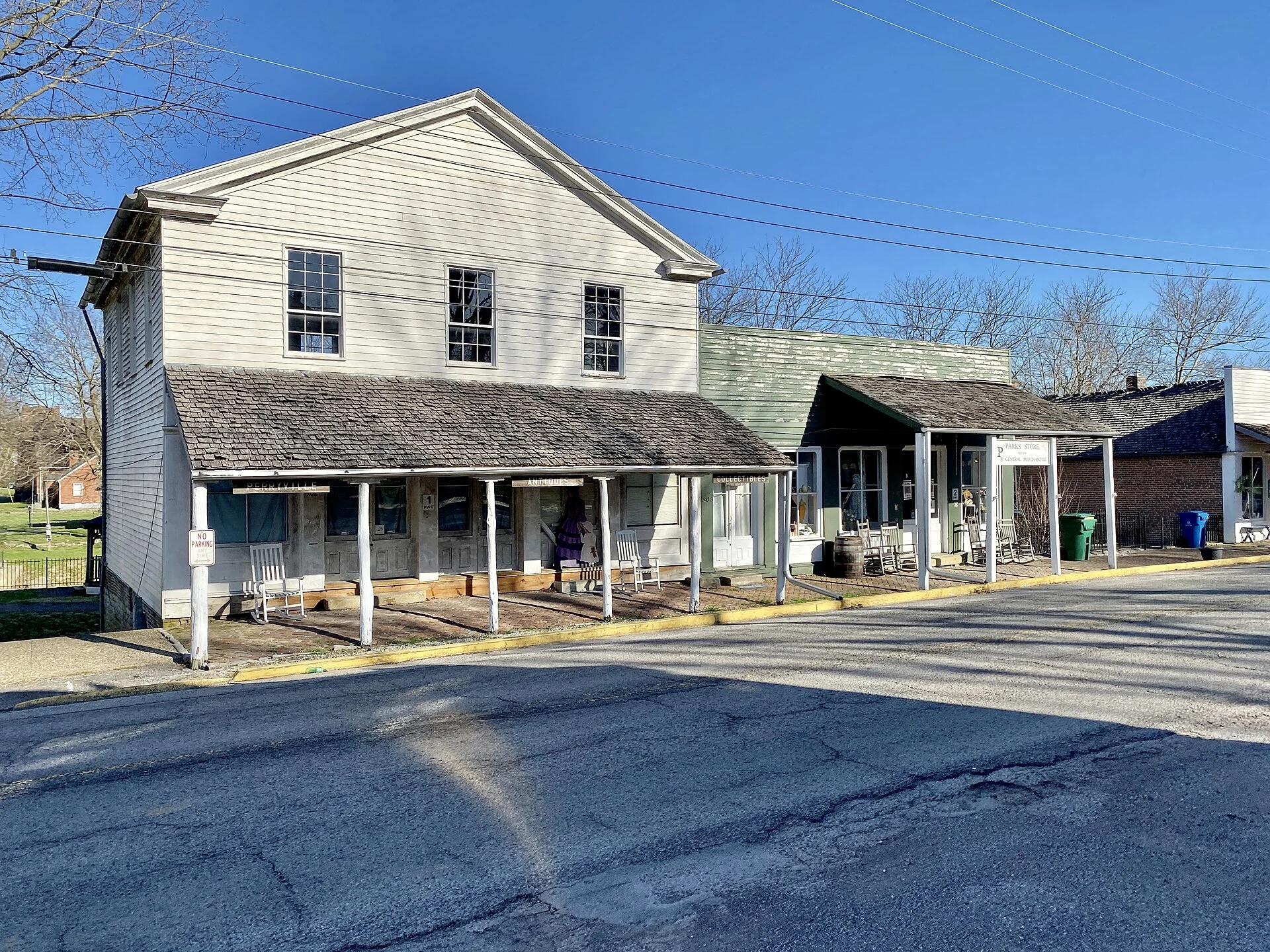
🌤 Weather at Perryville Battlefield State Historic Site by season
| Spring | Summer | Fall | Winter |
|---|---|---|---|
| 33–75 °F | 61–86 °F | 34–80 °F | 23–47 °F |
Each range runs from the coldest monthly average low to the warmest monthly average high in that season (1991-2020 climate normals), measured at Danville, 11 mi away, elevation 900 ft. Conditions at the park can differ from the station, especially where elevation differs — check a forecast before you go.

⚔️ Kentucky’s Bloodiest Day — The Battle of Perryville, 7,600 Casualties, and the Fight That Saved the Union’s Western Flank — Perryville Battlefield State Historic Site in Boyle County, Kentucky, site of the largest Civil War battle in Kentucky (October 8, 1862), Confederate General Braxton Bragg vs. Union General Don Carlos Buell, 7,600 casualties, Confederate Heartland Offensive culmination, self-guided walking tour, museum, monuments, one of the best-preserved Civil War battlefields in America — Boyle County, KY
On October 8, 1862, the largest Civil War battle ever fought in Kentucky erupted on the rolling farmland around Perryville. By nightfall, 7,600 men were dead, wounded, or missing — and the Confederacy’s last serious attempt to claim Kentucky was over.
Today, the Perryville Battlefield is one of the most well-preserved Civil War battlefields in the nation. The landscape looks remarkably similar to what soldiers saw in 1862 — open fields, stone walls, the Chaplin River, and ridgelines where artillery batteries once thundered.
The Battle
| Detail | Info |
|---|---|
| Date | October 8, 1862 |
| War | American Civil War — Confederate Heartland Offensive (Kentucky Campaign) |
| Confederate Commander | General Braxton Bragg — Army of the Mississippi |
| Union Commander | Major General Don Carlos Buell — Army of the Ohio |
| Forces | ~16,000 Confederates engaged vs. ~20,000 Union engaged (Buell had 55,000 nearby but many never entered the fight) |
| Casualties | ~4,200 Union + ~3,400 Confederate = 7,600 total |
| Outcome | Tactical Confederate victory, strategic Union victory. Bragg retreated to Tennessee |
| Significance | Ended the Confederate presence in Kentucky. Secured the border state for the Union permanently |
What Happened
By autumn 1862, the Confederacy was making its most ambitious play for Kentucky — a border state with strategic rivers, railroads, and recruits that both sides desperately wanted. Bragg’s army marched north from Tennessee, hoping to rally Kentuckians to the Confederate cause and threaten Cincinnati and Louisville.
It didn’t work. Few Kentuckians volunteered. Buell’s Army of the Ohio pursued Bragg, and the two forces collided near Perryville — a small town where both armies were searching for water during a severe drought.
The battle was ferocious but chaotic. An acoustic shadow — a freak atmospheric condition — prevented Buell from hearing the battle even though it raged just two miles away. He didn’t know a major engagement was underway until evening. Only a fraction of his massive army fought. Despite tactical success on the field, Bragg recognized he was vastly outnumbered and retreated through the Cumberland Gap into Tennessee.
Kentucky would remain Union for the rest of the war.
What to See
| Feature | Details |
|---|---|
| Museum | Battle artifacts, weapons, uniforms, maps. Orientation film. Context on the Kentucky Campaign |
| Self-Guided Walking Tour | Trail system across the battlefield with interpretive signs at key positions — artillery sites, infantry lines, Confederate advance |
| Monuments | Confederate monument (1902), Union monument (1931), and individual unit markers across the field |
| Chaplin River | Both armies fought over water access during the drought. Key terrain feature of the battle |
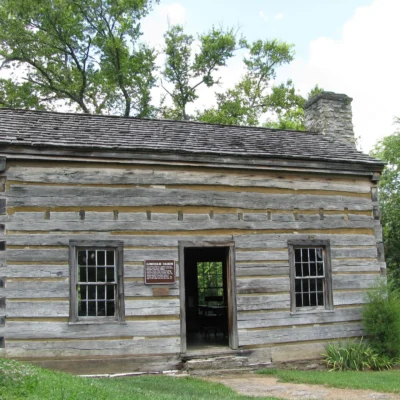
| Bottom House | Historic structure on the battlefield used as a Confederate headquarters and hospital |
| Confederate Cemetery | Burial ground for Confederate soldiers killed in the battle |
Best Time to Visit
| Season | Best For |
|---|---|
| Fall (Oct) | ⚔️ Battle anniversary October 8. Annual reenactment weekend. Fall color on the battlefield |
| Spring (Apr–May) | Wildflowers on the battlefield. Comfortable walking weather. Full museum hours |
| Summer (Jun–Aug) | Extended hours. Hot — the drought that caused the battle is still palpable |
| Winter (Dec–Feb) | Bare trees reveal the terrain as soldiers saw it. Quiet, powerful atmosphere |
Planning Your Visit
| Detail | Info |
|---|---|
| Location | 1825 Battlefield Road, Perryville, KY 40468 |
| Admission | Free for grounds. Small fee for museum |
| Allow | 2–3 hours for museum + battlefield walking tour |
| Nearby | Old Fort Harrod (~10 mi), Shaker Village of Pleasant Hill (~20 mi), Bourbon Trail |
Frequently Asked Questions
Why is this battle not more famous?
Timing. Perryville happened the same week as the Battle of Antietam in Maryland — the bloodiest single day of the war. Antietam overshadowed everything. But Perryville was equally significant: it kept Kentucky in the Union.
What is an acoustic shadow?
An atmospheric condition where sound waves are blocked or deflected by terrain, wind, or temperature layers. At Perryville, General Buell — commanding 55,000 troops just two miles away — couldn’t hear the battle. It’s one of the most famous acoustic shadow incidents in military history.
How well preserved is the battlefield?
Exceptionally well preserved — one of the best in the nation. The landscape of open fields, stone walls, ridgelines, and the Chaplin River looks much as it did in 1862. No commercial development has encroached on the core battlefield.
More parks nearby: Old Fort Harrod State Park is a short drive away, while Old Fort Harrod State Park lies a short drive away.
⚔️ Kentucky’s Bloodiest Day
7,600 casualties. An acoustic shadow that hid a battle from its own commander. The fight that kept Kentucky in the Union — on one of America’s best-preserved Civil War battlefields.
Wildlife & Nature
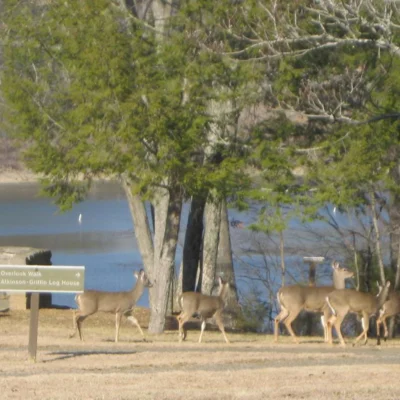
Perryville Battlefield SHS — site of the Battle of Perryville (October 8, 1862) — the largest Civil War battle in Kentucky and one of the bloodiest with 7,600 casualties. The Confederate defeat ended their last serious attempt to control Kentucky. The battlefield is considered the most intact Civil War battlefield in the nation. The park’s rolling hills, forest, and creek support white-tailed deer, hawks, and wild turkeys.
Nearby Attractions
Perryville — adjacent. Danville — 10 miles east. Harrodsburg — 15 miles northwest — Kentucky’s oldest town.

🐾 Dogs & Pets at Perryville Battlefield State Historic Site
- Pets allowed? statewide rule
- Pets are welcome in most outdoor areas of Kentucky state parks but must be leashed in all public areas.
- Leash rule statewide rule
- Leash required in all public areas (official policy does not state a maximum length)
- Beaches & swim areas statewide rule
- Pets are restricted from beaches, nature preserves and some historic sites
- Cabins & lodging statewide rule
- Pet-friendly rooms and cabins available at select lodges for a $50-per-accommodation fee, max two pets, 80 lbs per pet
- Pet fees statewide rule
- No day-use pet fee; $50 pet fee per accommodation for lodging (undisclosed pets: $150 per incident)
- Statewide exceptions statewide rule
- Pets banned from State Nature Preserve trails at parks including John James Audubon, Natural Bridge, Cumberland Falls, Carter Caves and Pine Mountain
Are dogs allowed at Perryville Battlefield State Historic Site?
Pets are welcome in most outdoor areas of Kentucky state parks but must be leashed in all public areas. Individual parks can post stricter rules — check signage on arrival.
Rules verified July 2026 via parks.ky.gov. More: Kentucky state parks guide · Dog rules in all 50 states compared
Park Location
Top Tours & Activities Near Lexington
 from $550
 from $149
 from $199