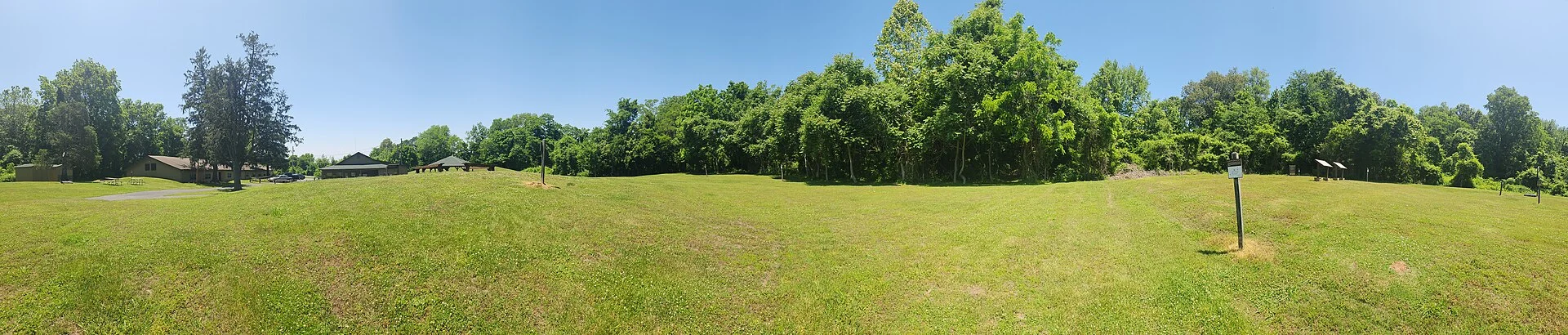
🌤 Weather at Wickliffe Mounds State Historic Site by season
| Spring | Summer | Fall | Winter |
|---|---|---|---|
| 38–78 °F | 66–89 °F | 37–82 °F | 26–48 °F |
Each range runs from the coldest monthly average low to the warmest monthly average high in that season (1991-2020 climate normals), measured at Cairo 3N, 7 mi away, elevation 313 ft. Conditions at the park can differ from the station, especially where elevation differs — check a forecast before you go.

🏛️ A Thousand-Year-Old City on the Mississippi Bluffs — Where Mound Builders Farmed, Traded, and Thrived — Wickliffe Mounds State Historic Site in Wickliffe, Kentucky, Mississippian culture village (AD 1100–1350), platform mounds, ceremonial plaza, 85,000+ excavated artifacts, pottery/ceramics/bone tools, Sun Circle symbol, “Ancient Buried City” (1932), Murray State University research, National Register of Historic Places, Mississippi-Ohio River confluence — Ballard County, KY
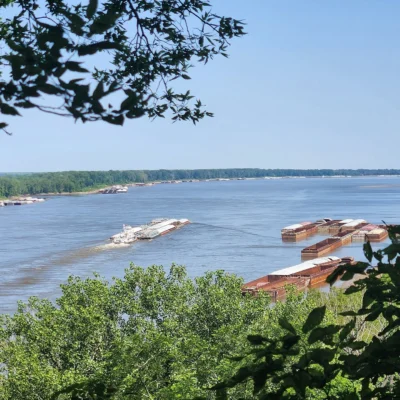
A thousand years ago — centuries before Columbus — a thriving agricultural city stood on these bluffs overlooking the Mississippi River, just three miles south of where the Ohio River pours into it. The people who built it grew corn and squash, constructed platform mounds for their leaders, buried their dead with ceremony, and traded goods across a network that stretched from the Great Lakes to the Gulf of Mexico.
Today, the Wickliffe Mounds State Historic Site preserves what remains of this Mississippian culture village — including the mounds themselves, and an astonishing collection of over 85,000 excavated artifacts that tell the story of a civilization that flourished here from AD 1100 to 1350.
What to See
| Feature | Details |
|---|---|
| Platform Mounds | Two major platform mounds and several smaller residential/ceremonial mounds surrounding a central plaza — the classic Mississippian town layout |
| Museum | Exhibits displaying pottery, shell-tempered ceramics, stone tools, bone implements, and evidence of the extensive trade network. The “Sun Circle” — a cross-and-circle symbol painted on a clay floor — is a major Mississippian art motif |
| Mound C Cemetery | Excavated burial mound with interpreted exhibits. The burials reveal social hierarchy, burial practices, and personal adornment of the Mississippian people |
| Wattle-and-Daub Houses | Archaeological evidence of permanent homes clustered around the plaza — these were a farming people, not nomads |
| Gift Shop | Replica artifacts, books on Mississippian culture and archaeology, and educational materials |
The Timeline
| Era | Event |
|---|---|
| ~AD 1100 | Mississippian people establish a permanent village on the bluffs above the Mississippi River |
| AD 1100–1350 | The village thrives for 250 years — farming, mound building, long-distance trade, ceremonial life |
| ~AD 1350 | The village is abandoned. The reasons remain unclear — climate change, resource depletion, warfare, or migration |
| 1930 | Road construction exposes archaeological deposits |
| 1932 | Amateur archaeologist Fain King purchases the site and opens it as the “Ancient Buried City” tourist attraction |
| 1983 | Murray State University takes over, shifting to professional archaeological research and curation of 85,000+ artifacts |
| 2004 | Transferred to the Commonwealth of Kentucky. Now managed as a State Historic Site. Listed on the National Register of Historic Places |
Best Time to Visit
| Season | Best For |
|---|---|
| Spring (Mar–May) | 🌿 Site opens for the season. Comfortable weather for walking the mounds. Wildflowers on the bluffs |
| Fall (Sep–Nov) | 🍂 Cool weather, fall color along the Mississippi River bluffs. Fewer visitors |
| Summer (Jun–Aug) | Full hours. Hot and humid in western Kentucky. Morning visits recommended |
| Winter (Dec–Feb) | Typically closed or limited hours. Check before visiting |
Frequently Asked Questions
What is Mississippian culture?
The Mississippian culture (AD 800–1600) was the most complex civilization in pre-contact North America. These were farming societies that built earthen mounds, maintained trade networks spanning thousands of miles, and developed sophisticated pottery, art, and ceremonial practices. Cahokia in Illinois — the largest Mississippian city — had a population rivaling medieval London.
Why was this location important?
Geography. The site sits three miles south of where the Ohio River meets the Mississippi — one of the most strategic river confluences in North America. Control of this junction meant control of trade routes stretching from the Great Lakes to the Gulf.
What happened to the people?
The village was abandoned around AD 1350, and the specific reasons remain unknown. Across the Mississippian world, many communities declined or relocated during this period — possibly due to climate shifts (the Little Ice Age), soil exhaustion, warfare, or social upheaval.
Nearby state parks: If you have extra time, Columbus-Belmont State Park is a short drive away, and Kentucky Dam Village SRP is elsewhere in the state.
🏛️ 250 Years of Civilization on the Mississippi Bluffs
Platform mounds. 85,000 artifacts. A thousand-year-old city at the confluence of the Mississippi and Ohio Rivers. One of the most important archaeological sites in the Southeast.
Wildlife & Nature
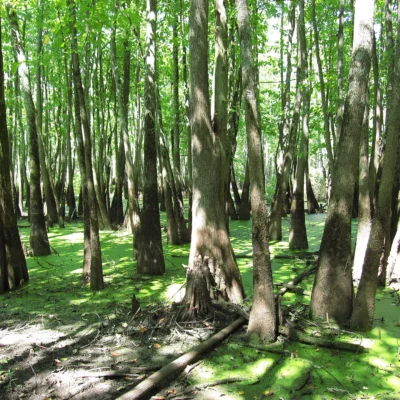
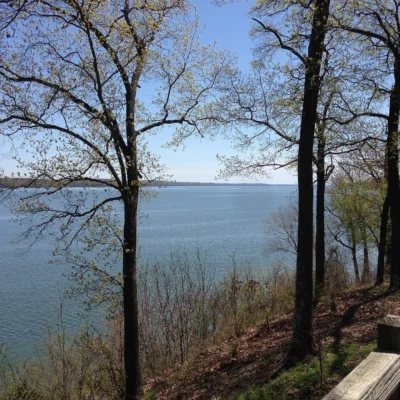
Wickliffe Mounds SHS — preserves a Mississippian-era village (AD 1100-1350) — a major ceremonial and trading center at the confluence of the Mississippi and Ohio Rivers. The mounds were built by ancestors of the Chickasaw people. The site’s river bluffs and forest support bald eagles and great blue herons.
Nearby Attractions
Wickliffe — adjacent. Mississippi-Ohio confluence — visible from the bluffs. Cairo, IL — across the river.

🐾 Dogs & Pets at Wickliffe Mounds State Historic Site
- Pets allowed? statewide rule
- Pets are welcome in most outdoor areas of Kentucky state parks but must be leashed in all public areas.
- Leash rule statewide rule
- Leash required in all public areas (official policy does not state a maximum length)
- Beaches & swim areas statewide rule
- Pets are restricted from beaches, nature preserves and some historic sites
- Cabins & lodging statewide rule
- Pet-friendly rooms and cabins available at select lodges for a $50-per-accommodation fee, max two pets, 80 lbs per pet
- Pet fees statewide rule
- No day-use pet fee; $50 pet fee per accommodation for lodging (undisclosed pets: $150 per incident)
- Statewide exceptions statewide rule
- Pets banned from State Nature Preserve trails at parks including John James Audubon, Natural Bridge, Cumberland Falls, Carter Caves and Pine Mountain
Are dogs allowed at Wickliffe Mounds State Historic Site?
Pets are welcome in most outdoor areas of Kentucky state parks but must be leashed in all public areas. Individual parks can post stricter rules — check signage on arrival.
Rules verified July 2026 via parks.ky.gov. More: Kentucky state parks guide · Dog rules in all 50 states compared
Park Location
Plan your gear for Wickliffe Mounds State Historic Site
From our editorial guides, matched to this park’s activities: