🌤 Weather at Piedmont Charcoal Kilns by season
| Spring | Summer | Fall | Winter |
|---|---|---|---|
| 20–63 °F | 40–80 °F | 17–70 °F | 11–34 °F |
Each range runs from the coldest monthly average low to the warmest monthly average high in that season (1991-2020 climate normals), measured at Mountain View, 7 mi away, elevation 6,800 ft. Conditions at the park can differ from the station, especially where elevation differs — check a forecast before you go.

🏆 Industrial Giants — Three massive charcoal kilns from the 1869 railroad era — 30-foot stone beehive structures that produced charcoal for the transcontinental railroad’s iron smelters
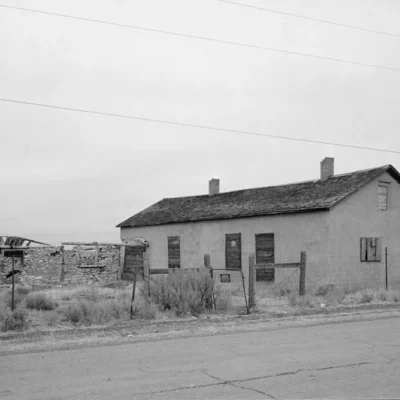
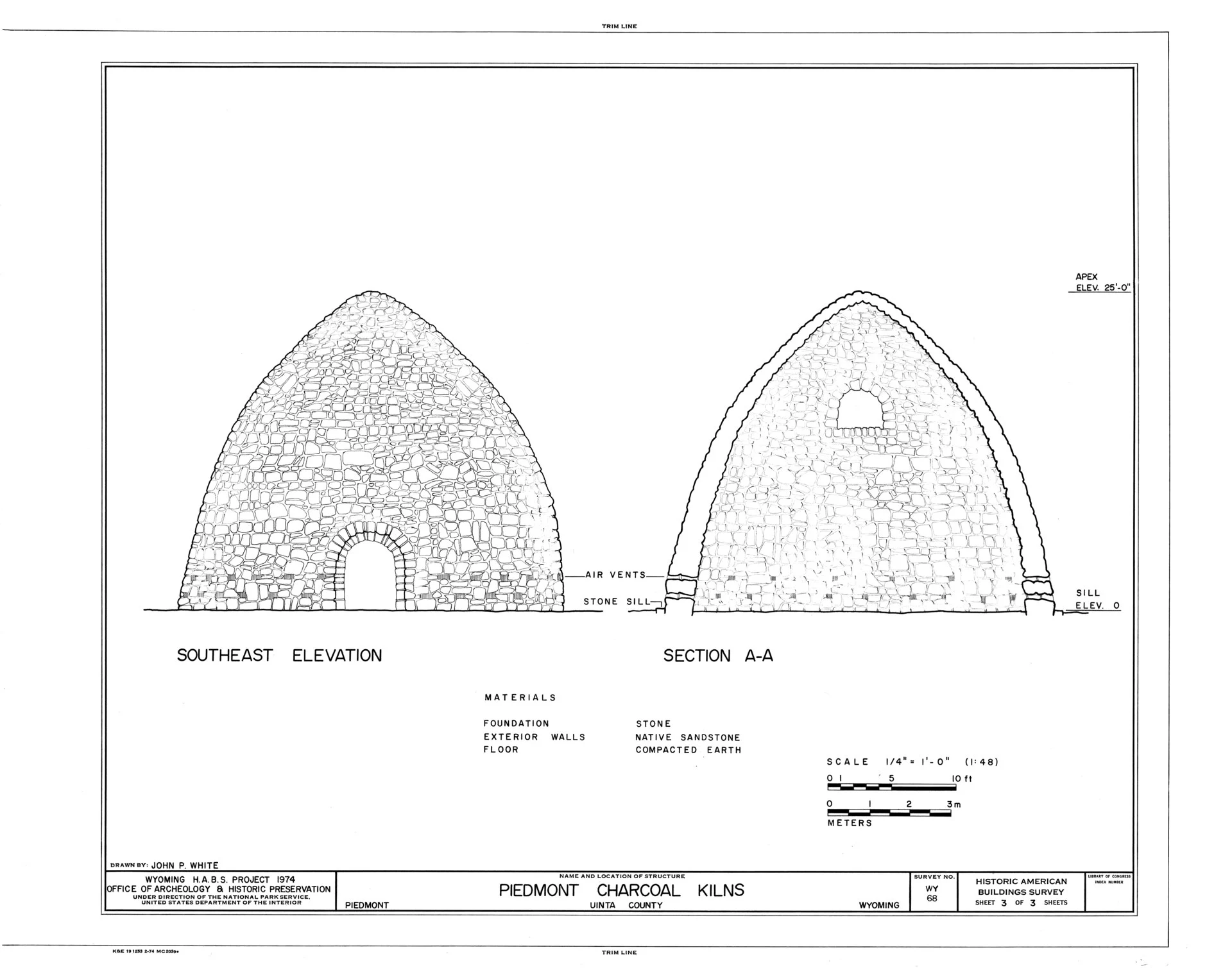
Piedmont Charcoal Kilns preserves three massive beehive-shaped stone kilns built in 1869 to produce charcoal for iron smelting during the construction of the transcontinental railroad. Each kiln stands 30 feet tall and could produce 1,800 bushels of charcoal per burn — a 10-day process that consumed 35 cords of wood! The kilns were built by Moses Byrne, who shipped charcoal to the iron furnaces in nearby Piedmont. These are among the best-preserved charcoal kilns in the American West — monuments to the industrial infrastructure that made the transcontinental railroad possible.
Visitor Information
| Detail | Information |
|---|---|
| Location | Uinta County, WY |
| Entry Fee | Free |
| Size | 30 feet tall beehive kilns! |
| Output | 1,800 bushels per 10-day burn! |
About Piedmont Kilns
Piedmont Charcoal Kilns in Uinta County preserve three massive stone beehive-shaped kilns built in 1869 to produce charcoal for the Union Pacific Railroad’s iron smelters. Each kiln is 30 feet tall and could produce 1,500 bushels of charcoal per firing. The kilns consumed entire forests of juniper and pine — a reminder of the environmental cost of industrializing the frontier. They’re among the best-preserved charcoal kilns in the West.
Things to Do
Photographing the three massive beehive kilns (30 feet tall each), exploring the industrial archaeology, hiking, and learning about the environmental impact of frontier railroad operations.
Insider Tips
Railroad industry: The Piedmont Charcoal Kilns (1869) produced charcoal for the Union Pacific Railroad’s iron smelting operations — three massive stone beehive kilns still stand. Pro tip: The kilns burned local timber to produce charcoal for iron processing at nearby furnaces. Deforestation: The railroad’s appetite for timber (ties, fuel, charcoal) stripped forests across Wyoming — visible regrowth scars remain.
Best Time to Visit
Summer: Best access — dirt road. Fall: Aspen foliage nearby. Year-round: Kilns visible. Spring: Wildflowers around ruins.
Frequently Asked Questions
How do charcoal kilns work?
Beehive kilns are sealed stone chambers where wood is slowly burned with limited oxygen — producing charcoal (nearly pure carbon) instead of ash. Charcoal burns hotter than wood, making it essential for iron smelting. The Piedmont kilns are 30 feet in diameter — each could produce 1,800 bushels of charcoal per burn cycle. The process consumed vast quantities of timber, contributing to Wyoming’s deforestation.
More parks in Wyoming: Fort Bridger and Bear River State Park. See the full Wyoming state parks guide.
🏭 Visit Piedmont Charcoal Kilns
30-foot beehives — charcoal for the transcontinental railroad!
Wildlife & Nature
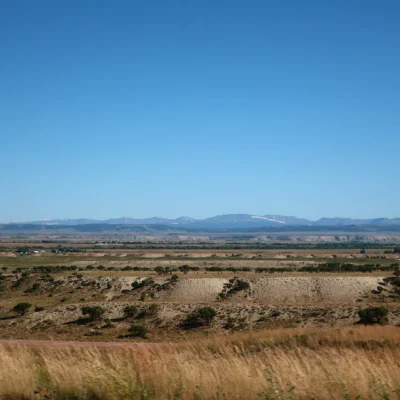
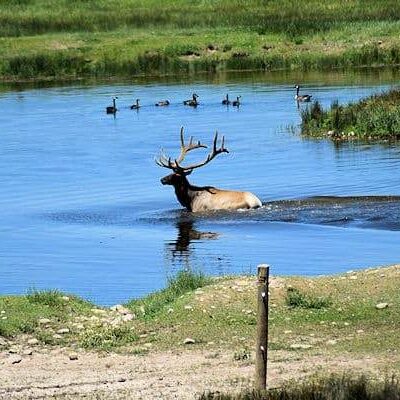
Piedmont Charcoal Kilns — three massive stone kilns built in 1869 to supply charcoal for the transcontinental railroad. The kilns’ high desert, sagebrush, and mountain terrain support pronghorn, mule deer, and sage grouse.
Nearby Attractions
Evanston — nearby. Uinta County — surrounding.

🐾 Dogs & Pets at Piedmont Charcoal Kilns
- Pets allowed? statewide rule
- Pets are welcome in Wyoming state parks, historic sites and recreation areas, but must be in a vehicle or on a leash whenever outside a camping unit.
- Leash rule statewide rule
- Leash no longer than 10 feet, physically controlled at all times (statewide rule)
- Beaches & swim areas statewide rule
- Pets are prohibited on designated beach areas statewide
- Cabins & lodging statewide rule
- Pets are prohibited in public buildings, eating places and food stores; no statewide pet-lodging policy published
- Statewide exceptions statewide rule
- Guide dogs are exempt; hunting dogs allowed where hunting is permitted; pets may not be left unattended longer than one hour; pets are prohibited in the reservoirs at Curt Gowdy State Park
Are dogs allowed at Piedmont Charcoal Kilns?
Pets are welcome in Wyoming state parks, historic sites and recreation areas, but must be in a vehicle or on a leash whenever outside a camping unit. Individual parks can post stricter rules — check signage on arrival.
Rules verified July 2026 via wyoparks.wyo.gov. More: Wyoming state parks guide · Dog rules in all 50 states compared
Park Location
Plan your gear for Piedmont Charcoal Kilns
From our editorial guides, matched to this park’s activities: