
🌤 Weather at Roraback Wildlife Management Area by season
| Spring | Summer | Fall | Winter |
|---|---|---|---|
| 23–69 °F | 53–82 °F | 29–72 °F | 15–38 °F |
Each range runs from the coldest monthly average low to the warmest monthly average high in that season (1991-2020 climate normals), measured at Bakersville, 7 mi away, elevation 686 ft. Conditions at the park can differ from the station, especially where elevation differs — check a forecast before you go.

🏆 Litchfield Hills Habitat — Upland forest and wetland in the scenic Litchfield Hills
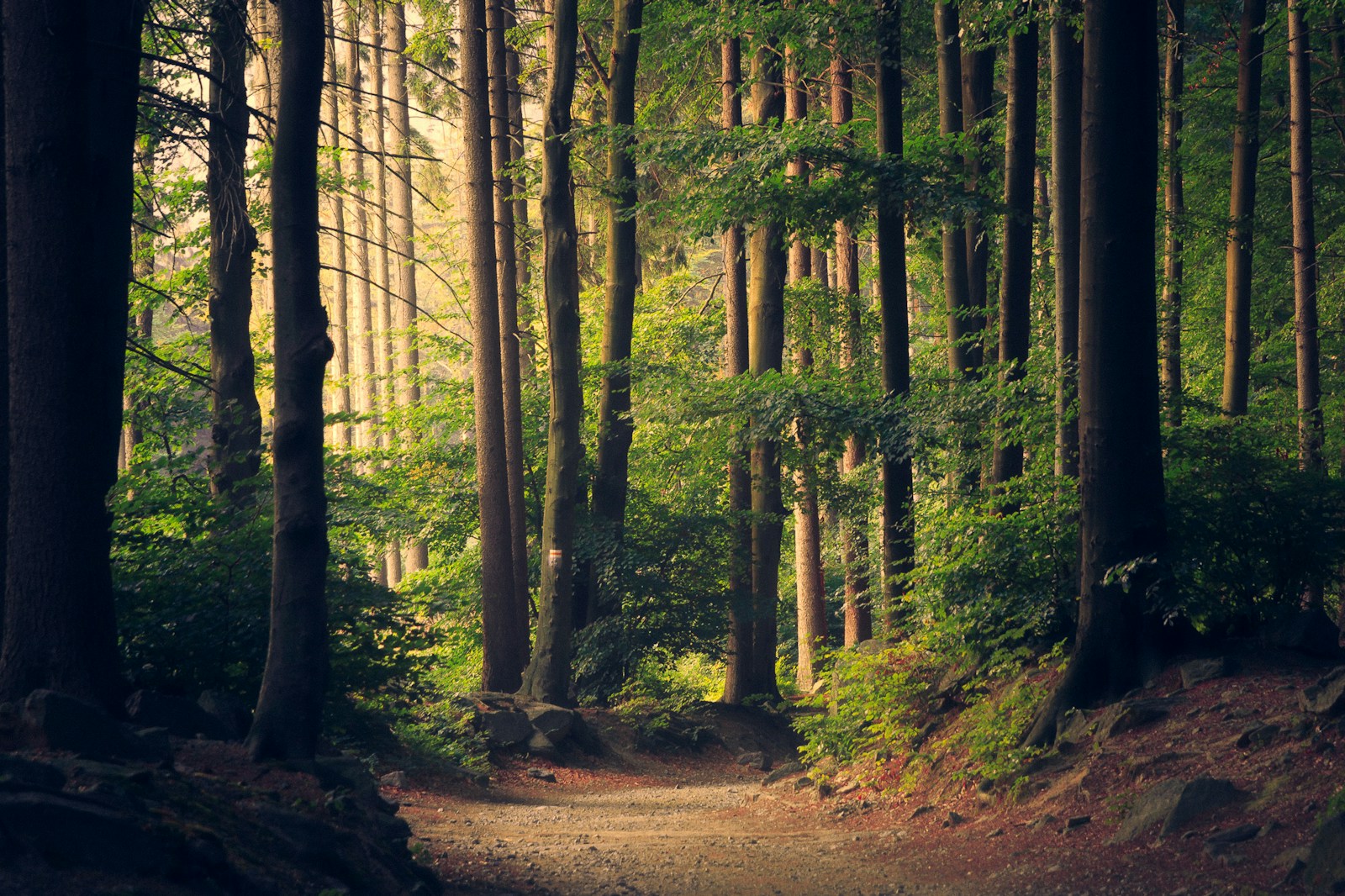
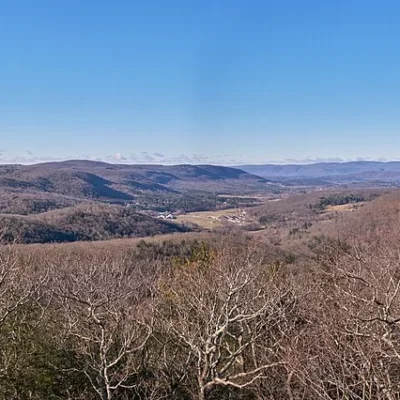
Roraback Wildlife Management Area protects upland forest and wetland habitat in the Litchfield Hills of northwest Connecticut. The mixed hardwood forest and beaver-created wetlands support diverse wildlife. The area is named for the Roraback family, prominent in Connecticut politics and conservation throughout the 20th century.
Visitor Information
| Detail | Information |
|---|---|
| Location | Litchfield Hills, CT |
| Entry Fee | Free |
| Habitat | Hardwood forest, beaver wetlands |
About Roraback WMA
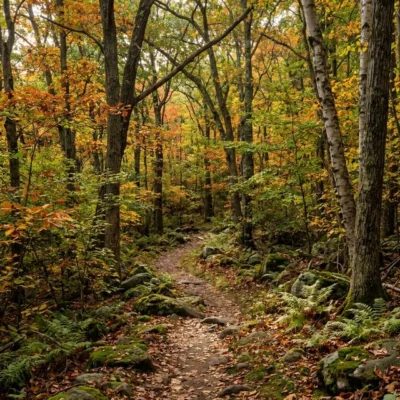
Roraback Wildlife Management Area in Harwinton covers forested hillside in the Litchfield Hills. The mixed hardwood forest with hemlock ravines provides habitat for Connecticut’s recovering wildlife populations including black bears, fishers, and bobcats — species that have returned as forests matured across the state.
Roraback Wildlife Management Area in Harwinton preserves 900+ acres of forest and wetland in the western Connecticut highlands. The area is one of the largest contiguous WMAs in the state and supports forest-interior species that require large, unbroken tracts — including barred owls, broad-winged hawks, and black bears (which have recolonized Connecticut, with the population reaching ~1,200 animals).
Things to Do
Hunting (deer, turkey, bear), hiking through the forest, birdwatching, and fall foliage viewing. The Litchfield Hills offer excellent seasonal scenery.
Hunting (deer, turkey, bear — seasonal), birdwatching for forest-interior species, hiking through large unbroken forest, and wildlife viewing for black bears and other returning large mammals.
Insider Tips
Scenic setting: Roraback sits in the beautiful Litchfield Hills — Connecticut’s most picturesque region. Pro tip: Combine with a drive through the Litchfield town green — one of the most photographed village greens in New England. Seasonal tip: The WMA’s managed fields bloom with goldenrod and asters in September — prime monarch butterfly migration.
Best Time to Visit
September: Monarch butterfly migration through goldenrod fields. October: Peak Litchfield Hills foliage. Spring: Woodcock sky dances at dusk. Winter: Quiet woodland walks and animal tracking.
Frequently Asked Questions
What is the Litchfield Hills region?
Connecticut’s northwest corner — rolling hills, covered bridges, white-steepled churches, and some of New England’s finest foliage. Often compared to Vermont but with easier access from New York City (90 minutes).
Wildlife & Nature
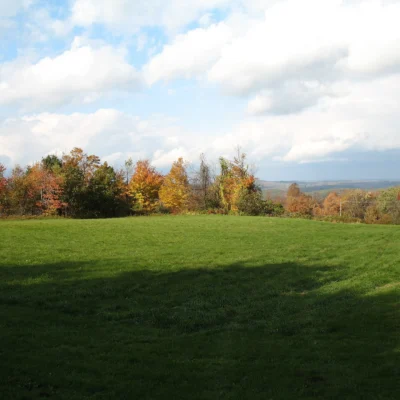
Roraback WMA provides managed wildlife habitat in the Litchfield Hills — one of Connecticut’s most scenic and ecologically diverse regions. The hills rise to 1,400+ feet, creating cooler microclimates that support northern species at the edge of their range. Forest management creates a patchwork of age classes — from open meadow to young forest to mature woodland — maximizing wildlife diversity. American kestrels — North America’s smallest falcon — hover over meadows hunting insects and mice. Their population has declined 53% since 1966, possibly due to pesticide exposure and competition with Cooper’s hawks. The area supports breeding ruffed grouse and woodcock — both species require early successional habitat maintained through active management.
Nearby Attractions
White Memorial Conservation Center in Litchfield — Connecticut’s largest nature center — offers 35 miles of trails. Litchfield is one of America’s most beautiful colonial villages. Bantam Lake provides water recreation. Lake Waramaug State Park offers scenic lake camping. Topsmead State Forest features the Chase Tudor cottage and wildflower meadows. Haight-Brown Vineyard — Connecticut’s oldest — serves wines with Litchfield Hills views.
Keep exploring: The closest neighbors are Stillwater Pond State Park (a short drive away) and Sunnybrook State Park (a short drive away).

🐾 Dogs & Pets at Roraback Wildlife Management Area
- Pets allowed? statewide rule
- Pets on a leash are permitted in most Connecticut state parks and forests, but not in buildings, swimming areas or state park campgrounds.
- Leash rule statewide rule
- Pets must be leashed and under control at all times; in state forest camping areas the leash may be no longer than 7 feet.
- Beaches & swim areas statewide rule
- Pets are prohibited in swimming areas; Sherwood Island and Squantz Pond State Parks ban pets entirely April 15 - September 30.
- Cabins & lodging statewide rule
- Pets are banned from all state park campgrounds; they are allowed only in the American Legion, Pachaug and Salt Rock state forest campgrounds, but not on rustic cabin sites.
- Statewide exceptions statewide rule
- Pets prohibited year-round at Dinosaur State Park and in the formal gardens and beach at Harkness Memorial State Park.
Are dogs allowed at Roraback Wildlife Management Area?
Pets on a leash are permitted in most Connecticut state parks and forests, but not in buildings, swimming areas or state park campgrounds. Individual parks can post stricter rules — check signage on arrival.
Rules verified July 2026 via portal.ct.gov. More: Connecticut state parks guide · Dog rules in all 50 states compared
Park Location
Plan your gear for Roraback Wildlife Management Area
From our editorial guides, matched to this park’s activities:
Top Tours & Activities Near Connecticut
 from $100
 from $28from $75