Sanilac Petroglyphs Historic State Park
Overview: 1,400-Year-Old Rock Carvings in the Thumb
Hidden in a quiet, forested corner of Michigan’s Thumb region near Cass City, the Sanilac Petroglyphs Historic State Park protects the largest known collection of Native American rock carvings (petroglyphs) in the state of Michigan. More than 100 individual carvings—handprints, animal tracks, birds, spirals, human figures, and an archer known as Ebmodaakowet—are inscribed on a large sandstone outcrop that was exposed after the catastrophic Thumb Fire of 1881 swept through the region, stripping away the vegetation that had concealed the carvings for centuries.
Known as ezhibiigaadek asin (“written on stone”) in the Anishinaabemowin language, these petroglyphs are believed to span a period of 300 to 1,400 years and remain culturally and spiritually significant to the Anishinabek people. The 240-acre park is co-managed by the Michigan Department of Natural Resources (through the Michigan History Center) and the Saginaw Chippewa Indian Tribe of Michigan—a partnership that reflects the carvings’ enduring importance to both the state’s historical record and the living Indigenous communities that created them.
The Petroglyphs
What You’ll See
The petroglyphs are carved into a large, flat sandstone outcrop that is now protected under a roofed enclosure to shield the fragile carvings from weather erosion. The soft sandstone surface bears more than 100 individual carvings, including:
- Handprints: Multiple carved handprints, possibly serving as signatures or spiritual markers
- Animal Tracks: Deer, bird, and other animal track representations connected to hunting traditions and spiritual practices
- The Archer (Ebmodaakowet): A human figure depicted in the act of drawing a bow—one of the most detailed and recognizable figures in the collection
- Spirals and Geometric Patterns: Abstract designs whose meanings may relate to astronomical observations, clan markings, or spiritual teachings
- Birds and Human Figures: Various representations that connect to Anishinabek cosmology and oral tradition
Cultural Significance
The petroglyphs are not merely historical artifacts—they remain sacred to the Anishinabek people and represent a living connection to ancestral teachings, spiritual practices, and cultural identity. Visitors should approach the site with the same respect they would bring to any place of worship or cultural significance. Photography of the petroglyphs themselves is typically permitted, but touching the carvings is strictly prohibited, as even light contact accelerates erosion of the soft sandstone.
The Thumb Fire of 1881
The petroglyphs were discovered by European settlers only after the Great Thumb Fire of September 1881—one of the most devastating wildfire events in American history. Fueled by years of slash (logging debris) left across the cutover landscape, the fire burned approximately one million acres across Michigan’s Thumb in a single day, killing at least 282 people and destroying countless homes, farms, and communities. The fire stripped the soil and vegetation from the sandstone outcrop, exposing the petroglyphs that had been hidden beneath centuries of accumulated forest floor material.
The Interpretive Trail (1.5 Miles)
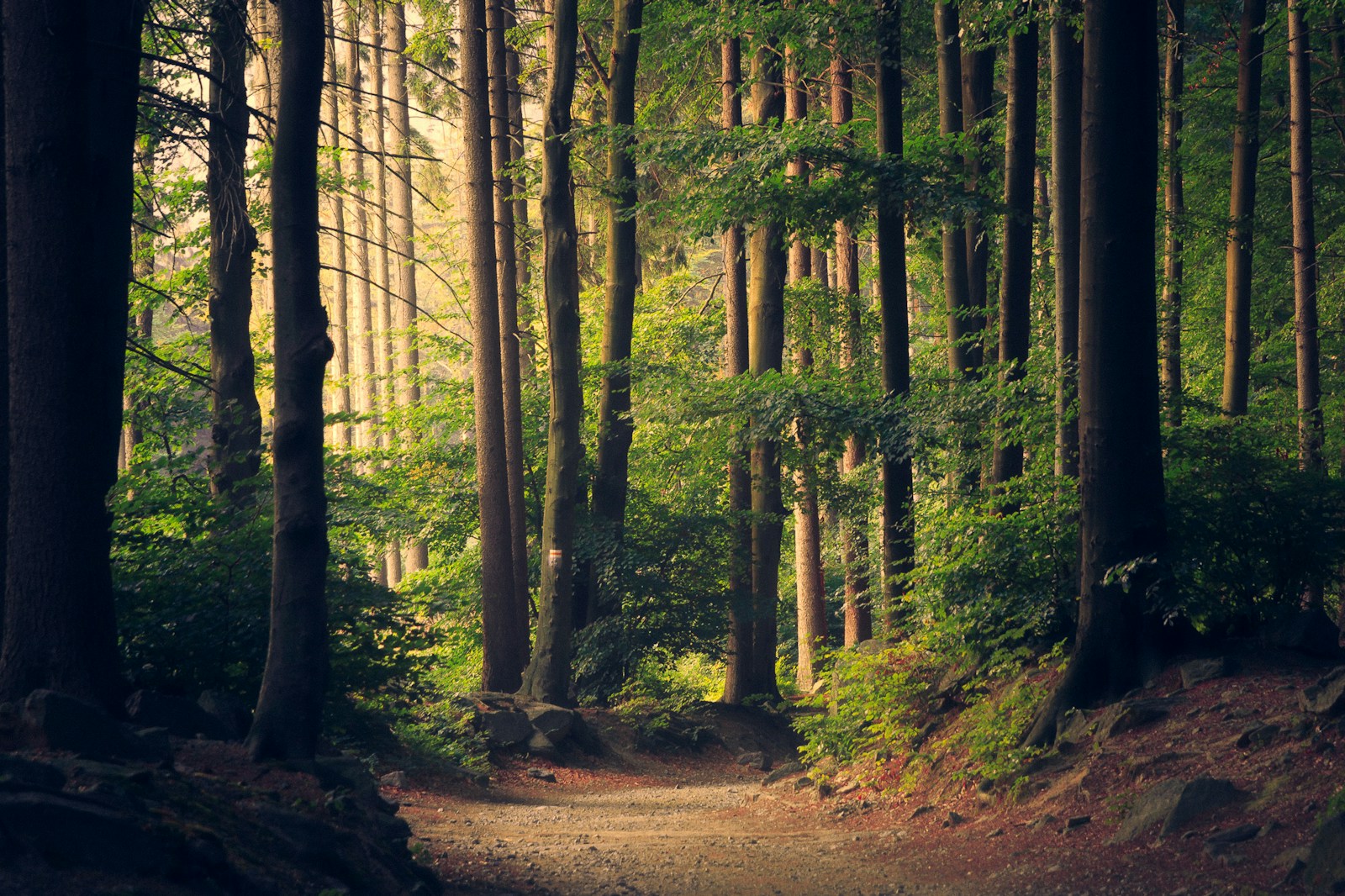
Beyond the petroglyph enclosure, a 1.5-mile self-guided interpretive hiking trail loops through the surrounding 240-acre park, crossing a branch of the Little Cass River and passing through a recovering forest that has regrown since the 1881 fire. Interpretive signage along the trail explains the ecology, history, and cultural context of the site, providing a broader understanding of the landscape that the petroglyph creators inhabited.
Visiting the Petroglyphs
- Address: 8251 Germania Road, Cass City, MI 48726
- Admission: Free—no Michigan Recreation Passport required
- Season: The petroglyphs are typically accessible for public viewing on a seasonal basis (approximately late May through early October). Check the Michigan DNR website for current hours.
- Camping: None at this park. Nearby state parks (Port Crescent, Sleeper) offer camping facilities.
- Duration: Allow 1–2 hours for the petroglyph viewing and interpretive trail combined.
- Accessibility: The petroglyph enclosure is accessible. The trail is natural-surface and may be challenging for wheelchairs.
Frequently Asked Questions
How old are the petroglyphs? Archaeologists estimate the carvings were created over a period spanning 300 to 1,400 years ago by ancestors of the Anishinabek people.
Can I touch the carvings? No. The sandstone is extremely soft and fragile. Even light human contact accelerates erosion. The carvings are protected under a roofed enclosure and must be viewed without physical contact.
Is there an entrance fee? No. Admission is free, and a Michigan Recreation Passport is not required.
What is ezhibiigaadek asin? The Anishinaabemowin (Ojibwe language) name for the petroglyphs, meaning “written on stone.” The name reflects the carvings’ enduring cultural significance to the Anishinabek people.
How were the petroglyphs discovered? The carvings were exposed after the catastrophic Thumb Fire of 1881 burned away the vegetation and soil that had concealed the sandstone outcrop for centuries.