🌤 Weather at Sappington Cemetery State Historic Site by season
| Spring | Summer | Fall | Winter |
|---|---|---|---|
| 32–75 °F | 64–88 °F | 33–79 °F | 19–42 °F |
Each range runs from the coldest monthly average low to the warmest monthly average high in that season (1991-2020 climate normals), measured at Marshall, 13 mi away, elevation 790 ft. Conditions at the park can differ from the station, especially where elevation differs — check a forecast before you go.

🏆 Missouri History — Historic cemetery near Arrow Rock — burial site of the Sappington family, including Dr. John Sappington who pioneered the use of quinine to treat malaria on the frontier, saving thousands of lives!
Visitor Information
| Detail | Information |
|---|---|
| Location | Missouri |
| Entry Fee | Free admission! |
About Sappington Cemetery
Sappington Cemetery State Historic Site in Saline County preserves the burial ground of the Sappington family — prominent early Missouri settlers. Dr. John Sappington was famous for promoting quinine as a malaria treatment in the 1830s, when “the shakes” killed thousands of frontier settlers each year. He manufactured quinine pills and sold them across the Mississippi Valley, saving countless lives. The cemetery includes graves of several Missouri governors.
Things to Do
Visiting the historic cemetery, learning about Dr. Sappington’s quinine revolution, viewing the graves of Missouri governors and frontier notables, and reflecting on the health challenges of frontier life.
Visiting Today
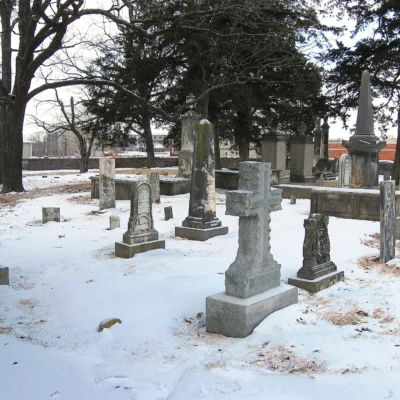
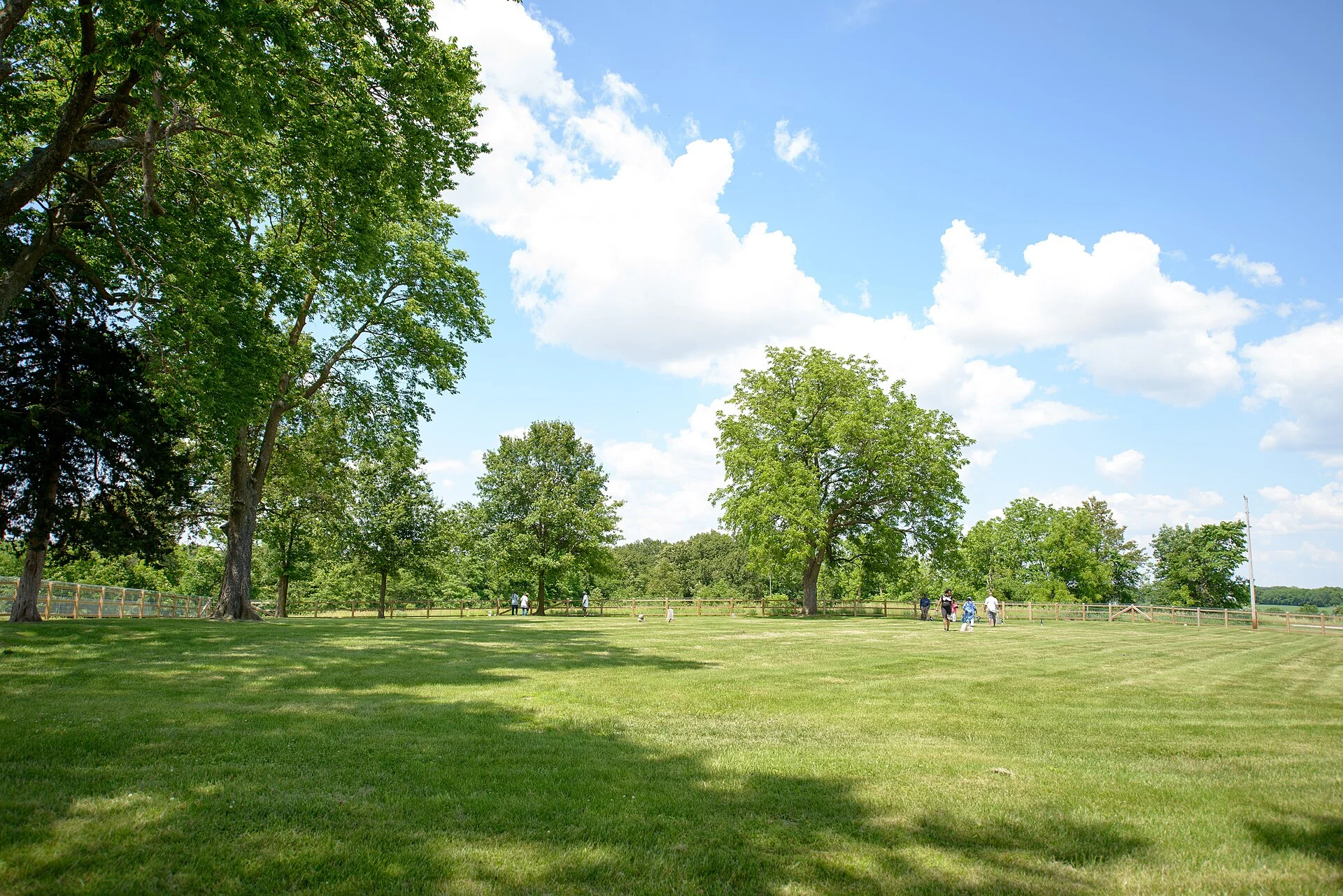
The shaded cemetery on the bluffs above the Missouri River includes graves of three Missouri governors and the tombstone of Dr. John Sappington — the quinine pioneer who saved thousands from malaria. Interpretive panels tell the Sappington family story. A quiet, contemplative stop in Arrow Rock country.
Getting There
Located near Arrow Rock in Saline County, via Highway 41. Arrow Rock itself is a National Historic Landmark village — Missouri’s most intact 19th-century settlement. The Lyceum Theatre offers professional summer stock theater. Combine with Arrow Rock State Historic Site for a full day of Missouri frontier heritage.
Insider Tips
Pioneer family: The Sappington Cemetery holds the graves of the Sappington family — prominent early Missouri settlers. Pro tip: Dr. John Sappington was a pioneer in malaria treatment — he was among the first American doctors to use quinine, saving thousands of lives on the malarial frontier. Frontier medicine: Malaria killed more frontier settlers than any other disease — the Missouri and Mississippi river bottoms were notorious “fever swamps.”
Best Time to Visit
Spring/fall: Comfortable visiting weather. Year-round: Always accessible. Memorial Day: Historical context. Summer: Full daylight hours.
Frequently Asked Questions
Was malaria common in Missouri?
Malaria was endemic in Missouri through the 1800s — the Mississippi and Missouri river bottomlands bred enormous mosquito populations. “Ague” (malarial fever) was so common that frontier families expected it. Dr. John Sappington of Arrow Rock sold quinine pills across the frontier — his “Anti-Fever Pills” saved thousands. Malaria wasn’t eliminated from Missouri until the 1930s through drainage and mosquito control.
Keep exploring: The closest neighbors are Route 66 State Park (a short drive away) and Castlewood State Park (a short drive away).
Wildlife & Nature
Sappington Cemetery SHS — preserves the burial site of the Sappington family, including Dr. John Sappington who pioneered the use of quinine to treat malaria in the 1830s. Songbirds inhabit the surrounding trees.
Nearby Attractions
Arrow Rock SHS — nearby. Boonville — nearby.

🐾 Dogs & Pets at Sappington Cemetery State Historic Site
- Pets allowed? statewide rule
- Responsible pet owners and their pets are welcome in Missouri state parks and historic sites, with pets leashed and under control.
- Leash rule statewide rule
- Leash not longer than 10 feet required at all times; portable fences and shock collars do not satisfy the requirement.
- Beaches & swim areas statewide rule
- Pets are not allowed in public swimming areas or on beaches.
- Cabins & lodging statewide rule
- The 'Cabins for Canines' program opens about 30% of lodging units to dogs (max two dogs per unit) at roughly 15 participating parks including Lake of the Ozarks, Bennett Spring, Echo Bluff and Roaring River; per-dog per-night fee varies by unit type.
- Pet fees statewide rule
- No day-use pet fee; Cabins for Canines charges a per-dog, per-night lodging fee (varies by unit).
- Statewide exceptions statewide rule
- Maximum two dogs per campsite; pets not allowed inside any park building.
Are dogs allowed at Sappington Cemetery State Historic Site?
Responsible pet owners and their pets are welcome in Missouri state parks and historic sites, with pets leashed and under control. Individual parks can post stricter rules — check signage on arrival.
Rules verified July 2026 via mostateparks.com. More: Missouri state parks guide · Dog rules in all 50 states compared