🌤 Weather at Sonoita Creek State Natural Area by season
| Spring | Summer | Fall | Winter |
|---|---|---|---|
| 40–88 °F | 62–97 °F | 40–90 °F | 34–68 °F |
Each range runs from the coldest monthly average low to the warmest monthly average high in that season (1991-2020 climate normals), measured at Nogales Intl Airport, 5 mi away, elevation 3,932 ft. Conditions at the park can differ from the station, especially where elevation differs — check a forecast before you go.

Arizona’s Premier Birding Destination — Sonoita Creek State Natural Area, 300+ Bird Species, Rare Fremont Cottonwood-Willow Riparian Forest, Adjacent to Patagonia Lake, Santa Cruz County
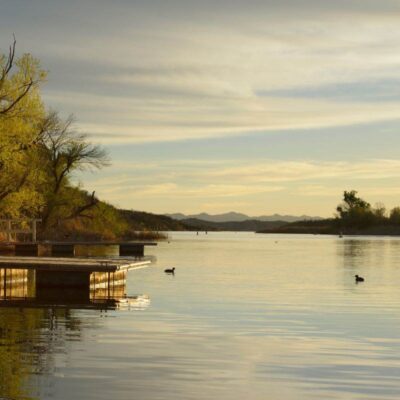
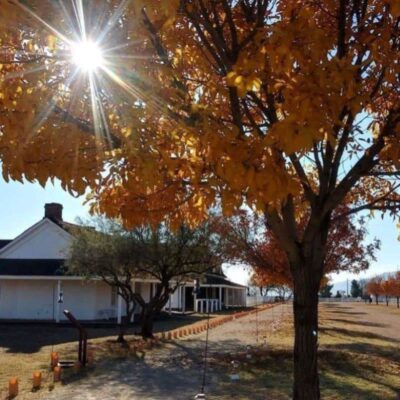
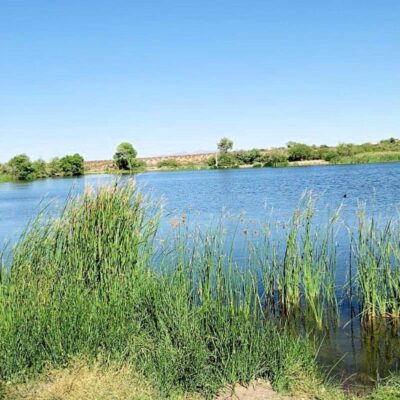
Sonoita Creek State Natural Area is a protected riparian preserve in Santa Cruz County, Arizona, adjacent to Patagonia Lake State Park. This area protects one of Arizona’s last remaining Fremont cottonwood-Goodding’s willow riparian forests along lower Sonoita Creek — a habitat so significant it has been designated an internationally recognized Important Bird Area (IBA) with over 300 documented bird species. Key features include one of Arizona’s rarest riparian forest ecosystems, 300+ bird species including Gray Hawks, Elegant Trogons, and Violet-crowned Hummingbirds, backcountry hiking trails through riparian and high desert grasslands, permit-based access managed through Patagonia Lake State Park, and proximity to the Nature Conservancy’s Patagonia-Sonoita Creek Preserve.
Birding Paradise
Sonoita Creek is a year-round birding destination. Spring and summer bring migratory songbirds, warblers, and tanagers. Fall and winter draw raptors, sparrows, and the highly sought-after Elegant Trogon. The perennial water creates a “superhighway” for migratory birds through the otherwise arid landscape.
Riparian Ecosystem
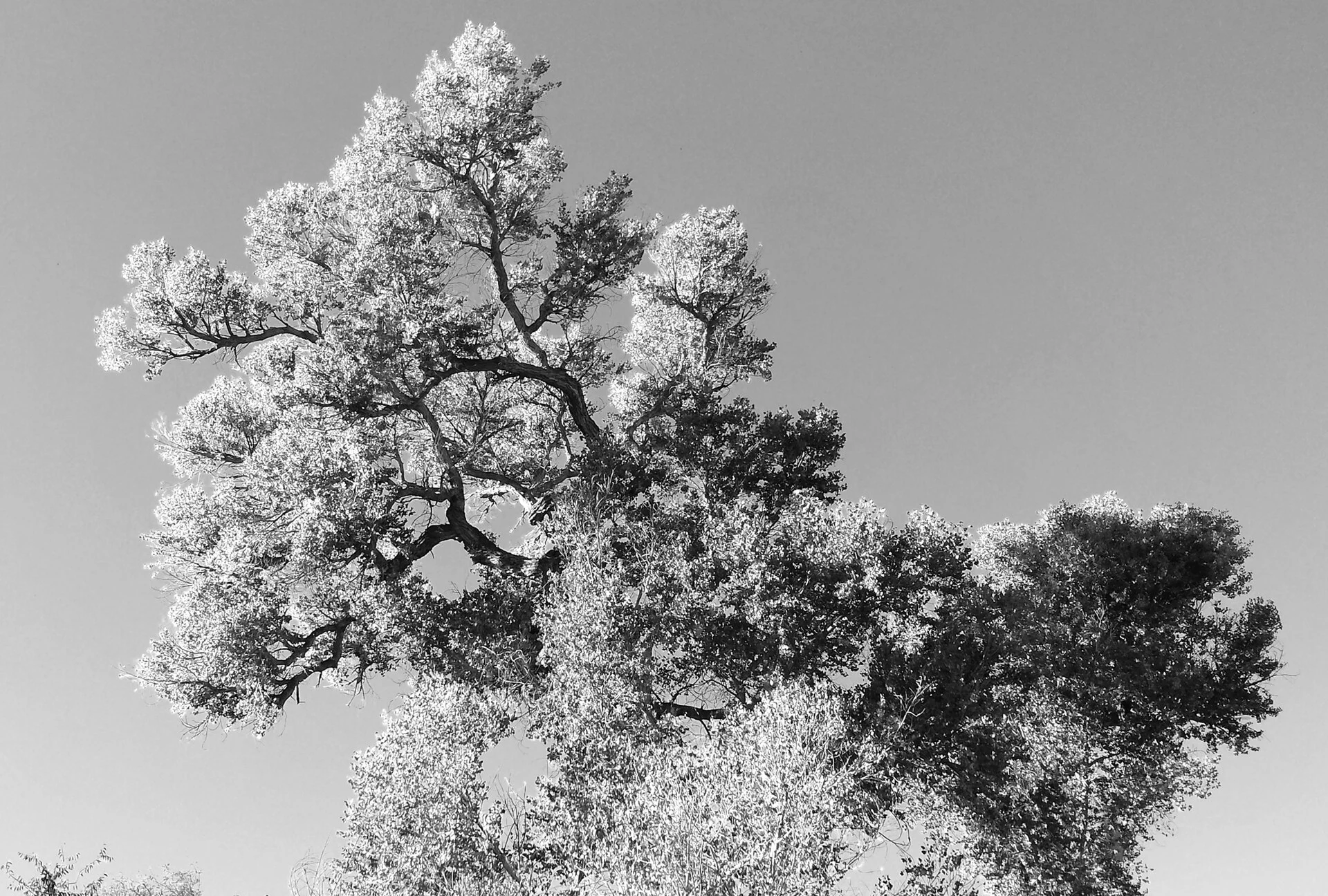
The cottonwood-willow forest along Sonoita Creek is one of fewer than a dozen intact examples remaining in Arizona. This ecosystem supports not just birds but also rare mammals, reptiles, and native fish — making it a critical conservation priority.
Frequently Asked Questions
Do I need a permit?
Yes, access permits are typically obtained at the Patagonia Lake State Park gatehouse.
When is the best time to visit?
Spring and fall migrations offer peak birding, but the area rewards visitors year-round.
Insider Tips
Cottonwood gallery: Sonoita Creek supports one of Arizona’s finest cottonwood-willow riparian forests — a rare habitat in the desert Southwest. Pro tip: Riparian areas cover less than 1% of Arizona but support 80% of the state’s wildlife. Patagonia: The nearby town of Patagonia is a renowned birding destination — the Patagonia-Sonoita Creek Preserve is world-famous among birders.
Frequently Asked Questions
Why are desert streams so important?
In the arid Southwest, riparian corridors are biological lifelines — supporting 80% of wildlife species on less than 1% of the landscape. Desert streams provide water, shade, food, and migration corridors. Cottonwood-willow forests along streams are among the most endangered ecosystems in North America — 90%+ have been lost to damming, diversion, and groundwater pumping. Every surviving riparian corridor in Arizona is ecologically irreplaceable.
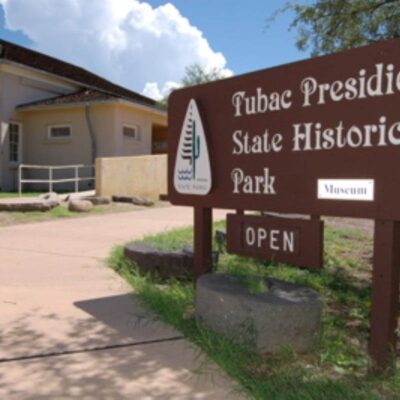
More parks nearby: Patagonia Lake State Park is a short drive away, while Tubac Presidio State Historic Park lies a short drive away.

🐾 Dogs & Pets at Sonoita Creek State Natural Area
- Pets allowed? statewide rule
- Dogs are allowed at most Arizona State Parks on trails and in campgrounds, though allowances vary by park and visitors should check individual park pages before traveling.
- Leash rule statewide rule
- Dogs must be tethered on a leash 6 feet or shorter at all times.
- Beaches & swim areas statewide rule
- No single statewide swim-beach rule; some parks provide designated dog beaches (e.g. Cattail Cove's dog beach).
- Cabins & lodging statewide rule
- Pet-friendly cabins and camping are offered at several parks (e.g. Alamo Lake, Dead Horse Ranch, Lyman Lake); dogs are not allowed in the cabins at Lost Dutchman State Park.
- Statewide exceptions statewide rule
- Buckskin Mountain and River Island State Parks have fenced off-leash dog parks for registered guests.
Are dogs allowed at Sonoita Creek State Natural Area?
Dogs are allowed at most Arizona State Parks on trails and in campgrounds, though allowances vary by park and visitors should check individual park pages before traveling. Individual parks can post stricter rules — check signage on arrival.
Rules verified July 2026 via azstateparks.com. More: Arizona state parks guide · Dog rules in all 50 states compared
Park Location
Plan your gear for Sonoita Creek State Natural Area
From our editorial guides, matched to this park’s activities: