
🌤 Weather at Umpqua State Scenic Corridor by season
| Spring | Summer | Fall | Winter |
|---|---|---|---|
| 36–70 °F | 47–84 °F | 38–78 °F | 33–50 °F |
Each range runs from the coldest monthly average low to the warmest monthly average high in that season (1991-2020 climate normals), measured at Idleyld Park 4 NE, 22 mi away, elevation 1,080 ft. Conditions at the park can differ from the station, especially where elevation differs — check a forecast before you go.

🏆 Scenic corridor along the North Umpqua River — legendary steelhead and salmon fishing on one of Oregon’s most pristine wild rivers.
Visitor Information
| Detail | Information |
|---|---|
| Location | Douglas County, Oregon |
| Entry Fee | Free (Oregon Coast) / Day-Use Permit |
About Umpqua Scenic Corridor
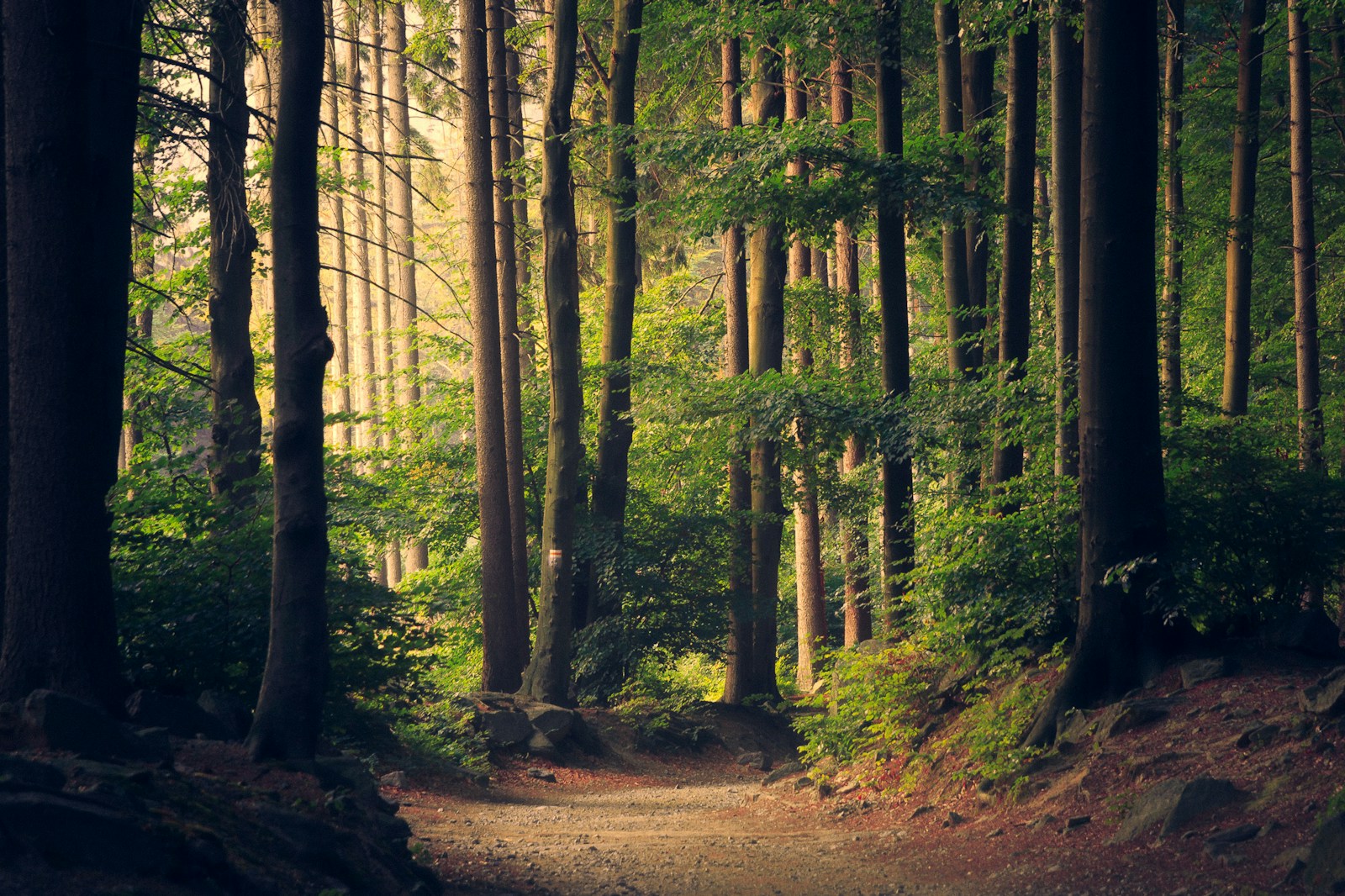
Umpqua State Scenic Corridor follows a beautiful stretch of the North Umpqua River through old-growth forest in the Cascade foothills of southern Oregon. The corridor protects some of the finest riverside scenery along Highway 138 — known locally as the “Highway of Waterfalls” for the many cascades along its route to Crater Lake.
Umpqua State Scenic Corridor in Douglas County preserves forest along the Umpqua River — one of Oregon’s great salmon and steelhead rivers. The Umpqua Valley is famous for its wine production (Oregon’s oldest wine region) and the North Umpqua River is considered one of the finest fly-fishing streams in the Pacific Northwest.
Things to Do
The North Umpqua is one of Oregon’s premier fly-fishing rivers, famous for its summer steelhead run. Sections of the 79-mile North Umpqua Trail pass through the corridor — offering world-class hiking and mountain biking. Scenic pullouts along the highway provide access to swimming holes and waterfalls. Toketee Falls and Watson Falls — two of the most spectacular waterfalls in Oregon — are nearby.
Driving through the scenic forest corridor, fishing in the Umpqua River, visiting Umpqua Valley wineries, and enjoying the southern Oregon forest landscape.
Getting There
Located along Highway 138 (North Umpqua Highway) east of Roseburg in Douglas County. Free roadside access.
Insider Tips
River corridor beauty: The Umpqua Scenic Corridor follows one of Oregon’s most diverse rivers — from mountain headwaters through wine country to the coast. Pro tip: The Umpqua supports wild populations of both winter and summer steelhead, coho salmon, and Chinook salmon. Wildlife viewing: Roosevelt elk herds are commonly seen in the Umpqua Valley — Oregon’s largest land mammal (bulls reach 1,000+ pounds).
Best Time to Visit
Fall: Salmon spawning and elk rutting. Summer: Swimming holes and fishing. Spring: Wildflowers and high water. Winter: Steelhead fishing and eagle watching.
Frequently Asked Questions
What is the difference between elk and deer?
Roosevelt elk are 4-5 times heavier than black-tailed deer (700-1,100 lbs vs 130-200 lbs). Elk have distinctive bugling calls during the fall rut that echo through Oregon’s valleys. The Roosevelt elk subspecies is found only in the Pacific Northwest.
Wildlife & Nature
Umpqua State Scenic Corridor protects forest and river scenery along the North Umpqua River — one of Oregon’s most legendary fly fishing rivers. The North Umpqua’s Camp Water stretch is where legendary angler Zane Grey (the Western novelist) fished summer steelhead in the 1920s and 1930s — his writings helped establish the river’s international reputation. The river’s emerald-green water — colored by dissolved volcanic minerals — creates one of the most photogenic rivers in the Pacific Northwest. The river supports wild runs of summer steelhead, spring Chinook, and coho salmon. American dippers bob on mid-stream rocks. The surrounding old-growth Douglas fir forest includes 500-year-old giants. Pacific giant salamanders — reaching 14 inches — inhabit the forest floor.
Nearby Attractions
North Umpqua Trail — 79 miles of premier hiking and mountain biking — follows the river from near Roseburg to the Cascades. Toketee Falls (113 feet) — dropping over columnar basalt into an emerald pool — is one of Oregon’s most photographed waterfalls. Watson Falls (272 feet) is the third-highest waterfall in Oregon. Crater Lake National Park is 60 miles east. Steamboat Inn — perched above the river — has been a legendary fisherman’s retreat for decades. Diamond Lake offers mountain lake recreation.
Keep exploring: The closest neighbors are Bonnie Lure State Recreation Site (within about an hour’s drive) and Golden and Silver Falls State NPS (within about an hour’s drive).

🐾 Dogs & Pets at Umpqua State Scenic Corridor
- Pets allowed? statewide rule
- Pets are welcome in Oregon state parks and on most ocean beaches but must be leashed except in designated off-leash areas.
- Leash rule statewide rule
- Leash no longer than 6 feet required in developed park areas
- Beaches & swim areas statewide rule
- Pets are allowed on most ocean beaches under direct control; western snowy plover nesting areas restrict pets March 15 - Sept. 15; leash required on the beach at some parks (e.g. Cape Lookout)
- Cabins & lodging statewide rule
- Designated pet-friendly yurts and cabins at many parks (South Beach has 14 pet-friendly yurts, Tugman 8); maximum two dogs and/or cats; $10 per night pet fee
- Pet fees statewide rule
- $10 per night for pet-friendly yurts/cabins; no pet fee for day use or campsites
- Statewide exceptions statewide rule
- Pets prohibited at Dabney SRA, the Trail of Ten Falls at Silver Falls, and Shore Acres; off-leash areas at Stub Stewart, Willamette Mission, Elijah Bristow, Cottonwood Canyon and LaPine
Are dogs allowed at Umpqua State Scenic Corridor?
Pets are welcome in Oregon state parks and on most ocean beaches but must be leashed except in designated off-leash areas. Individual parks can post stricter rules — check signage on arrival.
Rules verified July 2026 via stateparks.oregon.gov. More: Oregon state parks guide · Dog rules in all 50 states compared
Park Location
Plan your gear for Umpqua State Scenic Corridor
From our editorial guides, matched to this park’s activities:
Top Tours & Activities Near Eugene
 from $525
 from $20
 from $750