
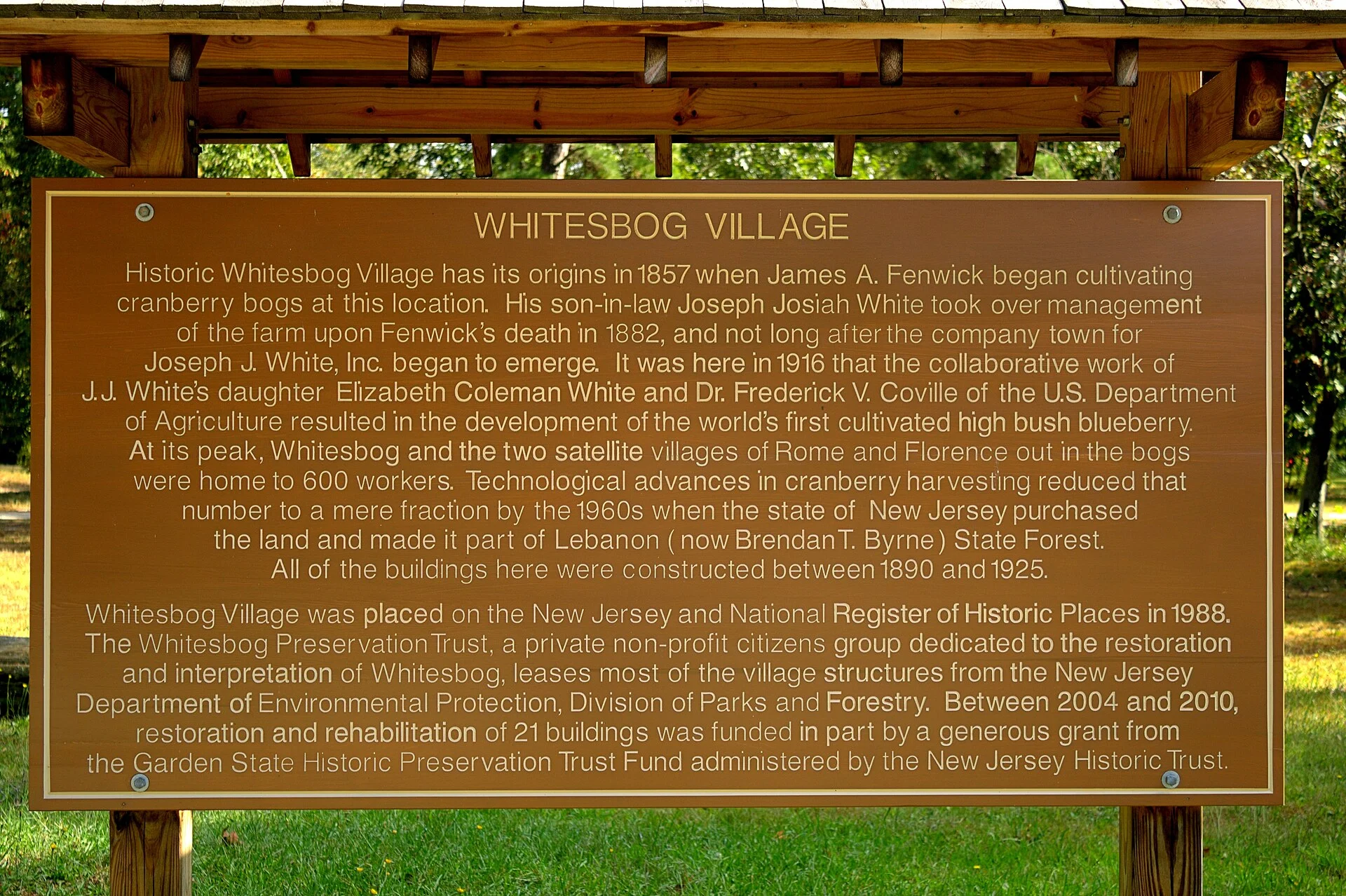
Whitesbog Village
🌤 Weather at Whitesbog Village by season
| Spring | Summer | Fall | Winter |
|---|---|---|---|
| 28–71 °F | 58–86 °F | 32–77 °F | 22–47 °F |
Each range runs from the coldest monthly average low to the warmest monthly average high in that season (1991-2020 climate normals), measured at Toms River, 16 mi away, elevation 10 ft. Conditions at the park can differ from the station, especially where elevation differs — check a forecast before you go.

Birthplace of the Cultivated Blueberry — Historic Cranberry and Blueberry Village in the New Jersey Pine Barrens, Largest Cranberry Farm in NJ in Early 1900s, Where Elizabeth White and Dr. Coville First Cultivated Highbush Blueberry in 1916, Historic Workers’ Cottages and Cranberry Sorting Buildings, Cranberry Bogs and Blueberry Fields Open for Walking, Hiking and Nature Trails Through Pine Barrens, Seasonal Blueberry Festival and Educational Programs, Within Brendan T. Byrne State Forest, Near Browns Mills Burlington County New Jersey
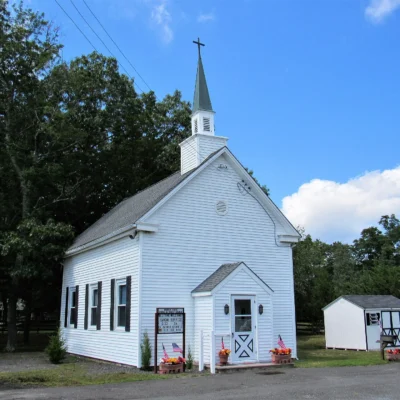
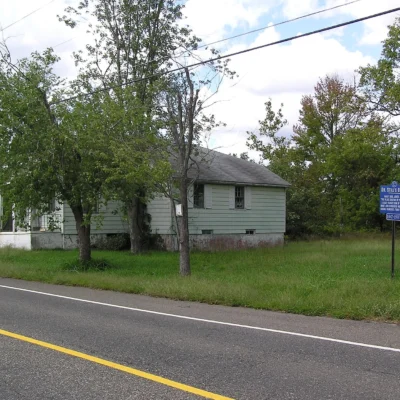
Whitesbog Village is a historic site within Brendan T. Byrne State Forest near Browns Mills, Burlington County, New Jersey, managed by the New Jersey Department of Environmental Protection (DEP) with preservation by the Whitesbog Preservation Trust. The site features the birthplace of cultivated highbush blueberry — where Elizabeth Coleman White and Dr. Frederick Coville first successfully developed and cultivated the highbush blueberry in 1916, historic workers’ cottages, cranberry sorting buildings, and a general store from the early 1900s, active cranberry bogs and blueberry fields open for walking and photography, hiking and nature trails through the surrounding Pine Barrens ecosystem, seasonal events including a popular blueberry festival, educational programs and guided tours about cranberry and blueberry agriculture, and a peaceful setting in one of the largest remaining tracts of undeveloped land on the Atlantic Coastal Plain.
Whitesbog was the largest cranberry farm in New Jersey in the early 1900s — and its global significance comes from being where the cultivated blueberry was born. Elizabeth White’s collaboration with USDA botanist Dr. Coville produced the first commercial highbush blueberry cultivars that now form the basis of a multi-billion-dollar worldwide industry.
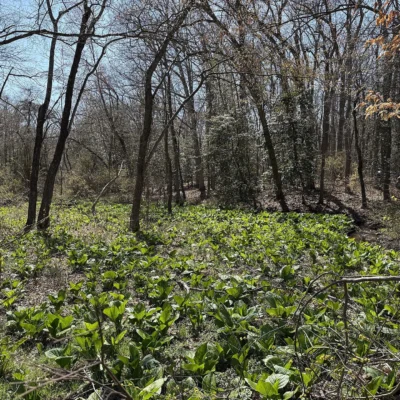
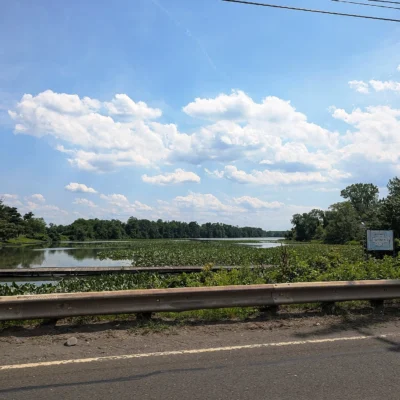
The historic village is beautifully preserved — cranberry bogs and blueberry fields stretch in every direction, and the Pine Barrens setting provides excellent birding and wildlife viewing.
What to See
- Blueberry birthplace — 1916 cultivation site
- Historic village — workers’ cottages, sorting buildings
- Cranberry bogs — active, walkable
- Pine Barrens trails — hiking and nature
- Blueberry festival — seasonal
- Guided tours — educational programs
Site Information
| Feature | Details |
|---|---|
| Location | Browns Mills, Burlington County, NJ |
| Type | Historic site within Brendan T. Byrne SF |
| Significance | Birthplace of cultivated blueberry (1916) |
| Activities | Walking, hiking, tours, festivals |
| Camping | ❌ No (available at Brendan T. Byrne SF) |
| Managed By | NJ DEP / Whitesbog Preservation Trust |
| Coordinates | 39.9767° N, 74.5267° W |
Frequently Asked Questions
Where was the blueberry first cultivated?
The cultivated highbush blueberry was first developed at Whitesbog Village in the New Jersey Pine Barrens in 1916 by Elizabeth Coleman White and USDA botanist Dr. Frederick Coville. This historic site within Brendan T. Byrne State Forest near Browns Mills features the original cranberry bogs and blueberry fields, historic workers’ cottages, hiking trails through Pine Barrens, a seasonal blueberry festival, and guided tours. Preserved by the Whitesbog Preservation Trust.
Last updated: May 2026
Make it a road trip: Pair a visit with Brendan T. Byrne State Forest (a short drive away) or Cream Ridge Golf Course (a short drive away).

🐾 Dogs & Pets at Whitesbog Village
- Pets allowed? statewide rule
- Pets are allowed in NJ state parks and forests on leash but are prohibited from buildings, swimming beaches and non-designated campsites.
- Leash rule statewide rule
- Leash 6 feet or less, with the pet under physical control at all times.
- Beaches & swim areas statewide rule
- Pets are prohibited from swimming beaches and swimming waters statewide.
- Cabins & lodging statewide rule
- Pets are prohibited from cabins/lodging; the Pet Friendly Camping Program designates campsites at 13 areas (e.g. Round Valley all sites, Allaire 1-8, Bass River 1-85, Stokes 101-137) for up to two dogs or cats per permit.
- Pet fees statewide rule
- $5.00 per night additional charge for a pet-friendly campsite; no day-use pet fee.
- Statewide exceptions statewide rule
- Pet Friendly Camping requires current rabies vaccination with written proof at check-in; caged birds/reptiles only allowed inside RVs.
Are dogs allowed at Whitesbog Village?
Pets are allowed in NJ state parks and forests on leash but are prohibited from buildings, swimming beaches and non-designated campsites. Individual parks can post stricter rules — check signage on arrival.
Rules verified July 2026 via dep.nj.gov. More: New Jersey state parks guide · Dog rules in all 50 states compared
Park Location
Plan your gear for Whitesbog Village
From our editorial guides, matched to this park’s activities:
Top Tours & Activities Near Philadelphia
 from $59
 from $595
 from $35