
🌤 Weather at Tall Pines State Preserve by season
| Spring | Summer | Fall | Winter |
|---|---|---|---|
| 31–74 °F | 59–87 °F | 34–78 °F | 24–47 °F |
Each range runs from the coldest monthly average low to the warmest monthly average high in that season (1991-2020 climate normals), measured at Indian Mills 2 W, 16 mi away, elevation 100 ft. Conditions at the park can differ from the station, especially where elevation differs — check a forecast before you go.

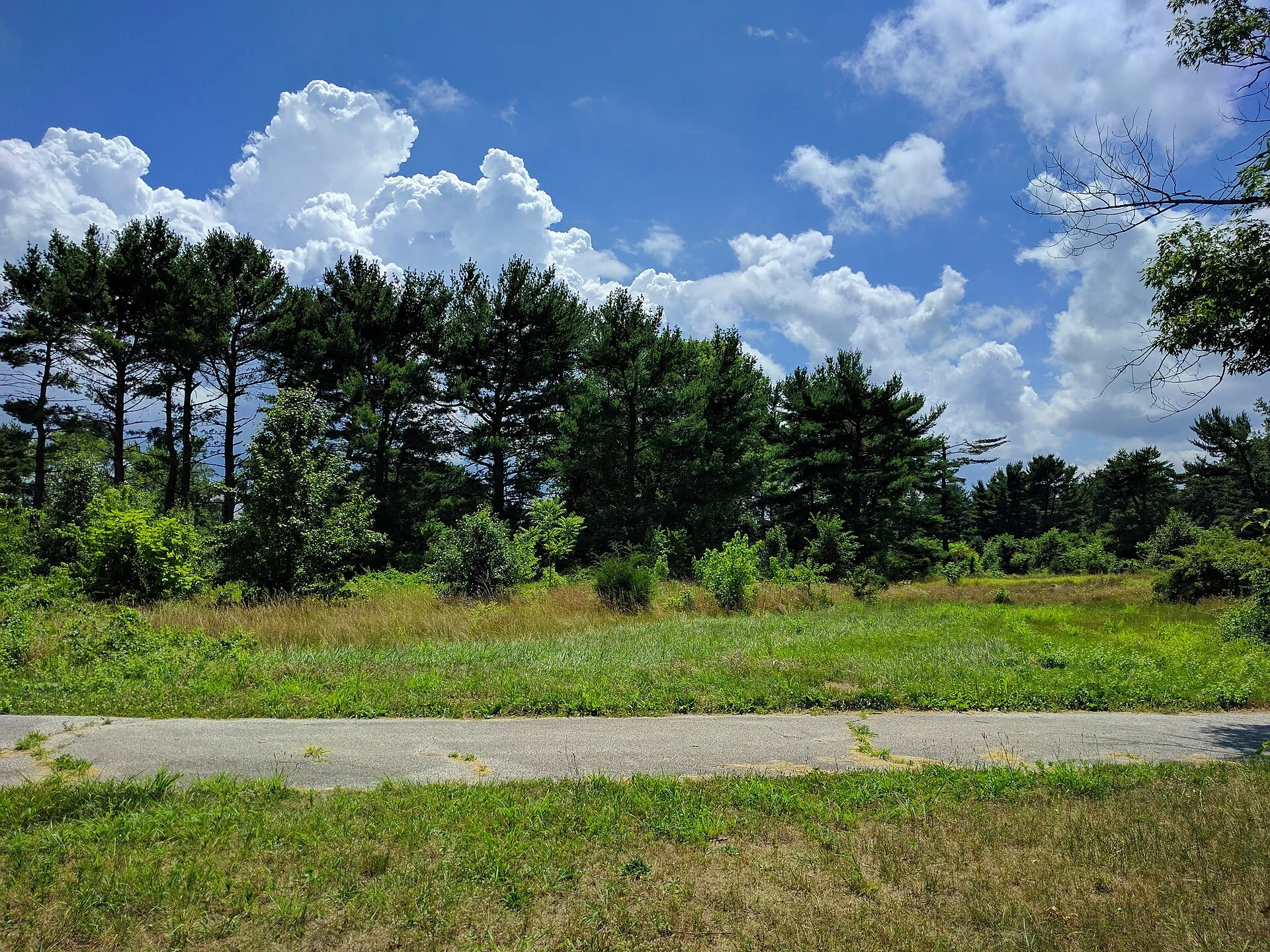
🏆 New Jersey — Pine Barrens preserve protecting one of the last stands of Atlantic white cedar and pitch pine in the Pine Barrens ecosystem. The globally rare Pine Barrens support 850+ plant species and is the largest body of open space on the mid-Atlantic seaboard.
Visitor Information
| Detail | Info |
|---|---|
| Location | New Jersey |
About Tall Pines
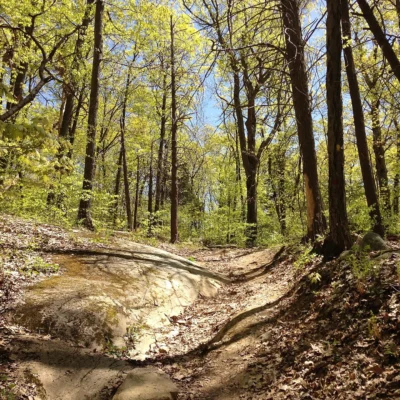
Tall Pines State Preserve in Hunterdon County protects a rare stand of mature forest in New Jersey’s rural western hills — the Hunterdon Plateau. The preserve’s towering tulip poplars, white oaks, and hemlocks represent some of the largest surviving old-growth timber in the state. Hunterdon County, with its horse farms, covered bridges, and stone walls, feels more like New England than metropolitan New Jersey.
Things to Do
Walking among mature and old-growth trees, birdwatching, nature photography, and experiencing preserved forest in New Jersey’s most rural county.
Plan Your Visit
Tall Pines State Preserve provides quiet walking trails through mature forest — no camping or developed facilities. The preserve connects to Hunterdon County’s extensive trail system and the adjacent Musconetcong River for canoeing and tubing. Nearby Clinton (the iconic Red Mill village) and Flemington (home of the Lindbergh baby trial) add historical interest. The preserve is free and open dawn to dusk year-round.
Nature & Wildlife
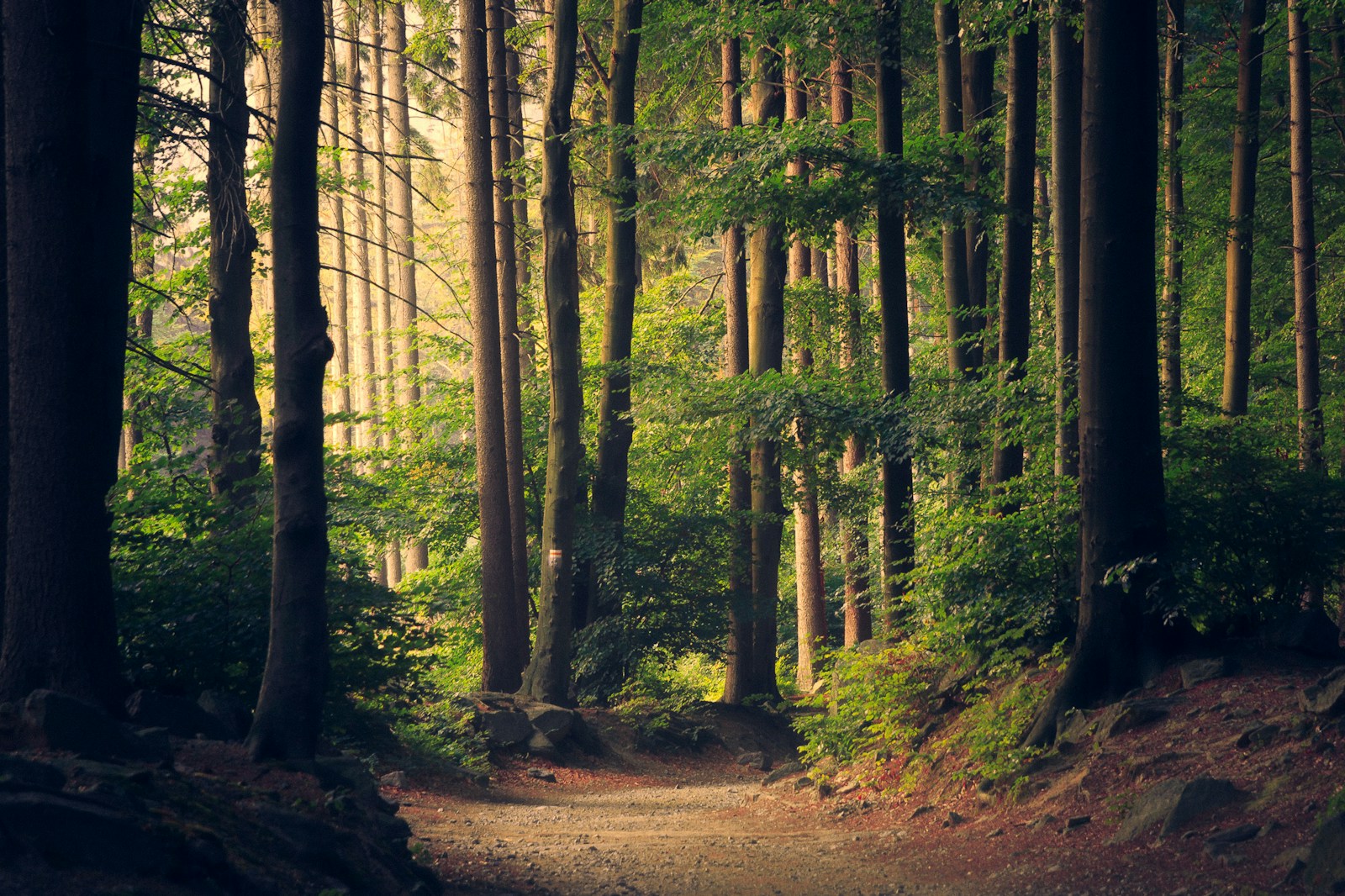
The mature forest canopy — tulip poplars reaching 100+ feet — supports pileated woodpeckers, barred owls, and wood thrushes. The understory features spicebush, witch hazel, and mountain laurel. Red foxes, gray foxes, and white-tailed deer inhabit the preserve. Spring ephemeral wildflowers (bloodroot, trilliums, Virginia bluebells) carpet the forest floor in April before the canopy leafs out. Box turtles are common along the trails.
Insider Tips
Old growth remnant: Tall Pines preserves some of NJ’s finest remaining old-growth forest — a rarity in the most densely populated state. Pro tip: NJ has 1,263 people per square mile — the densest state in America — making every acre of preserved forest precious. Forest fragments: NJ’s remaining forests are increasingly isolated fragments — connected corridors are essential for wildlife movement.
Best Time to Visit
Fall: Old-growth foliage. Spring: Wildflowers. Summer: Shaded forest. Year-round: Trail access.
Frequently Asked Questions
Why is old growth rare in NJ?
New Jersey has been intensively settled since the 1600s — nearly every acre was logged, farmed, or developed at some point. Old-growth forests (never cut) are exceedingly rare — perhaps 2,000 acres total in the entire state. These remnants contain trees 200-400+ years old and support species assemblages that second-growth forests lack. Tall Pines preserves a window into NJ’s pre-colonial landscape — irreplaceable living history.
Nearby state parks: If you have extra time, Penn State Forest is a short drive away, and Warren Grove Recreation Area is a short drive away.

🐾 Dogs & Pets at Tall Pines State Preserve
- Pets allowed? statewide rule
- Pets are allowed in NJ state parks and forests on leash but are prohibited from buildings, swimming beaches and non-designated campsites.
- Leash rule statewide rule
- Leash 6 feet or less, with the pet under physical control at all times.
- Beaches & swim areas statewide rule
- Pets are prohibited from swimming beaches and swimming waters statewide.
- Cabins & lodging statewide rule
- Pets are prohibited from cabins/lodging; the Pet Friendly Camping Program designates campsites at 13 areas (e.g. Round Valley all sites, Allaire 1-8, Bass River 1-85, Stokes 101-137) for up to two dogs or cats per permit.
- Pet fees statewide rule
- $5.00 per night additional charge for a pet-friendly campsite; no day-use pet fee.
- Statewide exceptions statewide rule
- Pet Friendly Camping requires current rabies vaccination with written proof at check-in; caged birds/reptiles only allowed inside RVs.
Are dogs allowed at Tall Pines State Preserve?
Pets are allowed in NJ state parks and forests on leash but are prohibited from buildings, swimming beaches and non-designated campsites. Individual parks can post stricter rules — check signage on arrival.
Rules verified July 2026 via dep.nj.gov. More: New Jersey state parks guide · Dog rules in all 50 states compared
Park Location
Plan your gear for Tall Pines State Preserve
From our editorial guides, matched to this park’s activities:



Top Tours & Activities Near Amboseli National Park
 from $730
 from $725
 from $5,670