In-Depth Guide to Montana State Parks
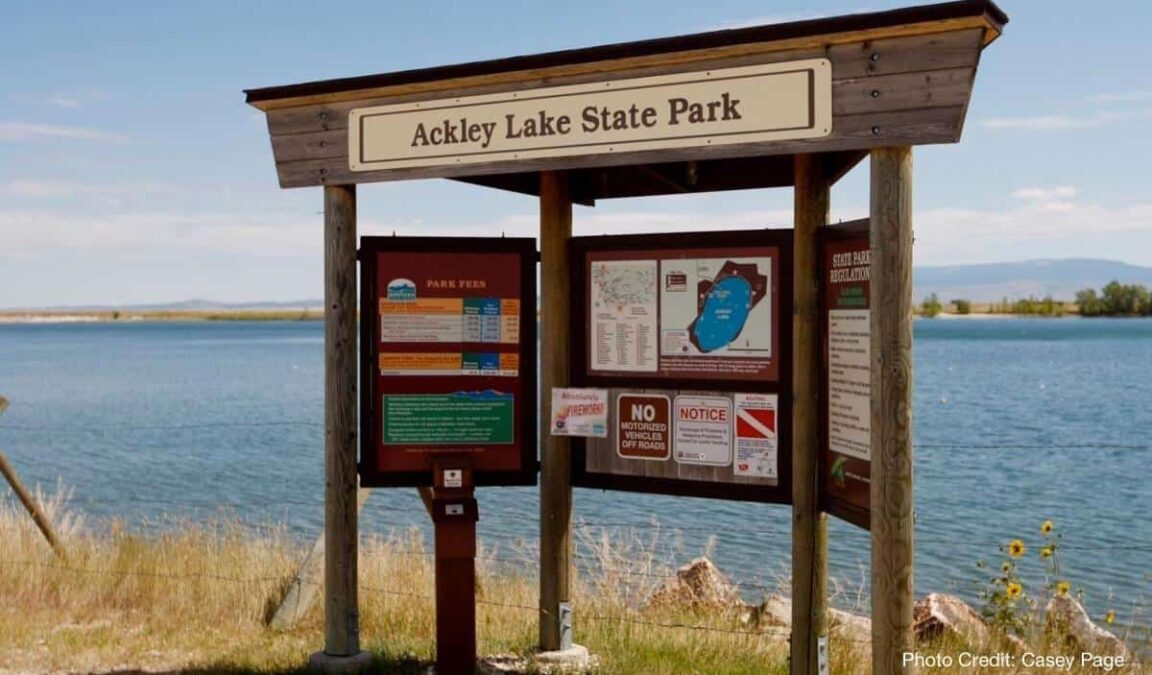
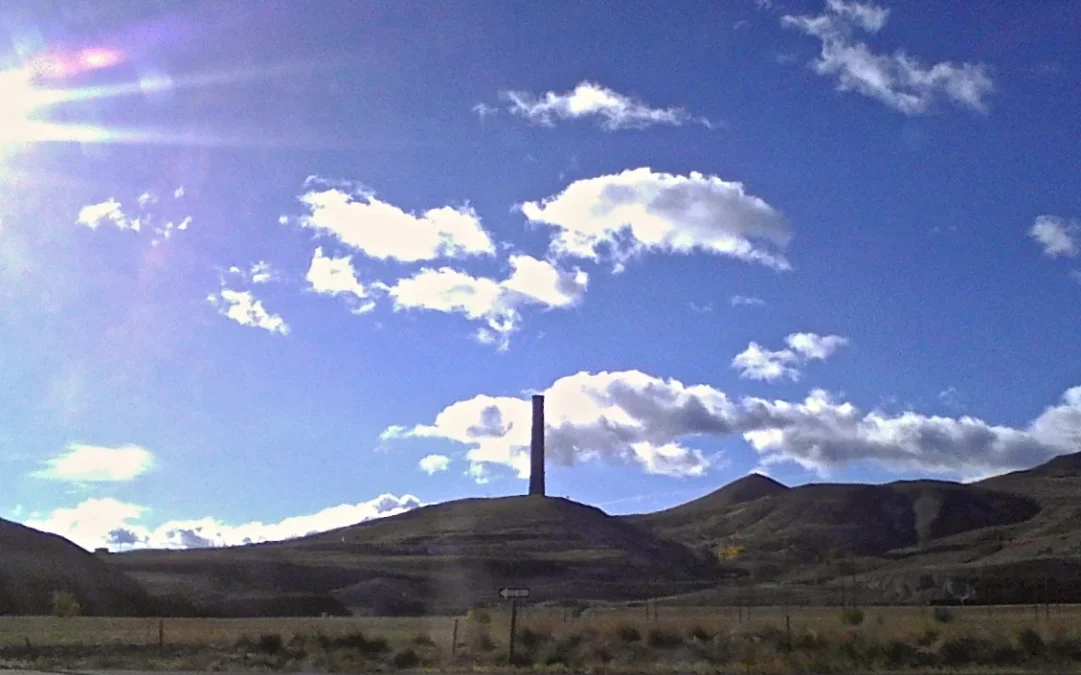
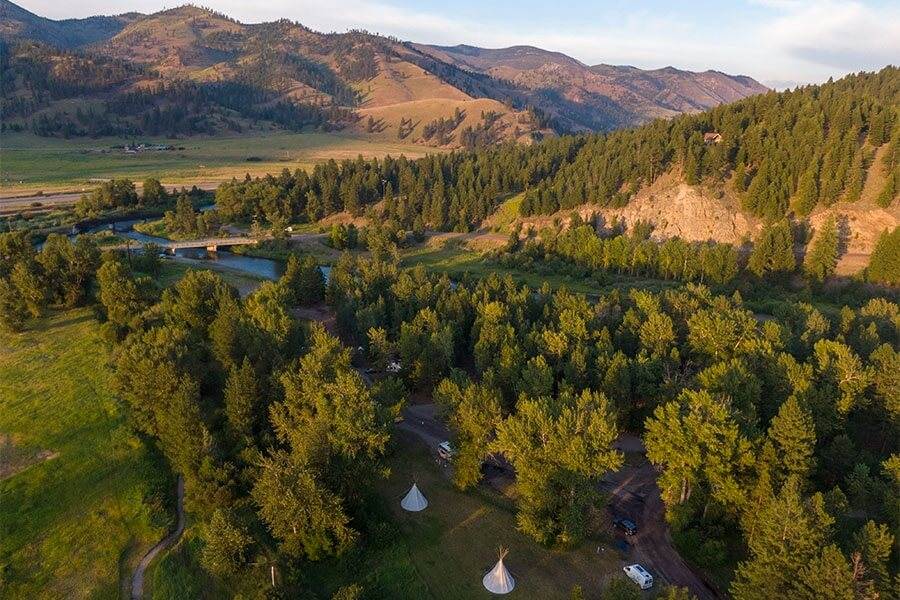
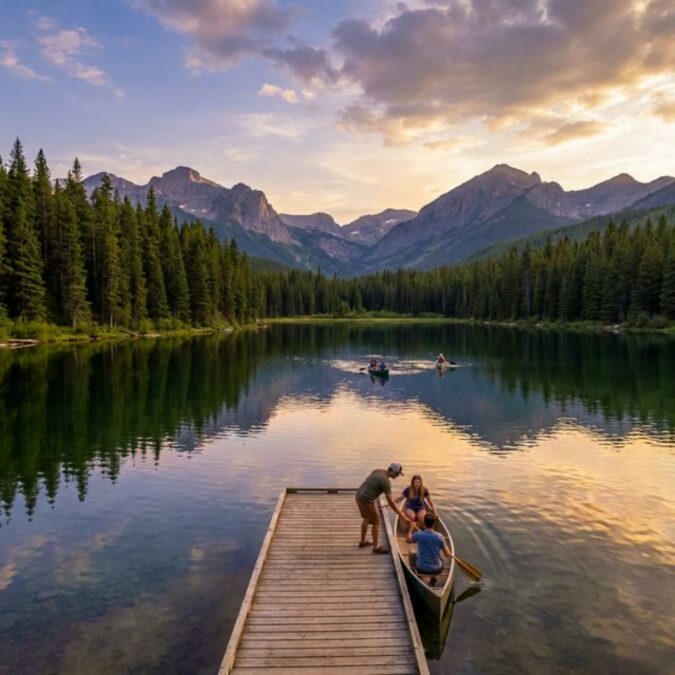
Big Sky Country isn’t just a slogan — it’s what you experience at every Montana state park where towering mountains, crystal rivers, and wildlife-filled prairies meet unbroken horizons. With 55 state parks spanning more than 41,000 acres, Montana delivers the wild, uncrowded outdoor heritage that makes the state legendary. And residents get a deal found nowhere else: park access is bundled into vehicle registration for about $9/year.
Park Pass & Fees
| Fee Type | Cost | Details |
|---|---|---|
| Resident Day-Use | ~$9/year | Bundled with vehicle registration; automatic access |
| Non-Resident Annual Pass | $50 | 12-month pass for all 55 parks |
| Non-Resident 7-Day Pass | $35 | Good at all parks for one week |
| Non-Resident Daily Fee | $8/vehicle | Walk-in/bicycle $4 |
| Standard Camping | $18–$34/night | Reservable 3 months ahead; 20% first-come |
| Camping Cabins | $45–$75/night | Lewis & Clark Caverns, Finley Point, select parks |
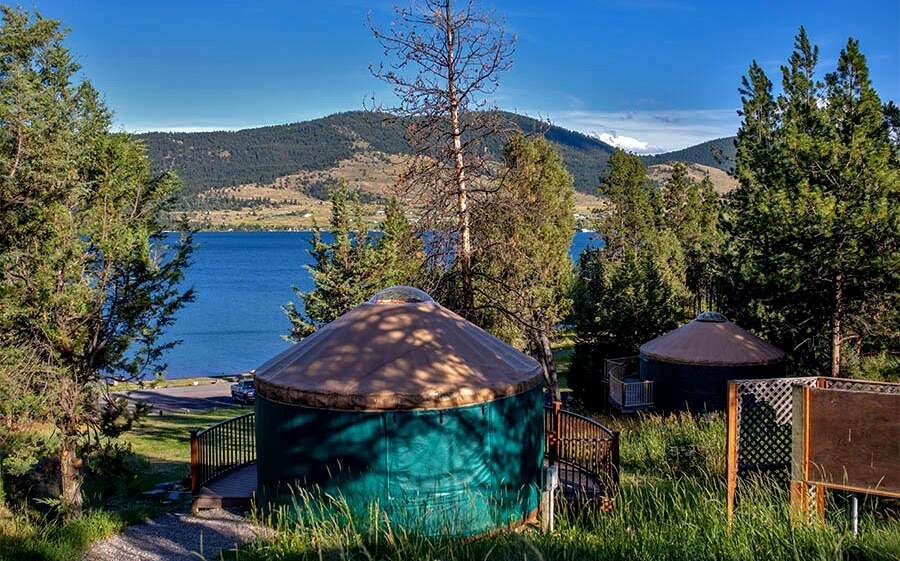
| Yurts | $50–$70/night | Flathead Lake (Big Arm), select parks |
| Resident 62+ Camping | 50% discount | Half-price camping for MT residents 62+ |
📋 Montana Resident Pass: ~$9/year (bundled with vehicle registration). Non-resident: $50/year. → See our Complete 50-State Annual Pass Price Guide, or our 50-State Park Fees Study.
Parks by Region
Northwest — Glacier Gateway & Flathead Lake
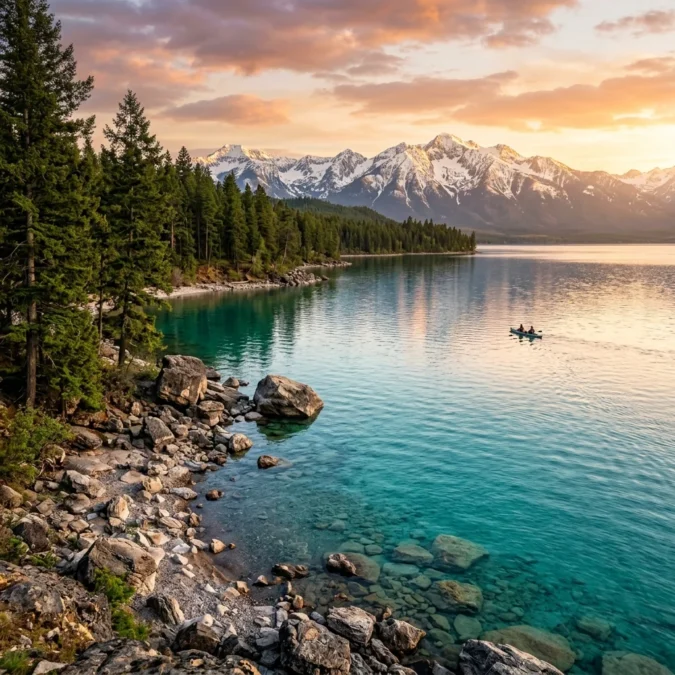
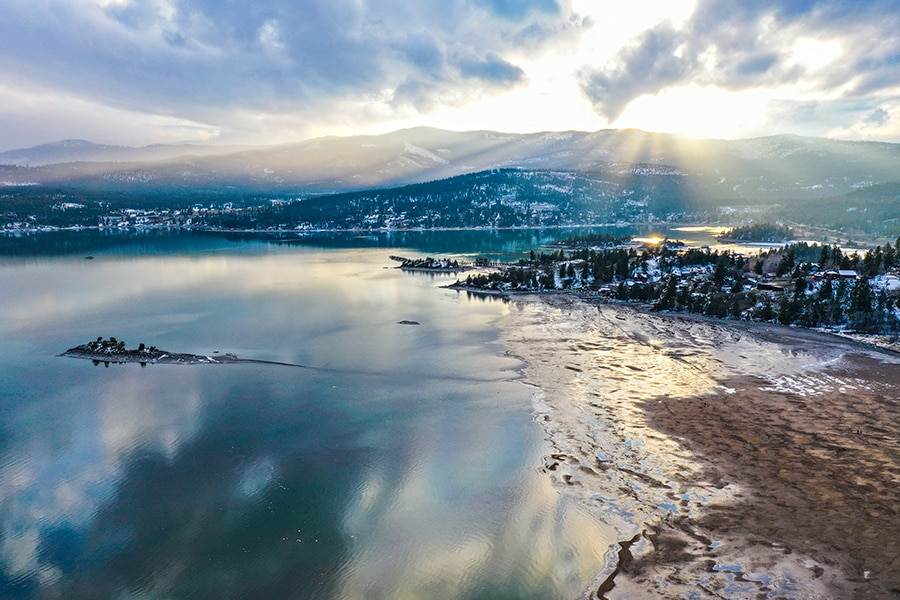
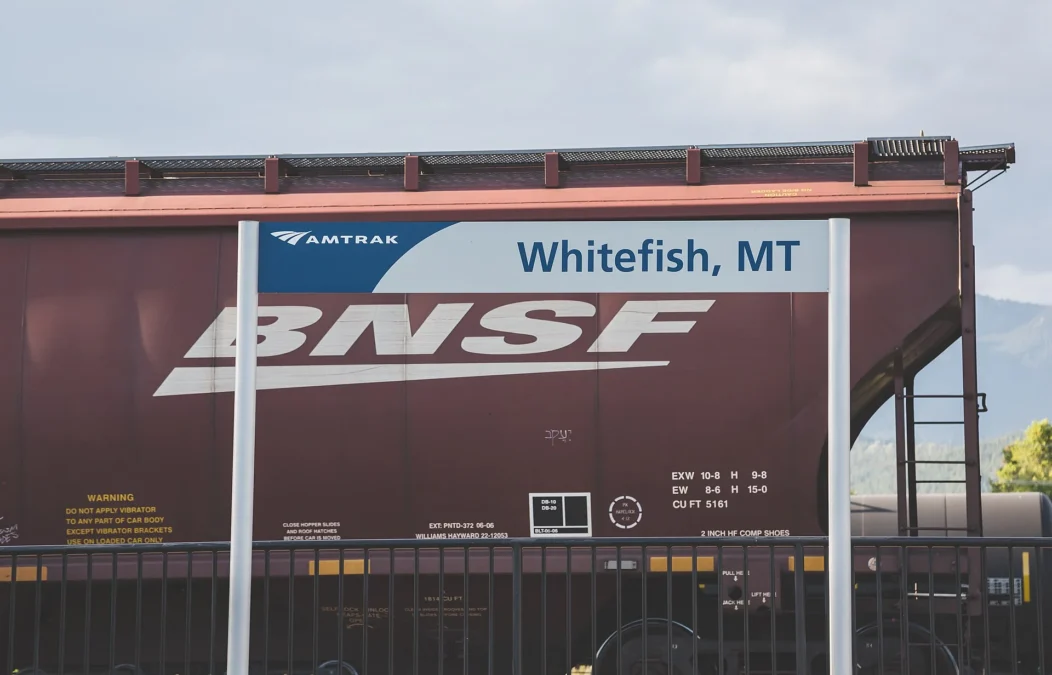
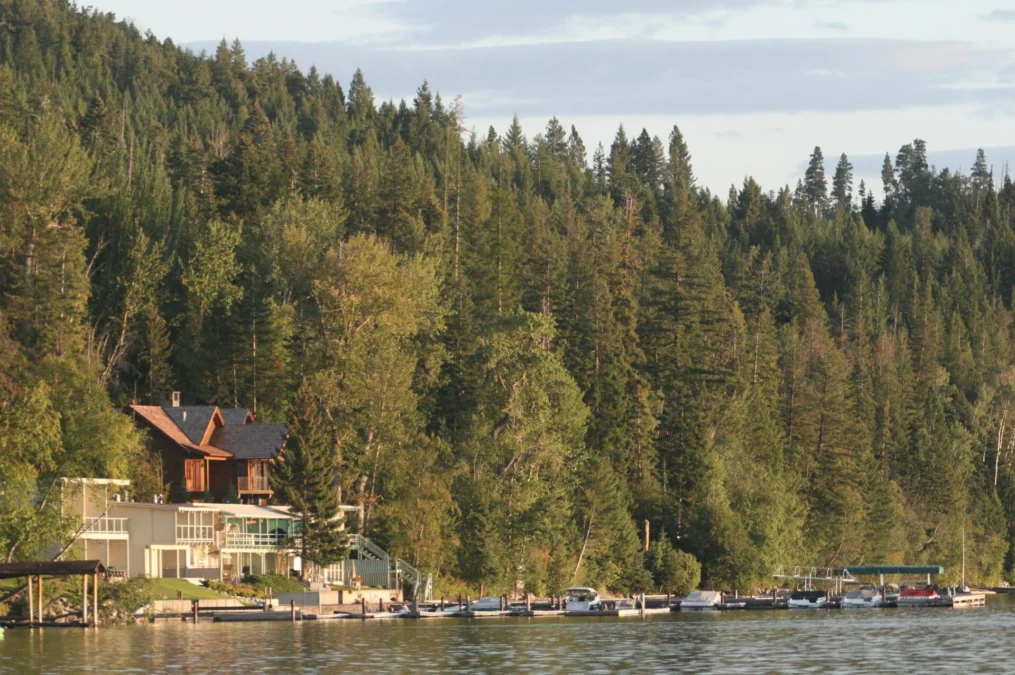
Flathead Lake State Park encompasses six units around the largest natural freshwater lake west of the Mississippi — Wayfarers, Big Arm, Yellow Bay, Finley Point, West Shore, and Wild Horse Island. Big Arm features 3 yurts with Mission and Swan Mountain views. Wild Horse Island is a 2,163-acre island home to bighorn sheep, deer, and wild horses — accessible only by boat. Finley Point offers cabins. Whitefish Lake State Park provides a popular beach and mountain scenery just miles from Glacier National Park’s west entrance. The southern end of Flathead Lake is within the Flathead Indian Reservation — a tribal recreation permit is required for activities in these waters.
Southwest — Gold Rush Country & Caverns
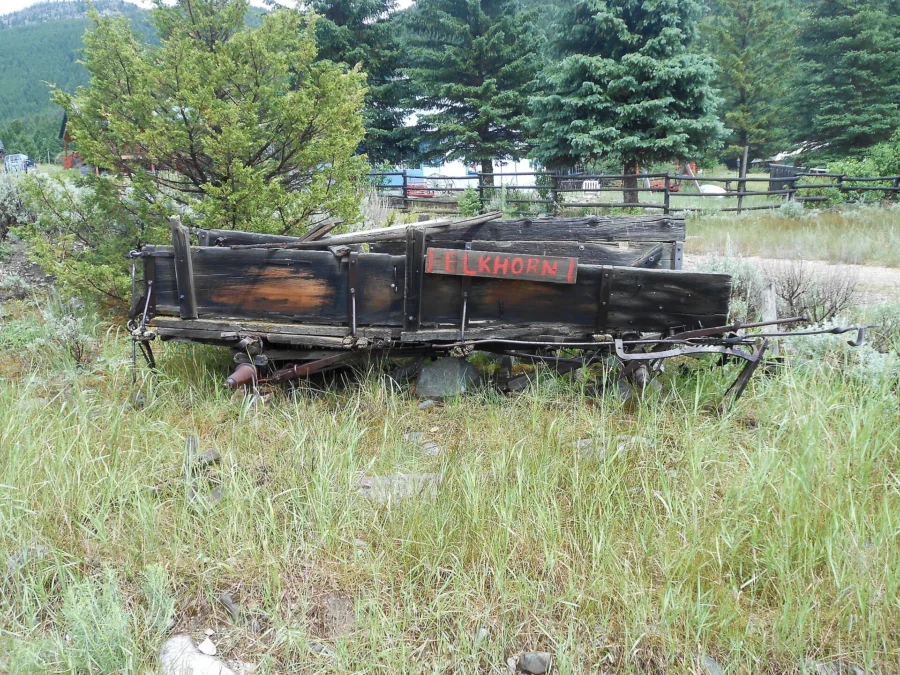
Lewis & Clark Caverns State Park features Montana’s most spectacular limestone cave — a guided 3,000-foot underground tour through stalactites, stalagmites, and cathedral rooms from May through September. Special candlelight tours in December offer a magical holiday experience. The park has 3 camping cabins (open year-round) with electric heat, bunks, and electric outlets — bring your own bedding. Physically demanding tours involve stooping, sliding, and many stairs. Missouri Headwaters State Park marks the exact spot where the Jefferson, Madison, and Gallatin rivers merge to form the Missouri — one of the most historically significant points in the American West. Bannack State Park preserves a remarkably intact 1862 gold rush ghost town with over 60 structures including the hotel, jail, Masonic lodge, and church.
Central — Big Sky Prairie
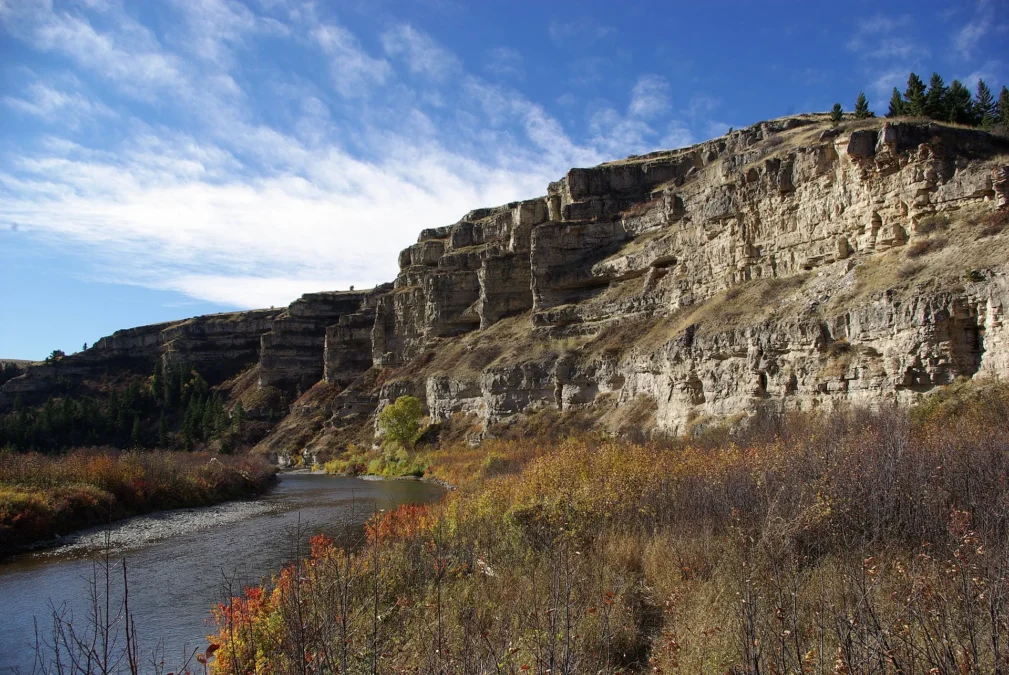
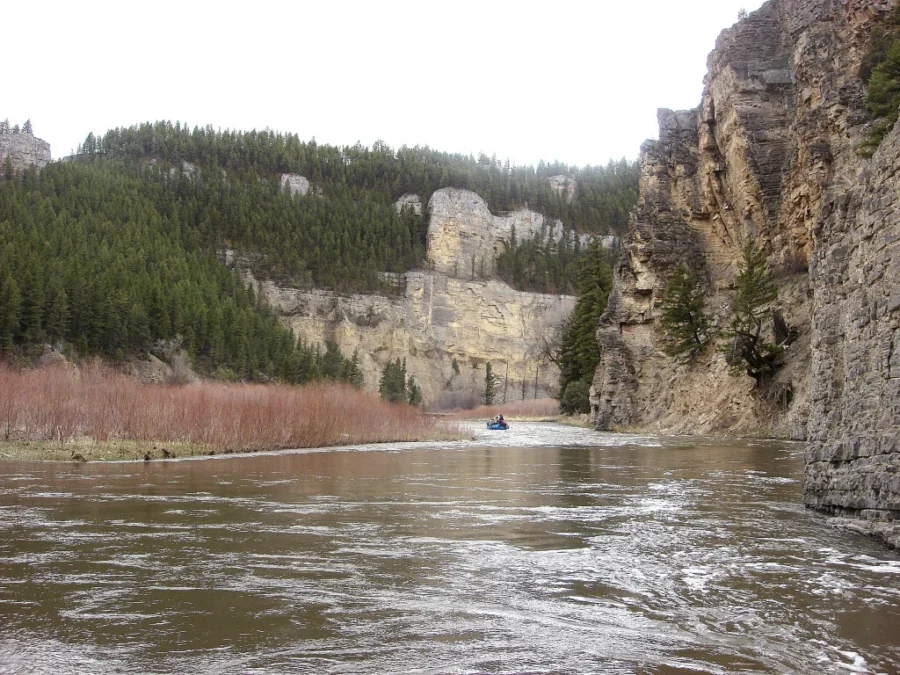
Giant Springs State Park in Great Falls is home to one of the world’s largest freshwater springs, producing 156 million gallons of water daily. The park includes the Roe River — once recognized by Guinness as the shortest river in the world (201 feet). The state fish hatchery here raises rainbow trout. Day-use only — no overnight camping. Sluice Boxes State Park features dramatic limestone canyon narrows along Belt Creek — you wade the creek to hike through the canyon.
Eastern — Badlands & Dinosaurs
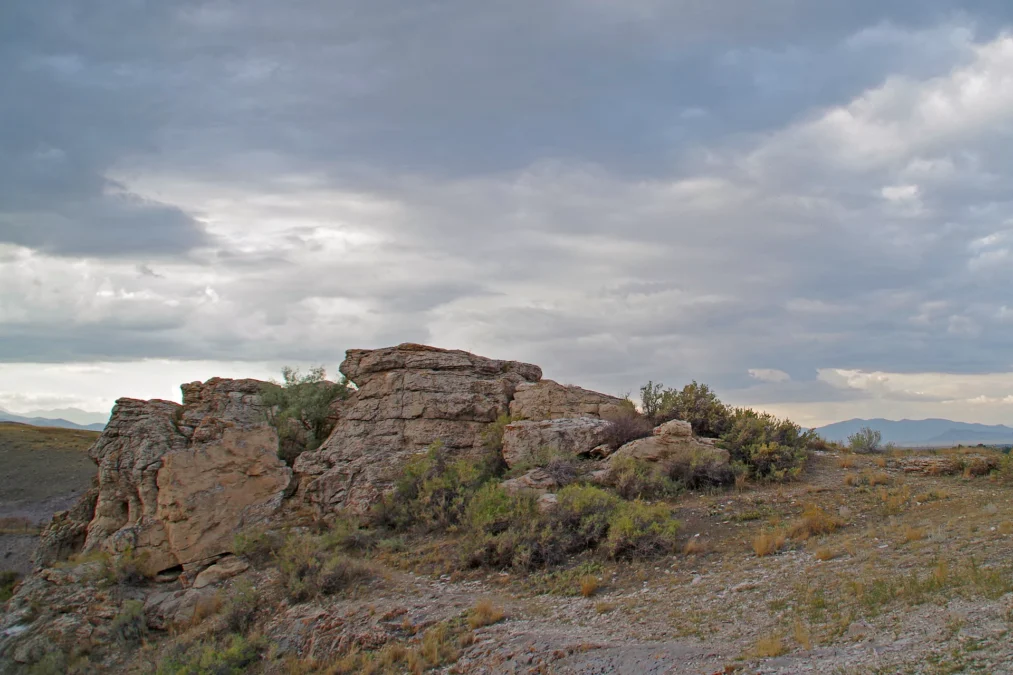
Makoshika State Park near Glendive is Montana’s largest state park at 11,538 acres — a badlands wonderland of layered rock formations, dinosaur fossils (T. rex and Triceratops), and scenic drives through formations rivaling the Dakotas. The visitor center displays fossils found in the park. Medicine Rocks State Park features sandstone pillars and caves sacred to Native Americans — the Lakota called this place “big medicine.” Pictograph Cave State Park near Billings preserves 2,000-year-old rock paintings — some of the oldest documented human art in Montana.
State Parks Near Missoula, Bozeman & Billings
Montana’s parks ring its three biggest cities. Here are the closest to each, with approximate drive times.
Near Missoula
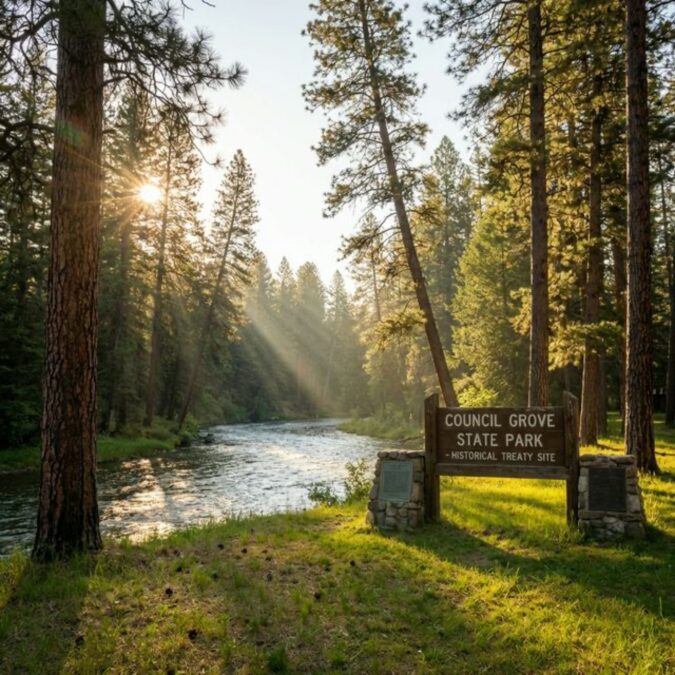
Milltown State Park overlooks the restored Clark Fork–Blackfoot confluence just 15 minutes east of town, while Council Grove State Park (15 minutes west) marks the 1855 Hellgate Treaty site. Frenchtown Pond State Park (20 minutes west) is the local swimming hole, and Travelers’ Rest State Park at Lolo (30 minutes south) preserves the only archaeologically verified Lewis & Clark campsite. Within an hour: Beavertail Hill on the Clark Fork, Fish Creek, and the lake pair of Salmon Lake and Placid Lake in the Seeley-Swan Valley.
Near Bozeman
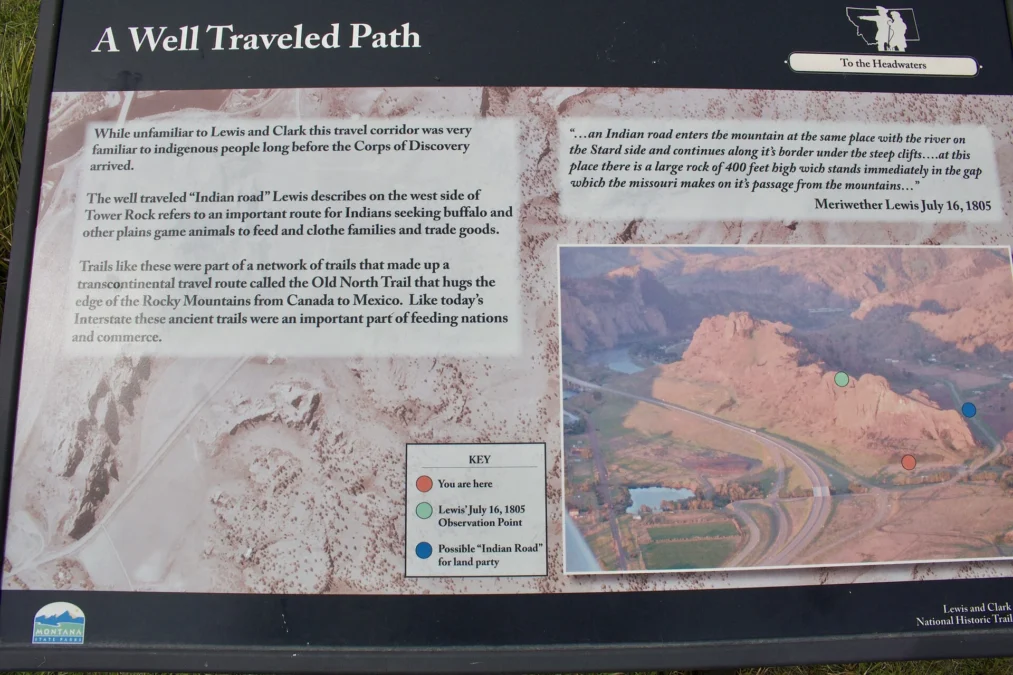
Missouri Headwaters State Park at Three Forks is about 30 minutes northwest, Madison Buffalo Jump State Park about 45 minutes west, and Lewis & Clark Caverns State Park about 50 minutes west on MT-2 — all three combine into a natural day-trip loop.
Near Billings
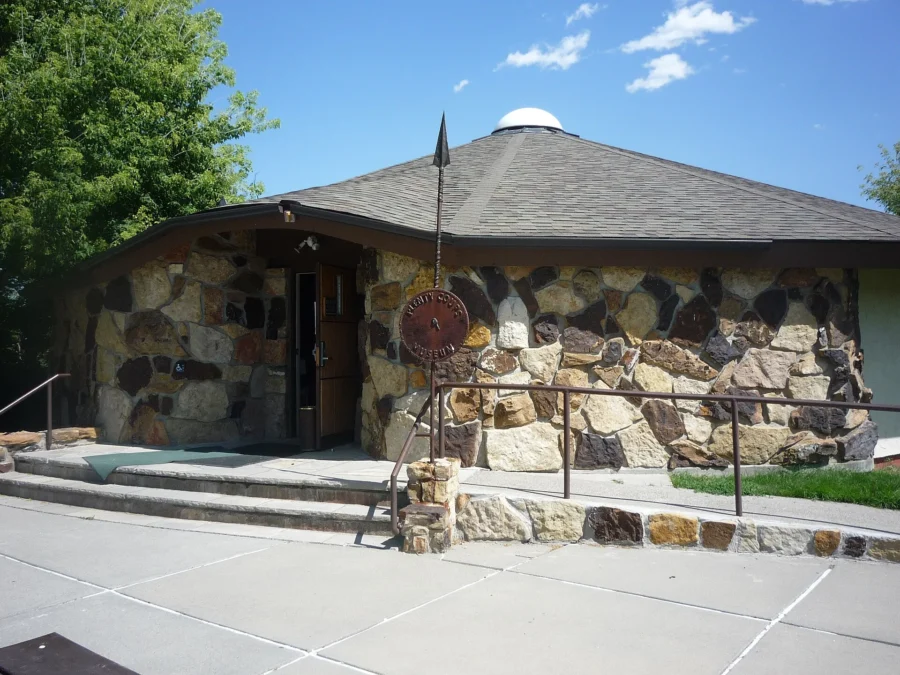
Lake Elmo State Park sits right in Billings Heights for swimming and paddling, and Pictograph Cave State Park is only 15 minutes southeast. Chief Plenty Coups State Park (45 minutes south at Pryor) honors the last traditional Crow chief, while Cooney State Park (about an hour southwest) is the area’s favorite reservoir camping.
Cabins, Yurts & Camping
| Accommodation | Where | Price | Details |
|---|---|---|---|
| Yurts (3) | Flathead Lake — Big Arm | $50–$70/night | Mountain & lake views; bunks; reservable |
| Camping Cabins (3) | Lewis & Clark Caverns | $45–$65/night | Year-round; electric heat; bring bedding |
| Cabins | Flathead Lake — Finley Point | $55–$75/night | Lakeside; summer season |
| Standard Camping | Most parks | $18–$34/night | Reservable 3 months ahead; 20% walk-up |
Booking tip: Montana state park reservations open 3 months in advance — earlier than most states. At least 20% of sites are held for first-come, first-served. Maximum stay: 7 nights. Peak season runs third Friday in May through third Sunday in September. Bear-resistant food lockers are required at many campgrounds — check park-specific rules. Resident seniors (62+) get a 50% camping discount.
Insider Tips
🦕 Local Knowledge
- Resident $9 all-access: Montana residents pay approximately $9 per year through their vehicle registration — automatically included. This covers day-use at all 55 state parks. No separate pass needed. It’s essentially the cheapest park access in America.
- Wild Horse Island boat trip: This 2,163-acre island in Flathead Lake is home to bighorn sheep, deer, and wild horses. Access by boat only (launch from Big Arm or Dayton). No facilities on the island — pack everything in and out. One of the most unique day trips in Montana.
- Lewis & Clark Caverns candlelight tours: During December, the caverns offer special candlelight tours — an entirely different underground experience compared to the summer guided tours. The cabins are open year-round, so you can stay overnight for a winter cave adventure.
- Makoshika dinosaur hunting: Montana’s largest state park has produced T. rex and Triceratops fossils. You can’t collect, but the badlands formations and scenic overlook drives are spectacular — rivals Theodore Roosevelt NP in North Dakota. Best in early morning/evening light.
- Bannack Ghost Town events: The gold rush ghost town hosts “Bannack Days” each July with reenactments, gold panning, and 1860s-style activities. Over 60 structures remain standing — one of the best-preserved ghost towns in the West.
- Flathead Lake tribal waters: The southern end of Flathead Lake falls within the Flathead Indian Reservation. A separate tribal recreation permit ($20) and tribal fishing license are required for these waters. Check boundaries at cskt.org before fishing or launching.
Best Parks by Activity
Best for Hiking
- Lewis & Clark Caverns SP — Mountain trails above + 3,000-ft cave below
- Makoshika SP — Badlands canyon rim hikes with dinosaur formations
- Sluice Boxes SP — Creek-wading limestone canyon adventure
- Lone Pine SP — Flathead Valley panoramic views near Kalispell
Best for Water Recreation
- Flathead Lake SP (6 units) — Largest freshwater lake west of Mississippi
- Whitefish Lake SP — Mountain-view beach near Glacier NP
- Salmon Lake SP — Seeley-Swan Valley kayaking
- Painted Rocks SP — Remote Bitterroot mountain reservoir
Best for History
- Bannack SP — Complete 1862 gold rush ghost town (60+ buildings)
- Missouri Headwaters SP — Lewis & Clark expedition’s Three Forks
- Pictograph Cave SP — 2,000-year-old rock art near Billings
- Chief Plenty Coups SP — Last traditional Crow chief’s home
When to Visit
| Season | Highlights | Crowds |
|---|---|---|
| Spring (Apr–May) | Wildflowers, snowmelt, baby wildlife, waterfalls | Low |
| Summer (Jun–Aug) | Peak season — lake swimming, all facilities open, longest days | High |
| Fall (Sep–Oct) | Golden larch season, elk bugling, uncrowded trails | Moderate |
| Winter (Dec–Mar) | Candlelight cavern tours, quiet parks, frozen landscapes | Very Low |
Planning around the seasons? Explore our national guides to the best state parks for spring wildflowers, summer swimming, fall foliage, and winter camping & snow sports — plus our guide to the best times to visit state parks by region.
FAQs
Do Montana residents get free state park access?
Essentially yes — residents pay about $9 annually through vehicle registration, which includes day-use access to all 55 parks. No separate pass to buy.
Can I find dinosaur fossils in Montana state parks?
Makoshika State Park has produced T. rex and Triceratops fossils — the visitor center displays finds from the park. You can explore the badlands formations but collecting fossils is not permitted.
Are there ghost towns in Montana state parks?
Yes — Bannack State Park preserves an entire 1862 gold rush ghost town with 60+ structures. “Bannack Days” in July features reenactments and gold panning.
What is Wild Horse Island?
A 2,163-acre island in Flathead Lake home to bighorn sheep, deer, and wild horses. Boat-access only from Big Arm or Dayton. No facilities — pack in, pack out. One of Montana’s most unique day trips.
Can I stay in yurts at Montana state parks?
Yes — Flathead Lake SP (Big Arm unit) has 3 yurts with mountain and lake views. Lewis & Clark Caverns has 3 camping cabins open year-round. Book 3 months ahead.
What is Giant Springs?
One of the world’s largest freshwater springs, producing 156 million gallons daily. Features the Roe River (once Guinness-recognized as world’s shortest) and a state fish hatchery. Day-use only in Great Falls.
How many state parks does Montana have?
Montana has 55 state parks managed by Fish, Wildlife & Parks — from Flathead Lake’s six lakeshore units to badlands, caverns, and ghost towns. Residents cover day-use for all of them through the ~$9 state parks fee on vehicle registration; non-residents pay $8/vehicle daily or $50/year.
Does Montana have national parks?
Two of America’s most famous: Glacier National Park in the northwest — with Whitefish Lake State Park just outside its west entrance — and Yellowstone National Park, whose three Montana entrances (West Yellowstone, Gardiner, Cooke City) make the state a natural basecamp. The NPS also runs Little Bighorn Battlefield National Monument, Bighorn Canyon National Recreation Area, Big Hole National Battlefield, and Grant-Kohrs Ranch National Historic Site.
Are dogs allowed in Montana state parks?
Pets are allowed at most Montana state parks but must be leashed and not left unattended — leash no longer than 8 feet required, unless otherwise posted. Pets are prohibited from swimming beaches and posted restricted areas. Pets prohibited at Frenchtown Pond and Wild Horse Island; kennel service offered during Lewis and Clark Caverns tours; Spring Meadow Lake no pets April 16 – October 14; Lake Elmo has a fenced dog park. Rules verified July 2026 via fwp.mt.gov. Full 50-state comparison: Dog Rules in America’s State Parks.
Dinosaur badlands, ghost towns, and Big Sky wilderness — explore Montana’s 55 state parks.