🌤 Weather at Fort Owen State Park by season
| Spring | Summer | Fall | Winter |
|---|---|---|---|
| 26–68 °F | 45–85 °F | 24–74 °F | 19–38 °F |
Each range runs from the coldest monthly average low to the warmest monthly average high in that season (1991-2020 climate normals), measured at Stevensville, 1 mi away, elevation 3,375 ft. Conditions at the park can differ from the station, especially where elevation differs — check a forecast before you go.

🏚️ Where Montana Began — The Adobe Ruins of the First White Settlement in the Bitterroot Valley — Fort Owen State Park in Stevensville, Montana, historic site, first white settlement in Montana, Major John Owen 1850, St. Mary’s Mission site 1841, Bitterroot Valley, Flathead Salish, adobe barracks ruins, Sapphire Mountains views — Ravalli County, MT
Before there was a Montana, there was Fort Owen. In 1841, Jesuit Father Pierre-Jean De Smet established St. Mary’s Mission here in the Bitterroot Valley — the first permanent white settlement in what would become Montana. Major John Owen bought the mission in 1850 and turned it into a trading post that became the commercial heart of the valley.
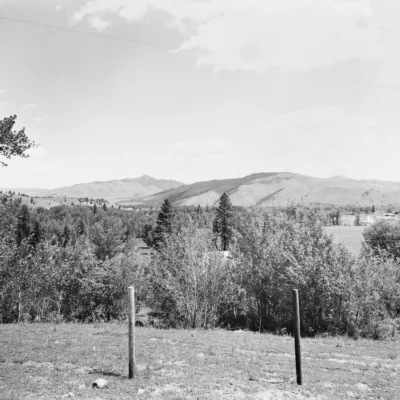
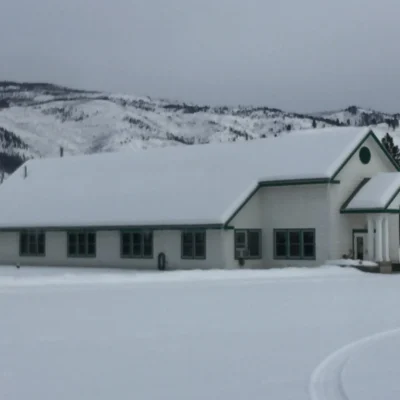
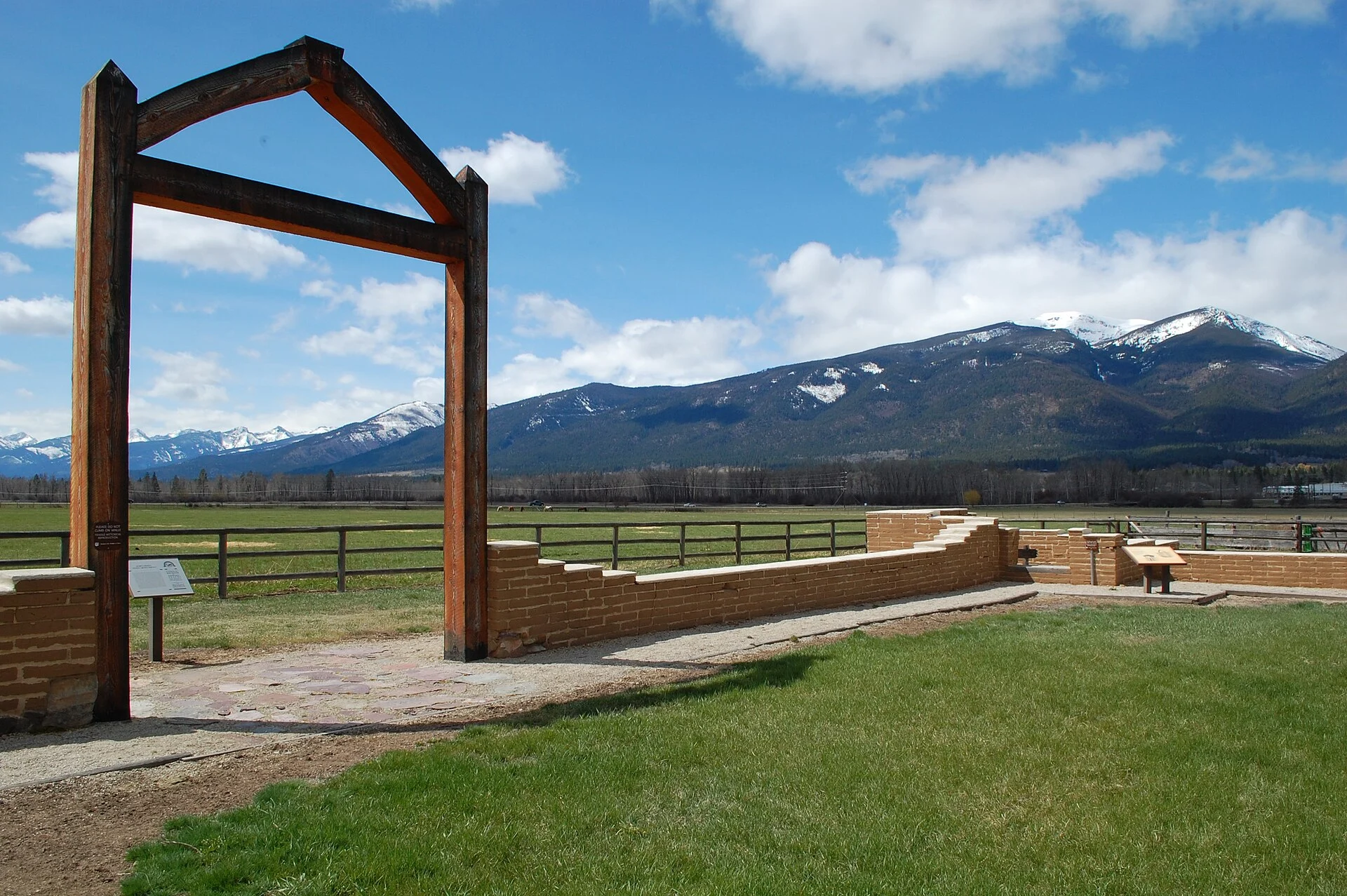
The adobe barracks still stand — partially, stubbornly, against the Bitterroot weather. The ruins are protected under a shelter, and interpretive signs walk you through the layers of history: missionaries, mountain men, Flathead Salish, soldiers, settlers. The Sapphire Mountains rise to the east. The Bitterroots to the west. And this small plot of ground is where everything in Montana started.
What to See
| Feature | Details |
|---|---|
| Adobe Barracks | The partially preserved adobe walls of Fort Owen’s east barracks — one of the oldest surviving structures in Montana. The adobe was made from local clay and straw. A protective shelter covers the ruins. The craftsmanship is visible in every layer of mud brick |
| St. Mary’s Mission Site | Father De Smet established the mission here in 1841 at the invitation of the Flathead (Salish) people — making this the first Christian mission in the Pacific Northwest mountains. The mission was sold to Major Owen in 1850 when the Jesuits relocated |
| Interpretive Displays | Signs and displays throughout the site explain the overlapping histories — Salish homeland, Jesuit mission, trading post, military supply point, and early settlement. The site is compact but information-dense. Plan 30–60 minutes to read everything |
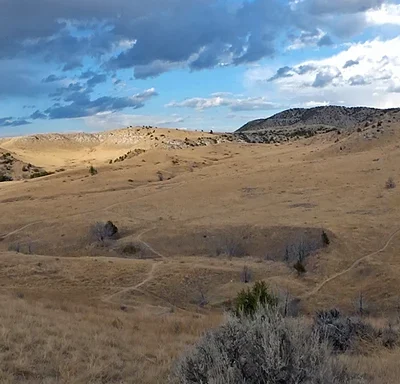
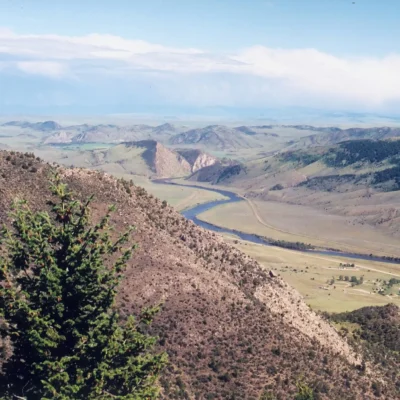
| Bitterroot Valley Views | The Bitterroot Valley stretches north and south — one of Montana’s most beautiful valleys. The Sapphire Mountains to the east, the Bitterroot Range to the west. The valley floor is agricultural — hay fields, horse ranches, and the Bitterroot River winding through it all |
| Stevensville | Montana’s first town — founded in 1864. A small, historic downtown with restaurants and shops. The town preserves its frontier character. Visit the Fort Owen site and the town together for a full picture of Montana’s origins |
The Montana Origin Story
| Feature | Details |
|---|---|
| Father De Smet (1841) | Belgian Jesuit priest who traveled from St. Louis to establish a mission at the request of Flathead Salish delegates. St. Mary’s Mission was the result — the first permanent white settlement in Montana. De Smet would become one of the most traveled men on the frontier |
| Major John Owen (1850) | A former U.S. Army officer who bought the mission and established a trading post that served the Bitterroot Valley for two decades. Owen’s journals are among the most valuable records of early Montana life. He traded with the Salish, supplied miners, and became the valley’s essential man |
| Flathead Salish | The Bitterroot Valley was the homeland of the Salish people for thousands of years before white settlement. Their relationship with the Jesuits and later settlers is complex — involving invitation, cooperation, and ultimately displacement. The site acknowledges this full history |
| National Historic Landmark | Fort Owen is a National Historic Landmark — one of the most significant sites in Montana’s pre-territorial history. The designation recognizes the site’s role in the fur trade, missionary activity, and the opening of the Northwest |
Best Time to Visit
| Season | Best For |
|---|---|
| Summer (Jun–Aug) | ☀️ Full access. Interpretive programs. The Bitterroot Valley green. Clear mountain views. Warm days |
| Fall (Sep–Oct) | 🍂 Cottonwoods golden in the valley. Fewer visitors. The mountains snow-capped. History in autumn light |
| Spring (Apr–May) | Valley greening. Wildflowers. The site opening. Cool mornings. Mountain snowmelt filling the Bitterroot River |
| Winter (Nov–Mar) | Site may have limited access. The valley in winter — quiet, cold, beautiful. Stevensville accessible year-round |
Frequently Asked Questions
How long should I plan to visit?
30 minutes to an hour — the site is compact but historically significant. Read all the interpretive signs, examine the adobe ruins, and take in the valley views. Combine with a visit to downtown Stevensville and the nearby Lee Metcalf National Wildlife Refuge for a full day.
Is there an entrance fee?
No — Fort Owen State Park is free and open to the public. The site is day-use only. No camping. The experience is historical, not recreational — but the setting in the Bitterroot Valley is recreational by default.
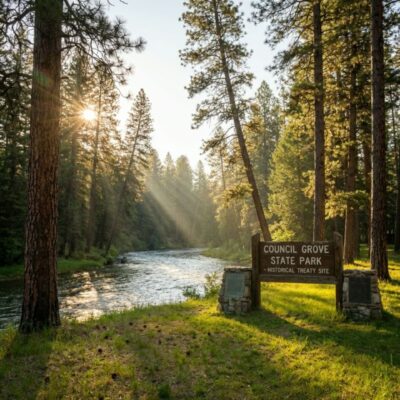
More parks nearby: Travelers’ Rest State Park is within about an hour’s drive, while Council Grove State Park lies within about an hour’s drive.
🏚️ Adobe Walls. A Jesuit Mission. Montana’s First White Settlement. The West Started Here.
In 1841, a Belgian priest and a delegation of Salish people built a mission in the most beautiful valley in Montana. Major Owen turned it into a trading post. The adobe walls are still standing. And the Bitterroot Valley — the place that convinced them all to stay — is still the most beautiful valley in Montana.

🐾 Dogs & Pets at Fort Owen State Park
- Pets allowed? statewide rule
- Pets are allowed at most Montana state parks but must be leashed and not left unattended.
- Leash rule statewide rule
- Leash no longer than 8 feet required, unless otherwise posted.
- Beaches & swim areas statewide rule
- Pets are prohibited from swimming beaches and posted restricted areas.
- Statewide exceptions statewide rule
- Pets prohibited at Frenchtown Pond and Wild Horse Island; kennel service offered during Lewis and Clark Caverns tours; Spring Meadow Lake no pets April 16 - October 14; Lake Elmo has a fenced dog park.
Are dogs allowed at Fort Owen State Park?
Pets are allowed at most Montana state parks but must be leashed and not left unattended. Individual parks can post stricter rules — check signage on arrival.
Rules verified July 2026 via fwp.mt.gov. More: Montana state parks guide · Dog rules in all 50 states compared
Park Location
Plan your gear for Fort Owen State Park
From our editorial guides, matched to this park’s activities: