🌤 Weather at Smith River State Park by season
| Spring | Summer | Fall | Winter |
|---|---|---|---|
| 20–61 °F | 41–80 °F | 18–69 °F | 11–35 °F |
Each range runs from the coldest monthly average low to the warmest monthly average high in that season (1991-2020 climate normals), measured at Millegan 14 SE, 3 mi away, elevation 4,970 ft. Conditions at the park can differ from the station, especially where elevation differs — check a forecast before you go.

Montana’s Only Permit-Required River — 59-Mile Limestone Canyon Float, 27 Backcountry Camps, Blue-Ribbon Trout Fishing & Annual Lottery Access
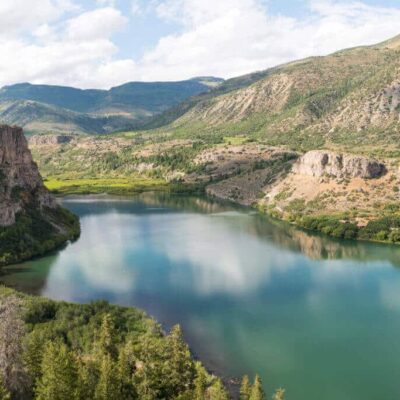
Smith River State Park is a 59-mile wilderness river corridor through the Little Belt and Big Belt Mountains of central Montana — and it is the only river in Montana that requires a permit to float. The park stretches from Camp Baker (put-in) to Eden Bridge (take-out), with 27 designated backcountry campsites along the route. Access is controlled through an annual lottery system, making a Smith River float one of Montana’s most coveted outdoor experiences.
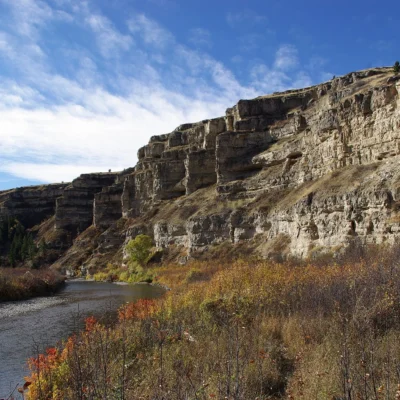
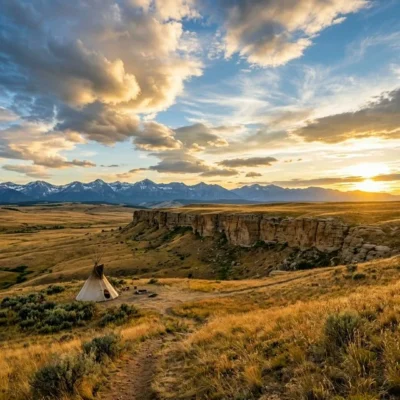
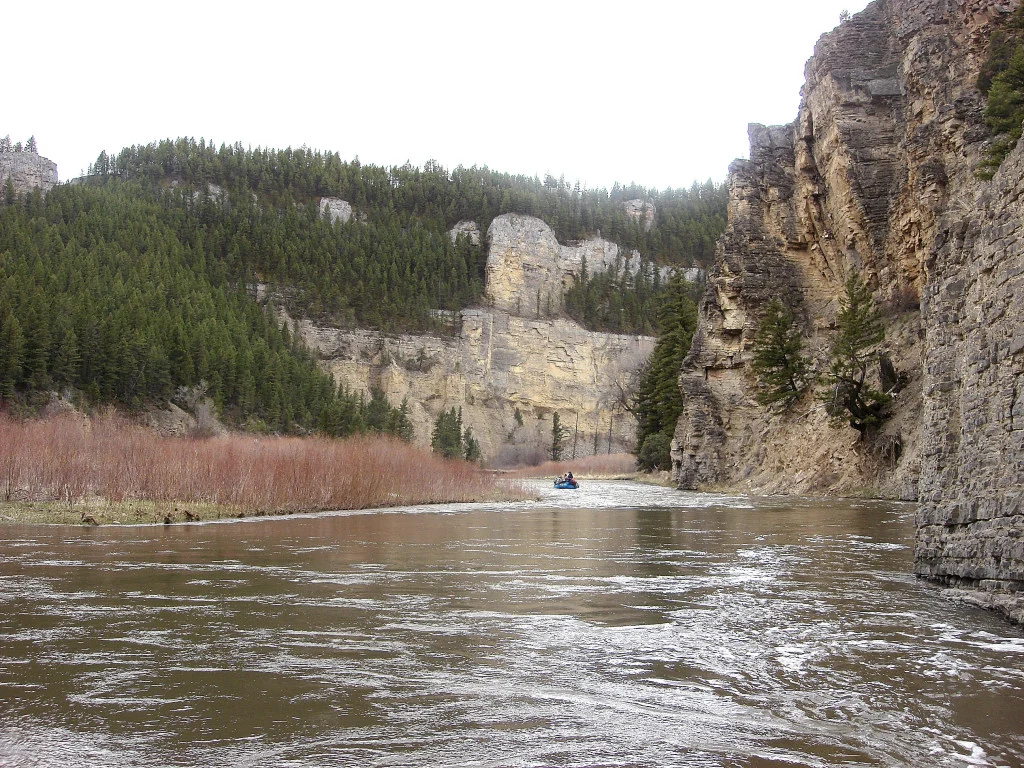
The Smith River cuts through a spectacular limestone canyon — towering rock walls, forested ridgelines, and remote meadows define the corridor. The river supports blue-ribbon trout fishing for brown and rainbow trout, and wildlife along the corridor includes elk, mule deer, mountain lions, black bears, eagles, and osprey. With no roads, no services, and no motorized access, the Smith River offers a genuine multi-day wilderness experience accessible only by non-motorized watercraft — rafts, canoes, kayaks, and drift boats.
The Float Trip
The Route
| Feature | Details |
|---|---|
| Distance | 59 miles (Camp Baker to Eden Bridge) |
| Duration | Typically 4 days / 3 nights |
| Watercraft | Non-motorized only — rafts, canoes, kayaks, drift boats |
| Campsites | 27 designated boat camps (mandatory — no camping elsewhere) |
| Skill Level | Intermediate rowing/paddling required |
The Permit Lottery
- Applications open: Early January
- Application deadline: Mid-February
- Lottery drawing: Late February
- Float season: Approximately late April through early July (varies by water conditions)
- Registration: Successful permit holders must call in two days before launch to confirm, pay fees, and select campsites
Fishing
- Blue-ribbon trout fishery: Brown trout and rainbow trout throughout the corridor
- Best fishing: June and early July — after spring runoff subsides
- Montana fishing license required
Wildlife
- Large mammals: Elk, mule deer, white-tailed deer, mountain lions, black bears
- Birds: Bald eagles, golden eagles, osprey, great blue herons, kingfishers
- Canyon ecology: Limestone cliffs support unique plant communities and raptor nesting sites
Access Points
| Location | Details |
|---|---|
| Camp Baker (Put-in) | NW of White Sulphur Springs; boat ramp; primitive latrines; day-use only (no camping May–Aug); no potable water |
| Eden Bridge (Take-out) | ~28 miles from Great Falls; boat ramp; latrines; trash dumpster; recycling |
Best Time to Float
| Period | Highlights | Considerations |
|---|---|---|
| Late Apr–May | Spring runoff; high water; fast current; lush green canyon; wildlife active | Cold water; swift current; Class II+ rapids; rain/snow possible; demanding |
| June | ⭐ PRIME: Optimal water levels; best fishing; wildflowers; warm days; long daylight | Most popular month; lottery competition highest |
| July | Warm; low water; relaxed pace; swimming possible; fishing good | Very low water some years — dragging possible; hot midday |
| Sep–Nov | Fall float season (day-use, no permit required); autumn color; solitude | Cold; short days; variable water; fewer services |
Visitor Tips
- Permit lottery: The Smith River lottery is highly competitive — thousands apply for limited launch dates. Apply in January, be flexible on dates, and consider shoulder-season launches for better odds.
- Self-sufficiency: There are no services, no potable water, no trash facilities, and no cell service along the entire 59-mile corridor. Pack everything you need for 4 days — food, water purification, first aid, and safety equipment.
- Waste management: All floaters must carry an agency-approved, hard-sided portable toilet and pack out all human waste. This is strictly enforced.
- Vehicle shuttle: You’ll need to arrange a shuttle service to move your vehicle from Camp Baker (put-in) to Eden Bridge (take-out). Commercial shuttle operators serve the corridor.
- Private land: Much of the shoreline is private property. Montana’s Stream Access Law allows walking and fishing within the ordinary high-water mark, but respect private cabins and property boundaries.
- Fall floating: After the permitted season ends (typically early July), the Smith River is open for day-use floating without a permit from September through November. You cannot camp during this period, but day floats are excellent for fall color and fishing.
Frequently Asked Questions
How do you get a permit for the Smith River?
Smith River float permits are awarded through an annual lottery conducted by Montana Fish, Wildlife and Parks (FWP). Applications open in early January and close in mid-February, with the lottery drawing held in late February. The float season typically runs from late April through early July. Successful applicants must register by phone two days before their scheduled launch date to confirm details, pay fees, and select campsites. The lottery is highly competitive — applying early in the window and maintaining flexibility on launch dates improves your chances.
Can you float the Smith River without a permit?
Yes — after the permitted season ends (typically early July), the Smith River is open for day-use floating without a permit from approximately September 1 through November 30. During this fall season, overnight camping along the river is not permitted, but day floats are an excellent way to experience the limestone canyon, fall colors, and late-season fishing. During the permitted season (late April through early July), a lottery permit is required for all floating, whether day-use or overnight.
Last updated: April 2026
Keep exploring: The closest neighbors are Sluice Boxes State Park (within about an hour’s drive) and Sluice Boxes State Park (within about an hour’s drive).
Camping reservations: Book campsites and cabins for Montana state parks online at montanastateparks.reserveamerica.com.

🐾 Dogs & Pets at Smith River State Park
- Pets allowed? statewide rule
- Pets are allowed at most Montana state parks but must be leashed and not left unattended.
- Leash rule statewide rule
- Leash no longer than 8 feet required, unless otherwise posted.
- Beaches & swim areas statewide rule
- Pets are prohibited from swimming beaches and posted restricted areas.
- Statewide exceptions statewide rule
- Pets prohibited at Frenchtown Pond and Wild Horse Island; kennel service offered during Lewis and Clark Caverns tours; Spring Meadow Lake no pets April 16 - October 14; Lake Elmo has a fenced dog park.
Are dogs allowed at Smith River State Park?
Pets are allowed at most Montana state parks but must be leashed and not left unattended. Individual parks can post stricter rules — check signage on arrival.
Rules verified July 2026 via fwp.mt.gov. More: Montana state parks guide · Dog rules in all 50 states compared
Park Location
Plan your gear for Smith River State Park
From our editorial guides, matched to this park’s activities: