🌤 Weather at Banner Marsh State Fish and Wildlife Area by season
| Spring | Summer | Fall | Winter |
|---|---|---|---|
| 32–74 °F | 62–86 °F | 33–78 °F | 18–39 °F |
Each range runs from the coldest monthly average low to the warmest monthly average high in that season (1991-2020 climate normals), measured at Peoria Gtr Peoria Airport, 13 mi away, elevation 650 ft. Conditions at the park can differ from the station, especially where elevation differs — check a forecast before you go.

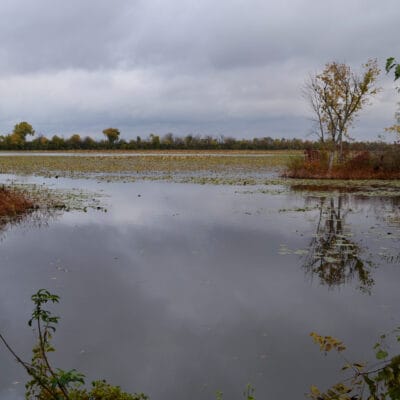
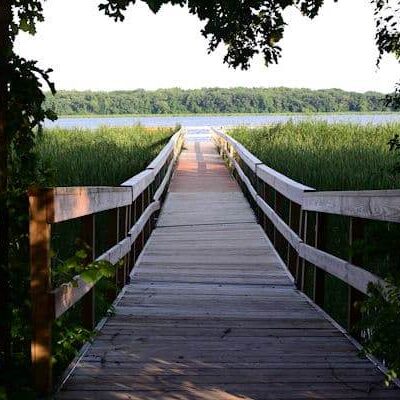
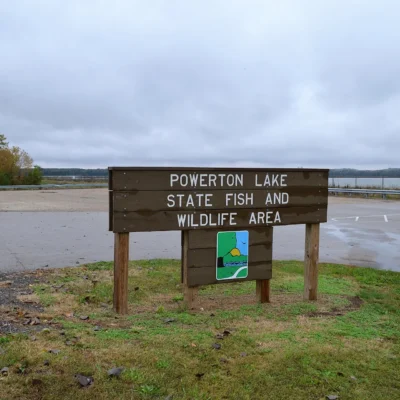
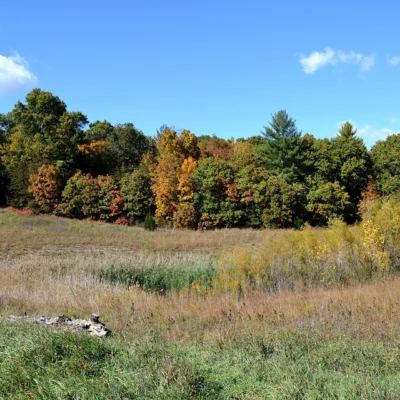
Located just 25 miles southwest of Peoria along U.S. Route 24, Banner Marsh State Fish and Wildlife Area is a sprawling 4,363-acre haven for outdoor enthusiasts and wildlife alike. Guarded from the Illinois River by a major levee, this expansive complex of freshwater marshes, lakes, grasslands, and shrublands serves as a vital ecological anchor in Fulton County.
A Unique Landscape with a Rich History
The story of Banner Marsh is one of remarkable environmental resilience and reclamation. Historically functioning as a highly productive bottomland lake and marsh system inextricably linked to the Illinois River, the land underwent drastic changes throughout the 20th century. It was initially drained to create fertile agricultural land and later heavily strip-mined for coal operations.
In the 1980s, the Illinois Department of Natural Resources (IDNR) acquired the property with a grand vision. Partnering with the U.S. Army Corps of Engineers, a massive reclamation project was completed in 2003. Today, the scarred earth has been transformed back into a thriving, optimized wetland habitat that serves a dual purpose: providing exceptional wildlife conservation and improving flood control for the surrounding region.
Outdoor Activities at Banner Marsh
Boating and Fishing
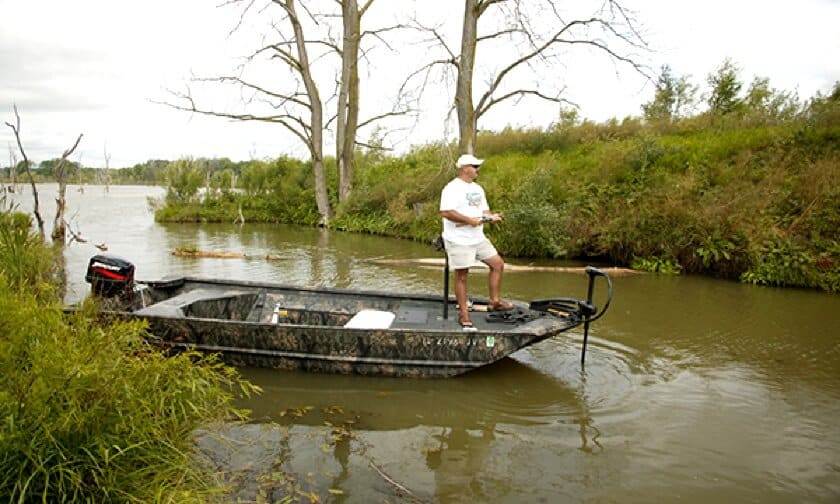
Water dominates the landscape at Banner Marsh, making it a premier destination for anglers and paddlers. The vast network of reclaimed strip-mine lakes provides excellent habitat for a variety of game fish. Whether you are launching a motorized boat or paddling a kayak through the serene, winding waterways, the interconnected lakes offer miles of explorable shoreline. State species such as largemouth bass, bluegill, crappie, and channel catfish are plentiful, drawing fishing enthusiasts year-round.
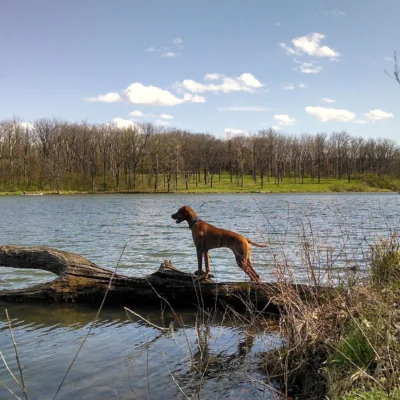
Hunting and Dog Training
True to its designation as a Fish and Wildlife Area, Banner Marsh is heavily utilized by hunters during the designated seasons. The area offers managed hunting programs primarily focused on waterfowl, capitalizing on the site’s rich wetland environment. Additionally, the expansive grasslands and open areas provide excellent designated zones for dog training, a popular activity among local sporting dog owners in the off-season.
Wildlife Observation and Birding
Due to its strategic location along the Illinois River Valley Flight Corridor of the Mississippi Flyway, Banner Marsh has been officially recognized as an Important Bird Area by the Audubon Society. More than 200 species of birds have been documented within the park’s boundaries.
Bird watchers flock here to witness massive migrations of waterfowl in the spring and fall. The area is also a critical habitat for raptors. It is common to spot osprey diving for fish, majestic bald eagles soaring overhead, and short-eared owls quartering low over the grasslands at dusk.
Facilities and Practical Information
Visitor access is well-facilitated through three main public access areas. Each entry point is equipped to ensure a comfortable visit, featuring paved parking lots, boat ramps, ADA-accessible restrooms, and scenic picnic areas perfect for a mid-day break.
Pro Tip: While youth group camping is permitted on-site with advance registration, general public camping is not available at Banner Marsh. However, if you are looking to spend the night, the Rice Lake State Fish and Wildlife Area, located just a few miles away, offers excellent traditional camping facilities.
Explore More Illinois State Parks
Banner Marsh (Illinois) is one of many outstanding state parks in Illinois. Discover more parks in our Best State Parks in Illinois guide, or use our Park Finder to search by activity, location, or features.
Keep exploring: The closest neighbor is Devils Island Wildlife Management Area (a short drive away).

🐾 Dogs & Pets at Banner Marsh State Fish and Wildlife Area
- Pets allowed? statewide rule
- Pets are allowed in Illinois state parks and on trails as long as they are leashed at all times.
- Leash rule statewide rule
- Leash required at all times; state code caps leash length at 10 feet
- Beaches & swim areas statewide rule
- Pets are prohibited in areas posted 'NO PETS', reserved for beach areas, concession areas and crowded campground/picnic areas (e.g. no dogs on the beach at Illinois Beach State Park)
- Cabins & lodging statewide rule
- Pets are not allowed in campground cabins
- Statewide exceptions statewide rule
- Leash rule exceptions for hunting dogs, field trials and dog training areas; pets must not be left unattended
Are dogs allowed at Banner Marsh State Fish and Wildlife Area?
Pets are allowed in Illinois state parks and on trails as long as they are leashed at all times. Individual parks can post stricter rules — check signage on arrival.
Rules verified July 2026 via dnr.illinois.gov. More: Illinois state parks guide · Dog rules in all 50 states compared
Park Location
Plan your gear for Banner Marsh State Fish and Wildlife Area
From our editorial guides, matched to this park’s activities: