🌤 Weather at Bartlett Brook Wildlife Management Area by season
| Spring | Summer | Fall | Winter |
|---|---|---|---|
| 25–68 °F | 54–80 °F | 31–72 °F | 17–41 °F |
Each range runs from the coldest monthly average low to the warmest monthly average high in that season (1991-2020 climate normals), measured at Hampton, 4 mi away, elevation 490 ft. Conditions at the park can differ from the station, especially where elevation differs — check a forecast before you go.

🏆 Rural Woodland — Upland forest and brook habitat in rural eastern Connecticut
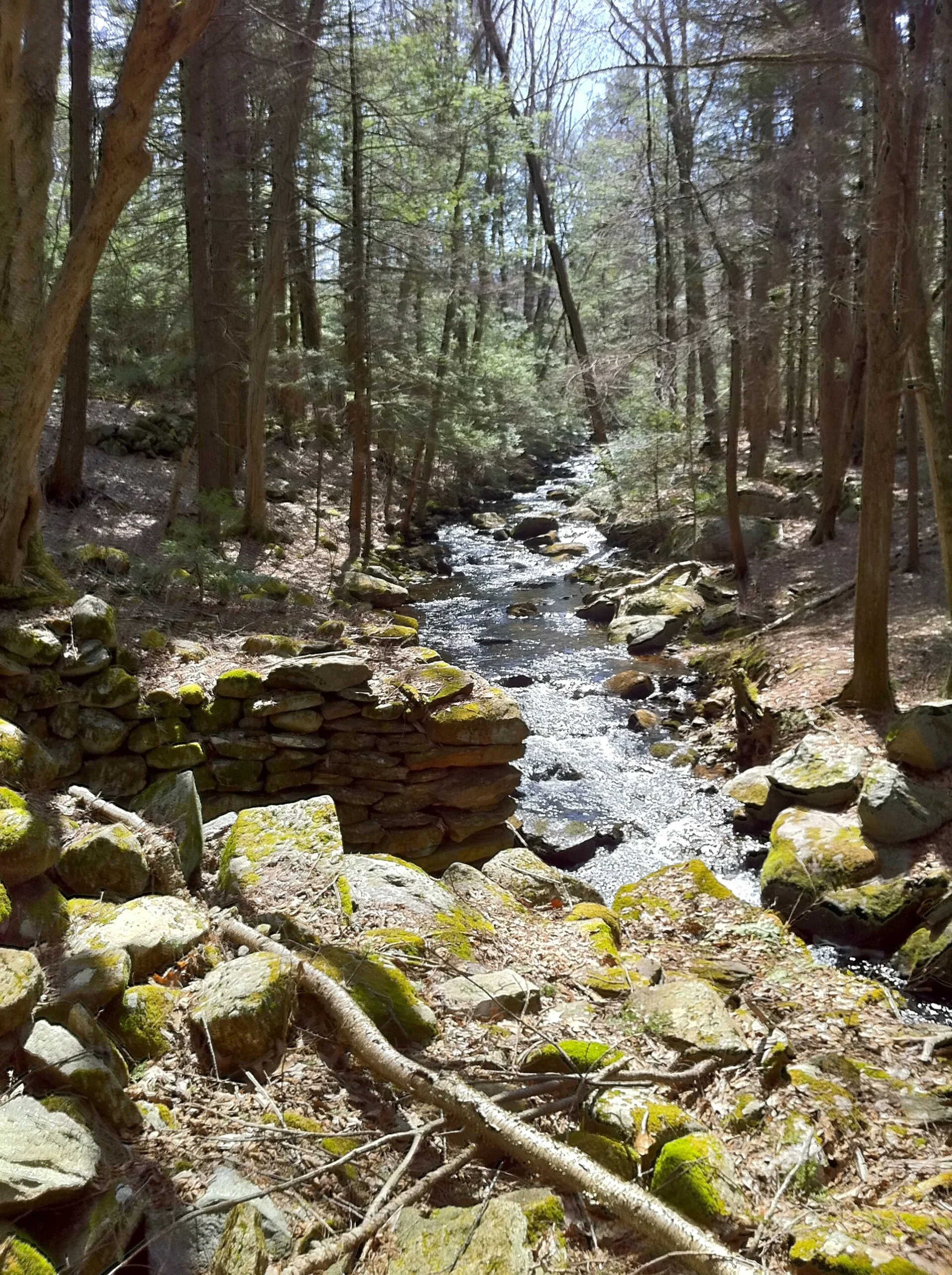
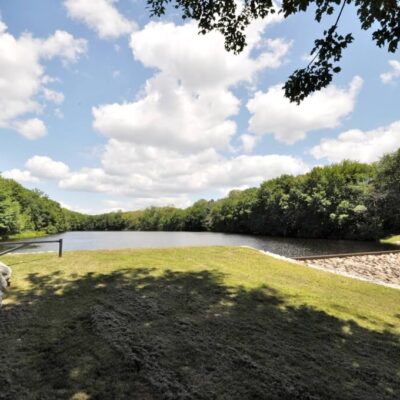
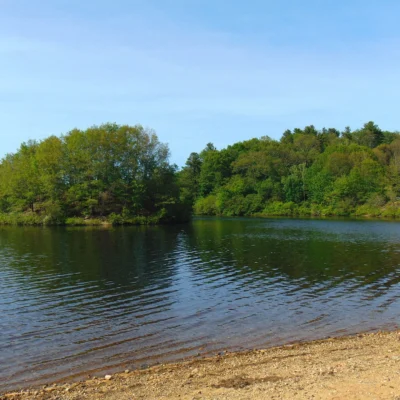
Bartlett Brook Wildlife Management Area protects upland forest and riparian habitat along Bartlett Brook in eastern Connecticut. The property features a mix of oak-hickory forest and wetland edges that provide food and cover for white-tailed deer, wild turkey, and ruffed grouse. Connecticut’s rural eastern hills (“Quiet Corner”) remain surprisingly wild despite the state’s dense overall population.
Visitor Information
| Detail | Information |
|---|---|
| Location | Eastern CT (“Quiet Corner”) |
| Entry Fee | Free |
| Habitat | Oak-hickory forest, brook |
Frequently Asked Questions
What is the “Quiet Corner”?
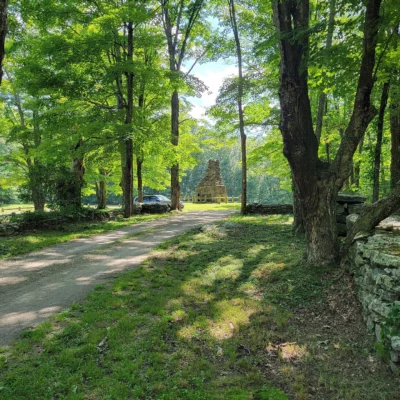
Northeastern Connecticut is nicknamed the “Quiet Corner” — a surprisingly rural area of stone walls, farms, and forests in the nation’s third-smallest and fourth-most-densely populated state.
Are brook trout really trout?
Brook trout (Salvelinus fontinalis) are actually char — related to Arctic char and lake trout, not brown or rainbow trout. They’re the only native stream trout in the eastern US. “Brookies” need cold, clean water (below 68°F) — making them indicators of stream health. As temperatures rise, brook trout are retreating to higher, colder streams. Connecticut’s wild brook trout populations are increasingly isolated and vulnerable.
About Bartlett Brook
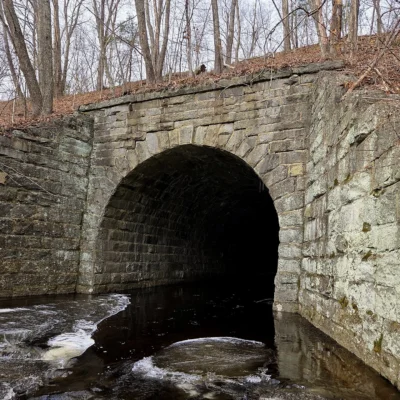
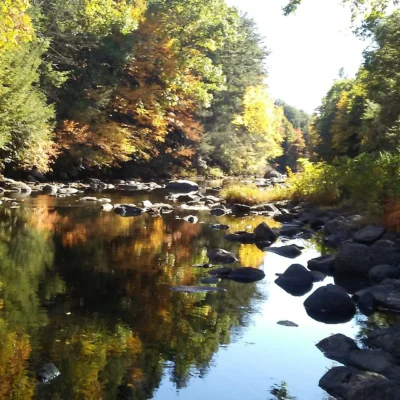
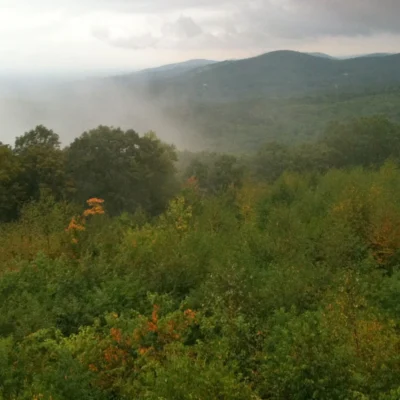
Bartlett Brook Wildlife Management Area in East Haddam protects a stream corridor and surrounding mixed hardwood forest in the Connecticut River valley hills. The brook flows through rocky ravines and peaceful meadows, creating varied habitat for wildlife including wild turkey, white-tailed deer, and ruffed grouse.
Things to Do
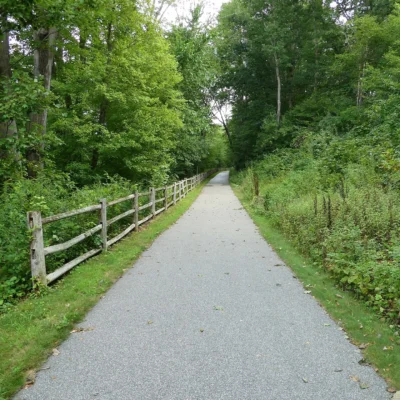
Hunting (deer, turkey, small game), hiking through the forest, fishing in Bartlett Brook for native brook trout, and birdwatching. The area offers a quiet woodland experience in the scenic hills east of the Connecticut River.
Insider Tips
Brook trout: Bartlett Brook supports native brook trout — Connecticut’s state fish and the only trout native to the eastern US. Pro tip: CT’s cold-water streams are under pressure from development and warming temperatures — protecting riparian buffers is critical for trout survival. Land Trust: Connecticut has 130+ land trusts — more per capita than any other state.
Best Time to Visit
Spring: Trout fishing season opens. Fall: Brook foliage. Summer: Shaded stream walks. Winter: Winter trout fishing.
Wildlife & Nature
Bartlett Brook WMA protects a riparian corridor and adjacent upland forest that together support a rich diversity of wildlife. Brook trout — Connecticut’s only native trout — require cold, clean streams like Bartlett Brook. Their presence indicates excellent water quality. The surrounding forest of oak, hickory, and maple provides habitat for wild turkeys, which have made a remarkable comeback in Connecticut after being extirpated in the mid-1800s. Ruffed grouse — another declining species — depend on young forest habitat maintained through careful wildlife management. Spring brings migrating warblers, while winter residents include golden-crowned kinglets and brown creepers.
Nearby Attractions
Connecticut’s compact size means no attraction is far away. Devil’s Hopyard State Park features Chapman Falls, a 60-foot waterfall cascading over Scottish-stone steps. The Connecticut River Museum in Essex tells the story of New England’s longest river. Gillette Castle State Park — built by actor William Gillette (the original Sherlock Holmes) — offers a quirky stone castle overlooking the Connecticut River. The Essex Steam Train & Riverboat combines a vintage train ride with a Connecticut River cruise through some of the river’s most scenic sections.
More parks nearby: James L. Goodwin State Forest is a short drive away, while Quinebaug River Wildlife Management Area lies a short drive away.
🌳 Visit Bartlett Brook WMA
CT’s Quiet Corner — woodland and brook in surprisingly rural New England.

🐾 Dogs & Pets at Bartlett Brook Wildlife Management Area
- Pets allowed? statewide rule
- Pets on a leash are permitted in most Connecticut state parks and forests, but not in buildings, swimming areas or state park campgrounds.
- Leash rule statewide rule
- Pets must be leashed and under control at all times; in state forest camping areas the leash may be no longer than 7 feet.
- Beaches & swim areas statewide rule
- Pets are prohibited in swimming areas; Sherwood Island and Squantz Pond State Parks ban pets entirely April 15 - September 30.
- Cabins & lodging statewide rule
- Pets are banned from all state park campgrounds; they are allowed only in the American Legion, Pachaug and Salt Rock state forest campgrounds, but not on rustic cabin sites.
- Statewide exceptions statewide rule
- Pets prohibited year-round at Dinosaur State Park and in the formal gardens and beach at Harkness Memorial State Park.
Are dogs allowed at Bartlett Brook Wildlife Management Area?
Pets on a leash are permitted in most Connecticut state parks and forests, but not in buildings, swimming areas or state park campgrounds. Individual parks can post stricter rules — check signage on arrival.
Rules verified July 2026 via portal.ct.gov. More: Connecticut state parks guide · Dog rules in all 50 states compared
Park Location
Plan your gear for Bartlett Brook Wildlife Management Area
From our editorial guides, matched to this park’s activities:

Top Tours & Activities Near New London
 from $79
 from $41
 from $550