🌤 Weather at Battle of Alamance by season
| Spring | Summer | Fall | Winter |
|---|---|---|---|
| 39–80 °F | 65–91 °F | 38–83 °F | 30–56 °F |
Each range runs from the coldest monthly average low to the warmest monthly average high in that season (1991-2020 climate normals), measured at Burlington Alamance Airport, 2 mi away, elevation 617 ft. Conditions at the park can differ from the station, especially where elevation differs — check a forecast before you go.

⚔️ Five Years Before Lexington — The Battle That Lit the Fuse of the American Revolution — Alamance Battleground State Historic Site in Alamance County, North Carolina, site of the Battle of Alamance (May 16, 1771), Regulator movement vs. Royal Governor William Tryon’s militia, pre-Revolutionary War colonial rebellion against corrupt taxation, visitor center with exhibits, battlefield monuments, walking trail, picnic grounds — Alamance County, NC
On May 16, 1771 — five years before the Declaration of Independence — North Carolina frontier settlers took up arms against their own colonial government. They called themselves the Regulators, and they were fighting against corrupt tax collectors, rigged courts, and a government that served the coastal elite while ignoring the backcountry.
Royal Governor William Tryon marched a militia of 1,000 men to crush the rebellion. The two sides met at Alamance Creek. The battle lasted two hours. The Regulators were defeated, their leaders executed or exiled. But the grievances didn’t die — they burned through the frontier for five more years until they erupted into full revolution.
What to See
| Feature | Details |
|---|---|
| Visitor Center | Exhibits on the Regulator movement, the battle, and the political conditions that led to armed rebellion. Weapons, documents, and artifacts from the colonial period |
| Battlefield Walk | Walking trail through the actual battlefield with interpretive markers. See where Tryon’s militia formed their lines and where the Regulators made their stand |
| Monuments | Multiple monuments marking key positions and commemorating the fallen. The Allen Monument marks the execution site of Regulator leaders |
| Colonial Cemetery | Graves of participants and local settlers from the colonial period |
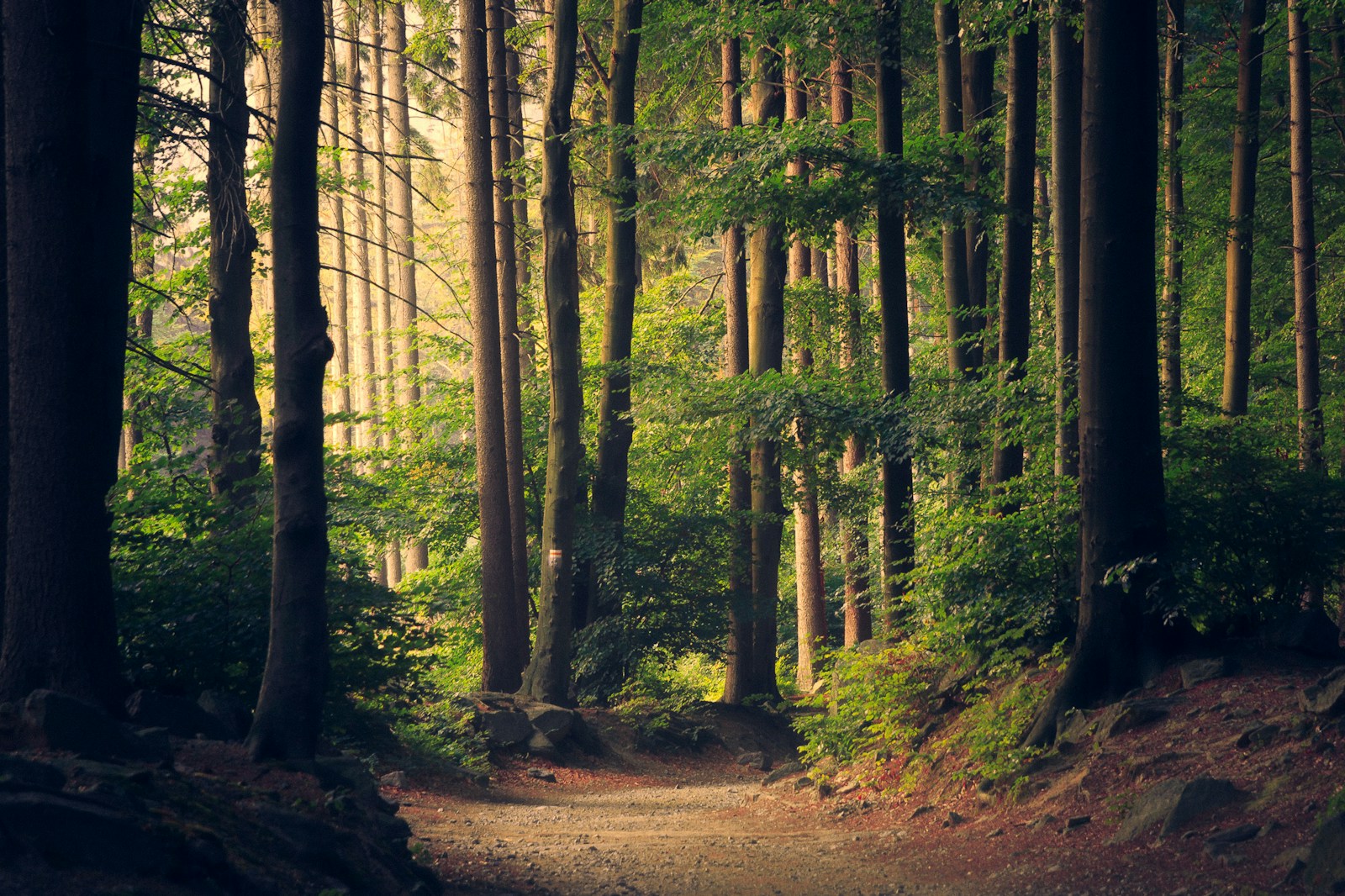
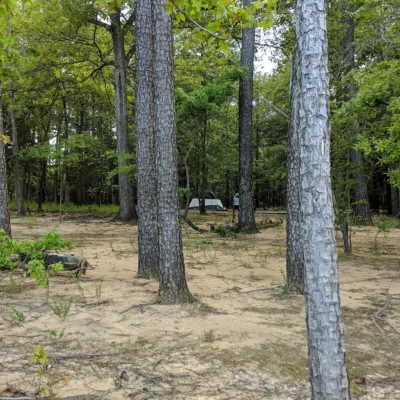
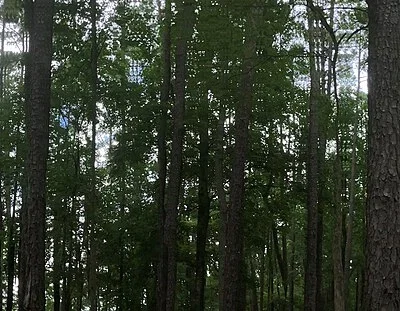
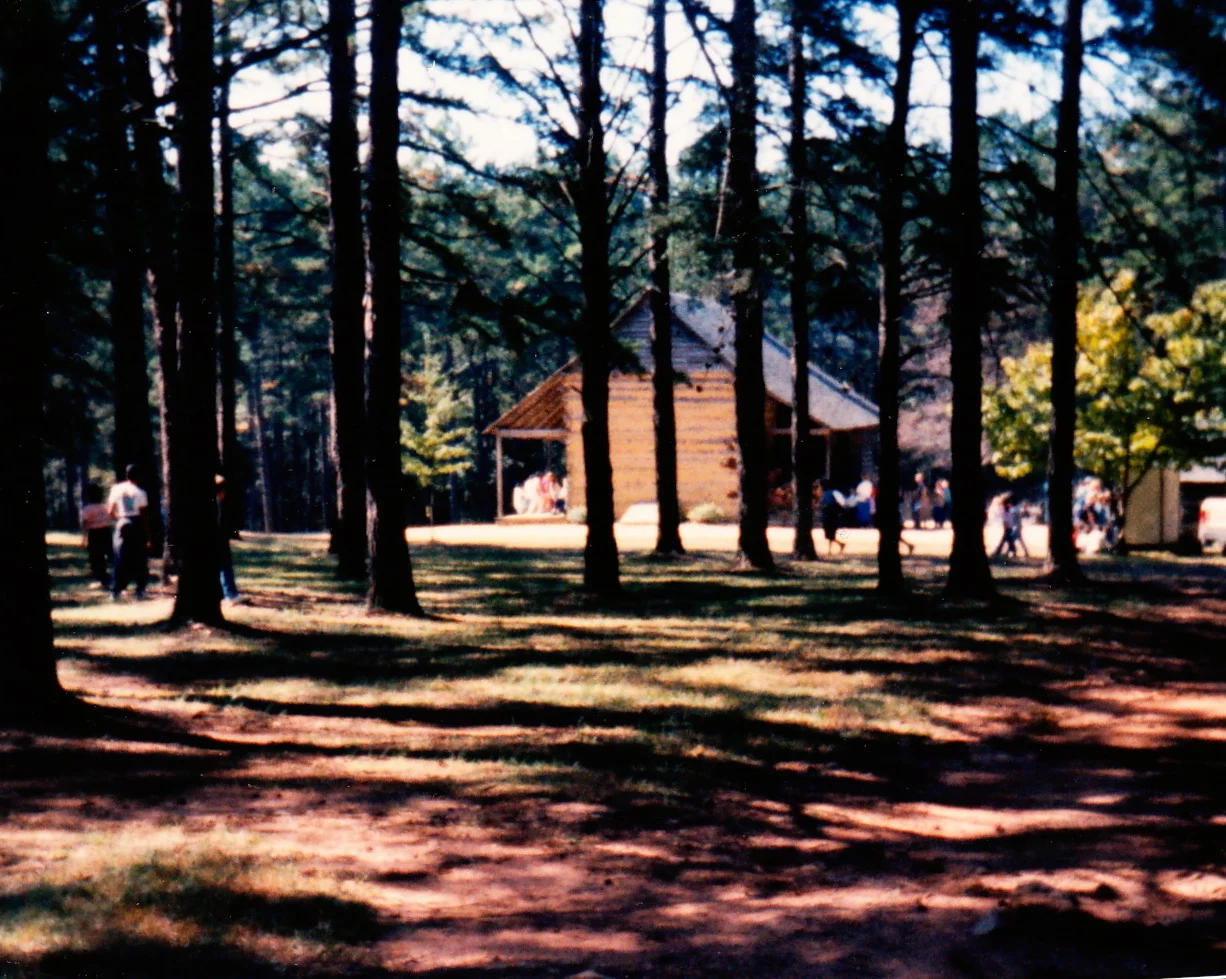
| Picnic Grounds | Shaded picnic area under mature hardwoods. A peaceful spot on land that saw violence 250 years ago |
The Timeline
| Year | Event |
|---|---|
| 1760s | North Carolina’s western frontier settlers face corrupt tax collection, excessive fees, and courts controlled by eastern elites. Petitions for reform are ignored |
| 1768 | The Regulator movement forms — backcountry farmers organize to “regulate” corrupt officials. They disrupt courts, refuse to pay illegitimate taxes, and demand reform |
| 1770 | Tensions escalate. Regulators storm the courthouse in Hillsborough. Governor Tryon declares them outlaws |
| May 16, 1771 | The Battle of Alamance — Governor Tryon’s 1,000-man militia meets approximately 2,000 Regulators near Alamance Creek. The two-hour battle ends in Regulator defeat. Nine killed on each side |
| June 1771 | Six Regulator leaders are tried and hanged for treason. Thousands of backcountry settlers are forced to swear oaths of allegiance. Many flee to Tennessee and other frontier territories |
| 1775–1776 | The grievances of the Regulators fuel revolutionary sentiment. Many former Regulators and their descendants join the Patriot cause against the British Crown |
Best Time to Visit
| Season | Best For |
|---|---|
| Spring (Mar–May) | 🌸 Comfortable weather for battlefield walks. Dogwoods blooming. Anniversary of the battle (May 16). Special events |
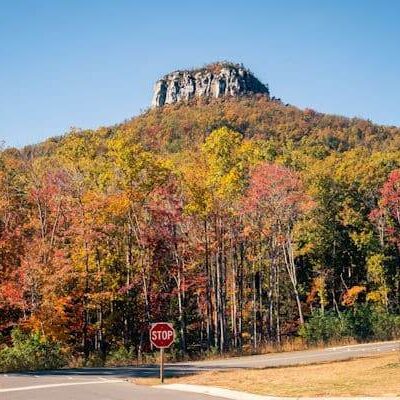
| Fall (Oct–Nov) | 🍂 Autumn foliage on the battlefield. Cool, clear weather. Historical reenactment events |
| Summer (Jun–Aug) | Hot and humid North Carolina summer. Indoor exhibits air-conditioned. Morning battlefield walks best |
| Winter (Dec–Feb) | Mild Piedmont winter. Leafless trees reveal the terrain the soldiers fought over. Quiet and contemplative |
Frequently Asked Questions
Was this really before the American Revolution?
Yes — the Battle of Alamance was fought on May 16, 1771, five years before the Declaration of Independence. The Regulators were American colonists fighting against their own colonial government, not the British Crown directly. But the underlying issues — taxation without representation, corrupt officials, denial of rights — were the same issues that ignited the Revolution.
What happened to the Regulators after the battle?
Six leaders were hanged. Thousands swore forced oaths of allegiance. Many fled west. The movement was crushed militarily, but its ideas survived. Former Regulators and their descendants were among the most fervent supporters of American independence five years later.
Is the battlefield preserved?
Yes — the site is managed by the North Carolina Division of State Historic Sites. The battlefield is largely intact, with walking trails, monuments, and interpretive markers. The visitor center provides context for the battle and the broader Regulator movement.
Keep exploring: The closest neighbors are Haw River State Park (within about an hour’s drive) and Occoneechee Mountain State Natural Area (within about an hour’s drive).
⚔️ Five Years Before Lexington, They Fought Here
Corrupt taxes. Rigged courts. Frontier settlers who’d had enough. The battle lasted two hours. The ideas lasted forever. This is where the American Revolution started — before anyone called it that.
Wildlife & Nature
Battle of Alamance SHS — marks the site of the first armed conflict of the American Revolution (May 16, 1771) — four years before Lexington and Concord. The Regulators (backcountry farmers) fought Royal Governor Tryon’s militia over taxation. The battlefield’s meadows and forest support white-tailed deer and songbirds.
Nearby Attractions
Burlington — adjacent. Alamance Battleground — the site. Greensboro — 20 miles west.

🐾 Dogs & Pets at Battle of Alamance
- Pets allowed? statewide rule
- Pets are permitted in all North Carolina state parks as long as they are on an attended leash and under the constant control of the owner.
- Leash rule statewide rule
- Attended leash or other restraint no longer than 6 feet required at all times
- Beaches & swim areas statewide rule
- Pets are not permitted at swim areas or in bathhouses
- Cabins & lodging statewide rule
- Pets are strictly prohibited from entering any building, including cabins; no pet-friendly cabin program
- Statewide exceptions statewide rule
- Not all campgrounds allow pets (contact the park office first); pets must be confined to tent or vehicle during quiet hours (10 p.m.-7 a.m.); at Hammocks Beach visitors must arrange their own transportation for pets to Bear Island
Are dogs allowed at Battle of Alamance?
Pets are permitted in all North Carolina state parks as long as they are on an attended leash and under the constant control of the owner. Individual parks can post stricter rules — check signage on arrival.
Rules verified July 2026 via ncparks.gov. More: North Carolina state parks guide · Dog rules in all 50 states compared