
🌤 Weather at Candlewood Hill Wildlife Management Area by season
| Spring | Summer | Fall | Winter |
|---|---|---|---|
| 29–72 °F | 59–85 °F | 34–75 °F | 20–40 °F |
Each range runs from the coldest monthly average low to the warmest monthly average high in that season (1991-2020 climate normals), measured at Danbury, 5 mi away, elevation 405 ft. Conditions at the park can differ from the station, especially where elevation differs — check a forecast before you go.

🏆 Upland Woodland — Forested hillside wildlife habitat in New Fairfield near Candlewood Lake
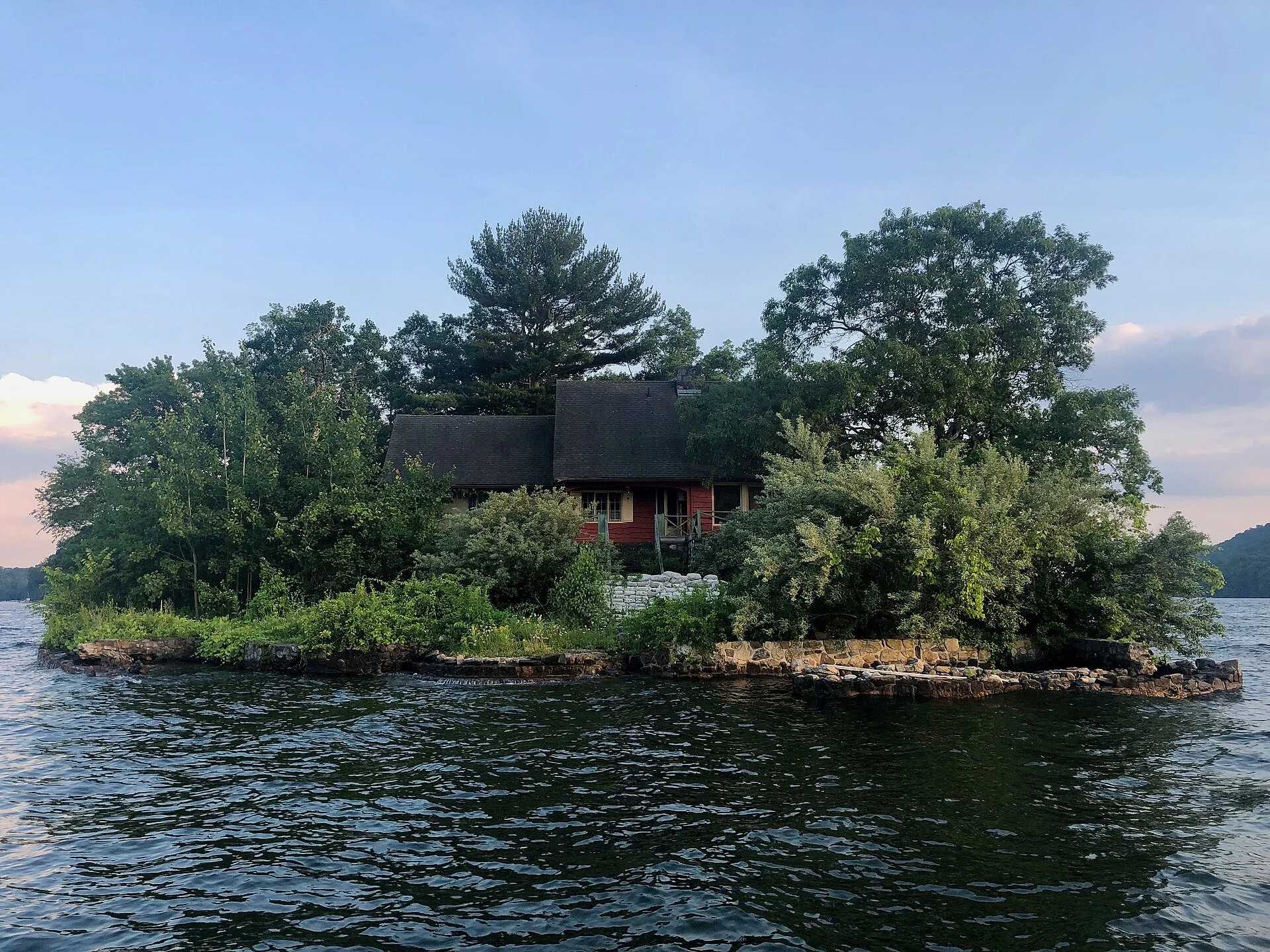
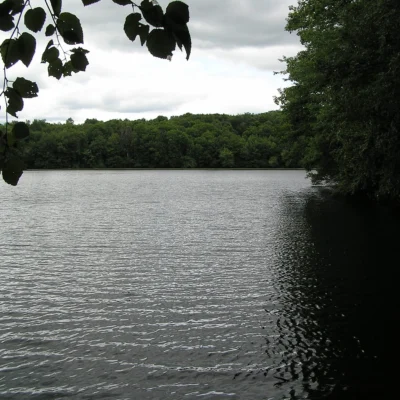
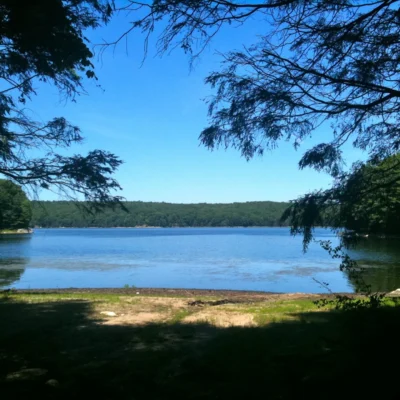
Candlewood Hill Wildlife Management Area protects forested hillside adjacent to Candlewood Lake — Connecticut’s largest lake (created by damming the Rocky River in 1928). The oak-dominated forest provides upland habitat for deer, turkey, and migratory songbirds. The proximity to Connecticut’s largest lake makes this a popular area for outdoor recreation.
Visitor Information
| Detail | Information |
|---|---|
| Location | New Fairfield, near Candlewood Lake, CT |
| Entry Fee | Free |
| Lake | Near Candlewood Lake (CT’s largest!) |
Frequently Asked Questions
Can I access Candlewood Lake from here?
The WMA is primarily upland forest — separate access points provide lake recreation. Candlewood Lake offers boating, fishing, and swimming at several public launches.
How was Candlewood Lake created?
Candlewood Lake was created in 1928 by Connecticut Light and Power — water was pumped from the Housatonic River up 230 feet through a tunnel into a natural valley. The lake holds 48 billion gallons and stretches across five towns. It was one of America’s first pump-storage facilities — a concept now used worldwide for energy storage. The lake became enormously popular for recreation — its 60 miles of shoreline support lakefront communities.
About Candlewood Hill
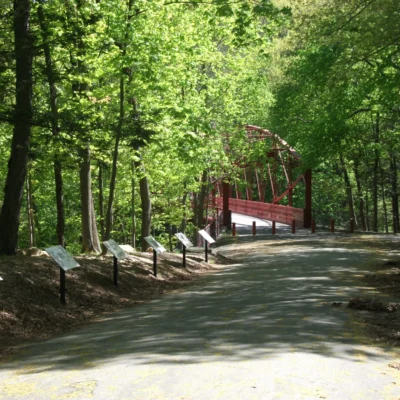
Candlewood Hill Wildlife Management Area in New Fairfield sits near Candlewood Lake — Connecticut’s largest lake. The forested hillside provides hunting grounds and wildlife habitat overlooking the lake’s northern reaches. The area’s oak-hickory forest supports diverse wildlife including black bears, bobcats, and wild turkeys.
Things to Do
Hunting (deer, turkey, small game), hiking through the forest, birdwatching, and enjoying views toward Candlewood Lake. The area is conveniently located near the lake’s recreational facilities and boat launches.
Insider Tips
Pump storage: Nearby Candlewood Lake (CT’s largest lake) is entirely man-made — created in 1928 by pumping water uphill from the Housatonic River. Pro tip: Candlewood was one of America’s first pump-storage hydroelectric projects — water is pumped up during low-demand hours and released to generate power during peaks. Innovation: CT has always been an innovation state — from the cotton gin to the submarine to the helicopter.
Best Time to Visit
Fall: New England foliage. Summer: Lake proximity. Spring: Forest wildflowers. Winter: Snow hiking.
Wildlife & Nature
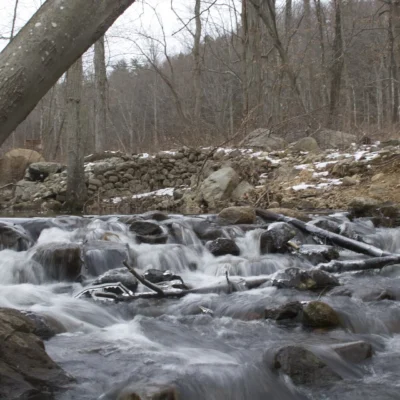
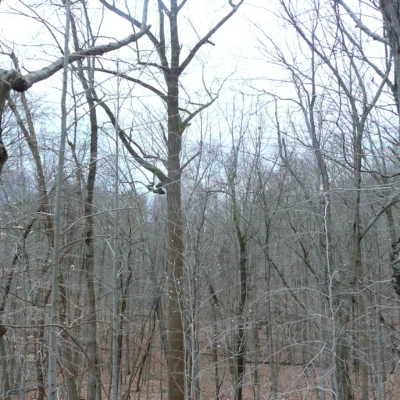
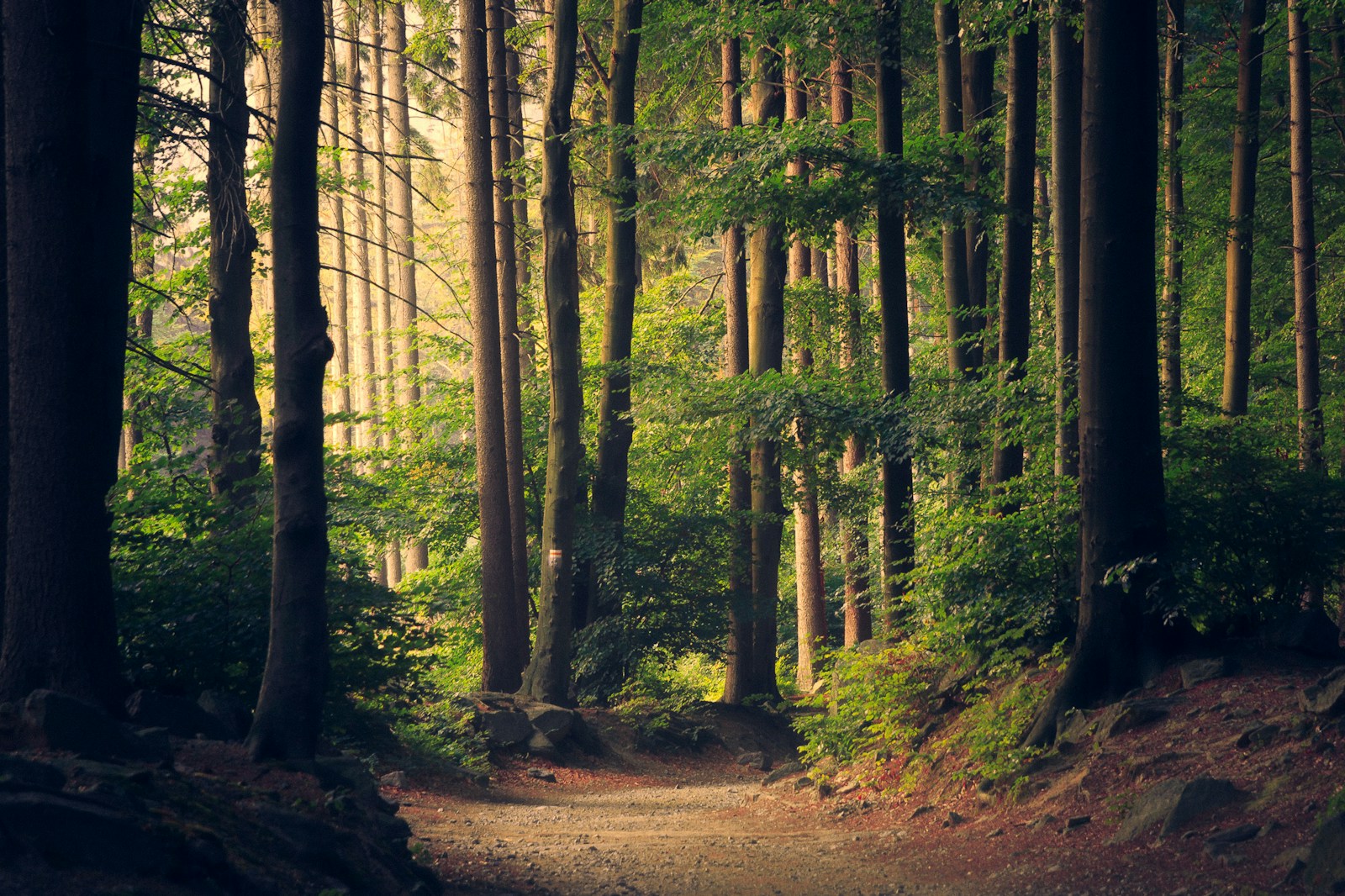
Candlewood Hill provides upland forest habitat with rocky ledges and seasonal wetlands. The oak-hickory forest supports a rich mast crop that feeds wild turkeys, white-tailed deer, gray squirrels, and black bears. Acorn production varies dramatically year to year — “mast years” with heavy crops occur every 2-5 years and trigger population booms in wildlife that depend on the nuts. Red foxes and gray foxes both inhabit the area — grays are unique among canids in their ability to climb trees. The wetland edges attract migrating woodcock in spring — their spectacular aerial courtship displays at dusk involve spiraling flights and distinctive “peent” calls.
Nearby Attractions
Candlewood Lake — Connecticut’s largest lake (11 miles long) — was created in 1928 as a hydroelectric reservoir. It’s now a premier recreation destination with boating, fishing, and waterfront dining. Squantz Pond State Park on Candlewood Lake’s shore offers swimming and kayaking. New Fairfield and Sherman are quintessential New England villages with white churches, town greens, and local farms. Lover’s Leap State Park in New Milford features dramatic cliffs above the Housatonic River. The area is part of Connecticut’s “Western Highlands” — the least-developed region of the state.
Keep exploring: The closest neighbors are Squantz Pond State Park (a short drive away) and Wooster Mountain State Park (a short drive away).

🐾 Dogs & Pets at Candlewood Hill Wildlife Management Area
- Pets allowed? statewide rule
- Pets on a leash are permitted in most Connecticut state parks and forests, but not in buildings, swimming areas or state park campgrounds.
- Leash rule statewide rule
- Pets must be leashed and under control at all times; in state forest camping areas the leash may be no longer than 7 feet.
- Beaches & swim areas statewide rule
- Pets are prohibited in swimming areas; Sherwood Island and Squantz Pond State Parks ban pets entirely April 15 - September 30.
- Cabins & lodging statewide rule
- Pets are banned from all state park campgrounds; they are allowed only in the American Legion, Pachaug and Salt Rock state forest campgrounds, but not on rustic cabin sites.
- Statewide exceptions statewide rule
- Pets prohibited year-round at Dinosaur State Park and in the formal gardens and beach at Harkness Memorial State Park.
Are dogs allowed at Candlewood Hill Wildlife Management Area?
Pets on a leash are permitted in most Connecticut state parks and forests, but not in buildings, swimming areas or state park campgrounds. Individual parks can post stricter rules — check signage on arrival.
Rules verified July 2026 via portal.ct.gov. More: Connecticut state parks guide · Dog rules in all 50 states compared
Park Location
Plan your gear for Candlewood Hill Wildlife Management Area
From our editorial guides, matched to this park’s activities:
Top Tours & Activities Near Connecticut
 from $100
 from $28from $75