Cape Henlopen State Park
Where Delaware Bay Meets the Atlantic: 5,000 Acres of Beaches, Dunes, and WWII History
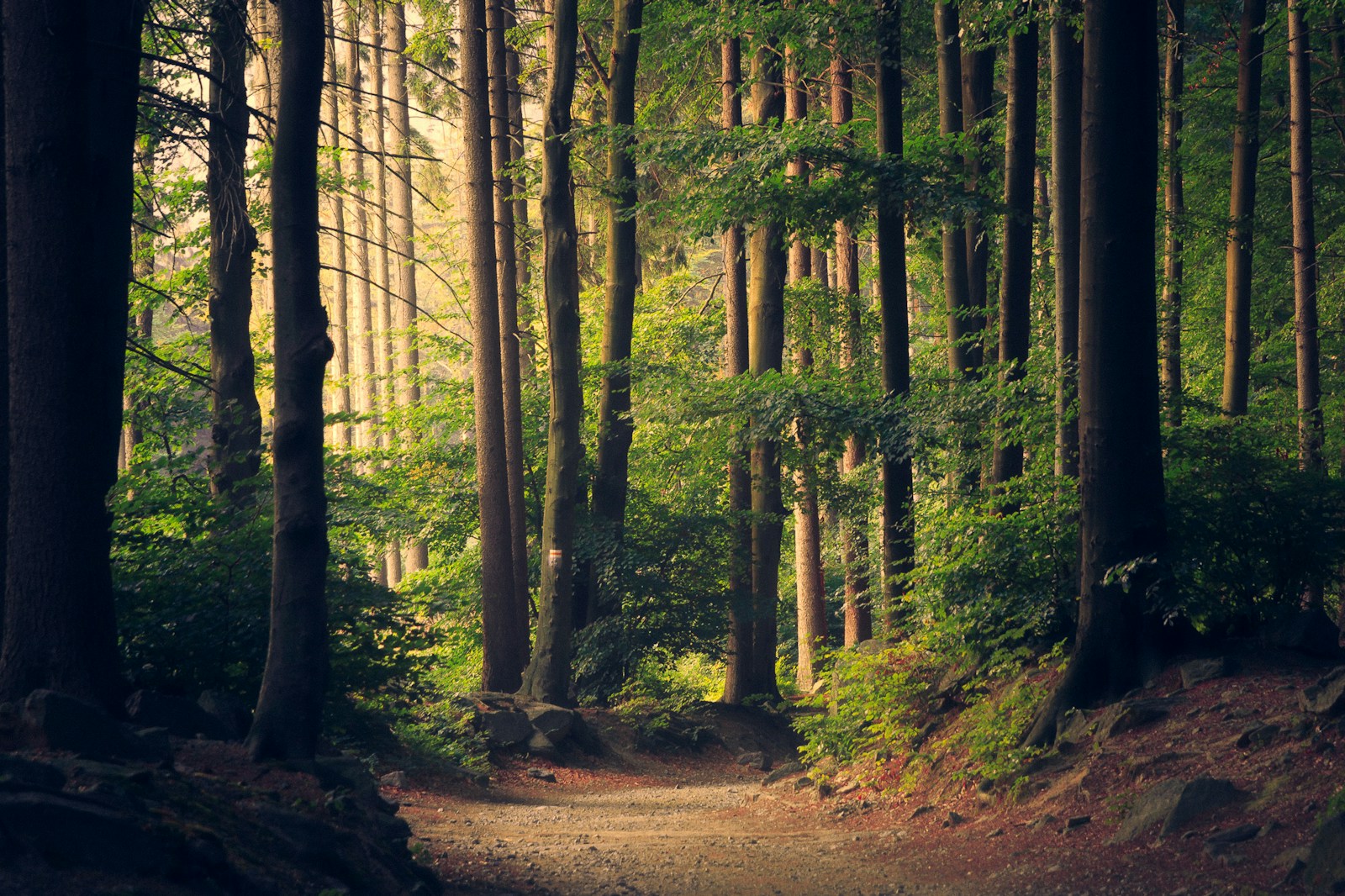
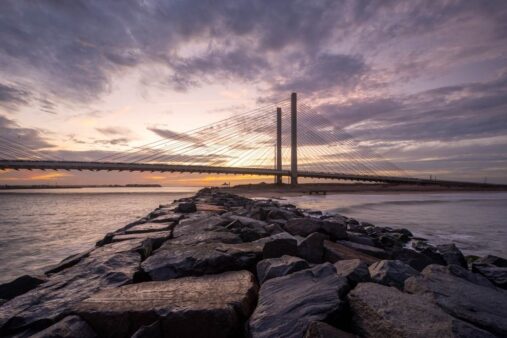
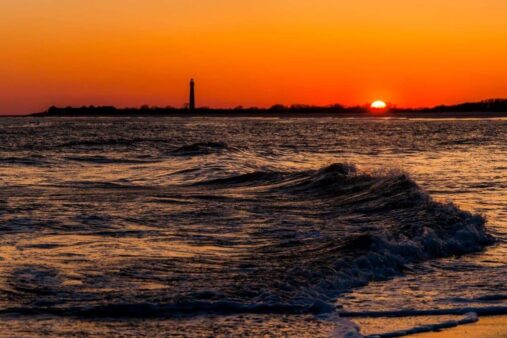
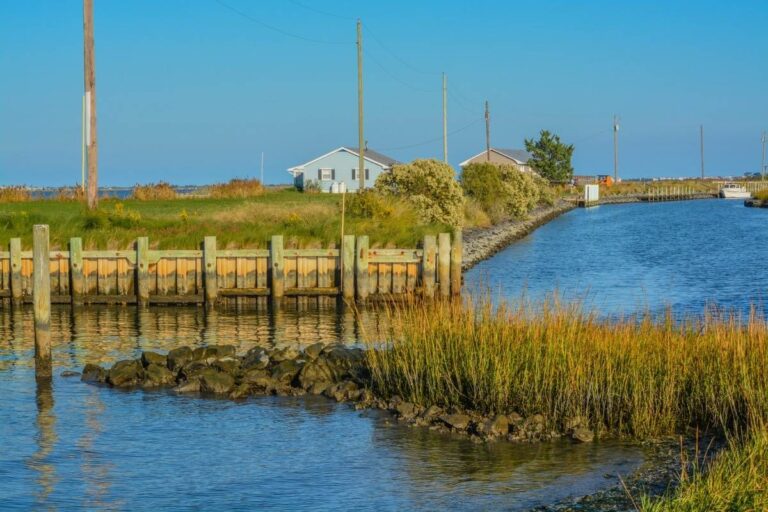
At the tip of the Delaware coast, where the Delaware Bay collides with the Atlantic Ocean, lies a 5,000-acre natural treasure that combines pristine beaches, towering sand dunes, dark pine forests, and a fascinating World War II military history. Cape Henlopen State Park is Delaware’s most popular state park — and for good reason. It’s the rare place where you can swim in the ocean, climb a WWII observation tower for 360° views, bike miles of paved trails, camp steps from the beach, and watch migrating shorebirds and horseshoe crabs — all in a single weekend.
The park sits on a migrating sand spit that has been shifting for thousands of years. Its massive dunes — including the 80-foot-tall Great Dune — are among the most impressive on the Mid-Atlantic coast. And beneath the surface lies the story of Fort Miles, a World War II coastal defense installation that once guarded the entrance to Delaware Bay against German U-boats.
🏖️ Beaches
| Beach | Features | Lifeguards | Best For |
|---|---|---|---|
| Main Beach (Atlantic) | Modern bathhouse, showers, food concession, ADA beach wheelchairs | Memorial Day – Labor Day | Swimming, sunbathing, families |
| North Shore Beach (Bay) | Calmer waters, seashells, historic backdrop, WWII tower views | Seasonal | Beachcombing, quieter swimming, photography |
| Gordon’s Pond Beach | Walk-in only, remote feel, fewer crowds | None | Solitude, birdwatching, surf fishing |
🏰 Fort Miles & WWII History
During World War II, the U.S. military built Fort Miles on Cape Henlopen to defend the Delaware Bay — one of the most strategically important waterways on the East Coast. The fort bristled with massive artillery, observation towers, and defensive installations designed to repel a German naval invasion that never came.
- Observation Tower 7 — Restored concrete fire control tower offering stunning 360° panoramic views of the bay and ocean. Free to climb.
- Fort Miles Historical Area — Self-guided tours through restored bunkers, gun emplacements, and the Fort Miles Museum
- Battery 519 — One of the original gun batteries with interpretive signage
🥾 Trails
| Trail | Distance | Surface | Highlights |
|---|---|---|---|
| Gordon’s Pond Trail | 3.2 mi one-way | Paved | Scenic coastal views, bird habitat, connects to Rehoboth Beach |
| Bike Loop | 3.8 mi | Asphalt/concrete | ADA-accessible; connects all park areas |
| Seaside Nature Trail | 1.5 mi | Natural | Maritime forest, dune ecology, coastal plants |
| Pinelands Nature Trail | 1.0 mi | Natural | Shaded pine forest walk |
| Walking Dunes Trail | 0.5 mi | Sand/boardwalk | Active migrating dune system; Great Dune views |
🐦 Wildlife & Nature
- Horseshoe Crabs — Every May/June, thousands of horseshoe crabs spawn on the bay shore beaches — one of the largest spawning events on the East Coast
- Shorebird Migration — Red knots, sandpipers, and plovers flock to the beaches to feed on horseshoe crab eggs during spring migration
- Nesting Season — Beach sections close March 1 – October 1 to protect nesting piping plovers and least terns
- Seaside Nature Center — Interpretive programs, live animal exhibits, and educational displays
🏕️ Camping
| Option | Sites | Features | Price |
|---|---|---|---|
| Full Hookup Sites | 120 | Water, electric (50/100 amp), fire ring, picnic table | ~$35/night |
| Tent-Only Sites | 43 | Walk-to and drive-to; more secluded | ~$25/night |
| Cabins | 12 | Year-round; heat and A/C | ~$80–120/night |
📅 Seasonal Guide
| Season | Dates | Highlights | Considerations |
|---|---|---|---|
| Spring | Mar–May | Horseshoe crab spawning, shorebird migration, wildflowers | Some beaches closed for nesting; cooler water |
| Summer | Jun–Aug | Beach swimming, lifeguards, all facilities open, disc golf | $10 vehicle entry fee; parking can fill by 10 AM on weekends |
| Fall | Sep–Nov | Fewer crowds, fall hawk migration, pleasant temperatures | Lifeguards end Labor Day; some facilities close |
| Winter | Dec–Feb | Solitude, winter birding, storm watching, campground open | Limited facilities; bundled beachcombing |
💰 Budget Planner
| Item | Cost | Notes |
|---|---|---|
| Vehicle Entry (Jun–Sep) | $10/day (DE plates) / $10/day (out of state) | Annual passes available; free rest of year |
| Hookup Campsite | ~$35/night | Reservations recommended; year-round |
| Tent Site | ~$25/night | Walk-to sites most secluded |
| Cabin | $80–120/night | Year-round; heat and A/C included |
| Disc Golf | Free | 18-hole course in park |
❓ Frequently Asked Questions
Is there an entry fee for Cape Henlopen State Park?
There is a $10 per vehicle entry fee during the summer season (approximately Memorial Day through Labor Day). The rest of the year, entry is free. Delaware residents and annual pass holders may have different rates. Camping fees are separate.
Can you climb the WWII observation tower?
Yes! Observation Tower 7 has been restored and is free and open to the public. The climb offers breathtaking 360° panoramic views of the Delaware Bay, Atlantic Ocean, and distant coastline. It was built between 1939 and 1942 as part of the Harbor Defenses of the Delaware during World War II.
When is the horseshoe crab spawning at Cape Henlopen?
Horseshoe crabs spawn primarily in May and June, with peak activity occurring during full and new moon high tides. Delaware Bay is one of the world’s largest horseshoe crab spawning grounds. The event also attracts massive numbers of migratory shorebirds, making it one of the most spectacular wildlife events on the East Coast.
Can you bike at Cape Henlopen State Park?
Yes! The park has an excellent 3.8-mile paved bike loop that connects the campground, bathhouse, observation tower, and Fort Miles. The Gordon’s Pond Trail (3.2 miles one-way) extends to Rehoboth Beach and is also paved and bike-friendly. Total paved trail network exceeds 7 miles.
Is camping available year-round at Cape Henlopen?
Yes — the campground is open year-round. There are 163 campsites (120 with hookups, 43 tent-only) and 12 cabins. Reservations are recommended, especially for summer dates. Winter camping offers solitude and discounted rates.