🌤 Weather at Clam Gulch State Recreation Area by season
| Spring | Summer | Fall | Winter |
|---|---|---|---|
| 12–56 °F | 40–66 °F | 12–55 °F | 5–28 °F |
Each range runs from the coldest monthly average low to the warmest monthly average high in that season (1991-2020 climate normals), measured at Soldotna 5SSW, 16 mi away, elevation 180 ft. Conditions at the park can differ from the station, especially where elevation differs — check a forecast before you go.

🦪 Alaska’s Razor Clam Capital — A Beach Named for What You Dig There — Clam Gulch State Recreation Area on the Kenai Peninsula, Alaska, 120 campsites on bluffs above Cook Inlet, historically the premier razor clam beach in Alaska (currently closed due to low populations), panoramic volcano views (Redoubt, Iliamna, Spurr), ATV beach access, beachcombing, wildlife — Kenai Peninsula Borough, AK
They named the beach for the clams. For generations, Alaskans drove to Clam Gulch during minus tides, walked onto the Cook Inlet beach, and dug razor clams by the dozens. The clams lived in the sand — long, thin shellfish that could dig faster than you if you weren’t quick with a shovel. A good clamming tide could fill a bucket in an hour.
The clam fishery is currently closed. Populations crashed to historic lows, and the Alaska Department of Fish & Game shut down harvesting until numbers recover. But Clam Gulch remains — the bluffs, the views, the beach, and 120 campsites above Cook Inlet with three active volcanoes on the horizon.
What to Do
| Activity | Details |
|---|---|
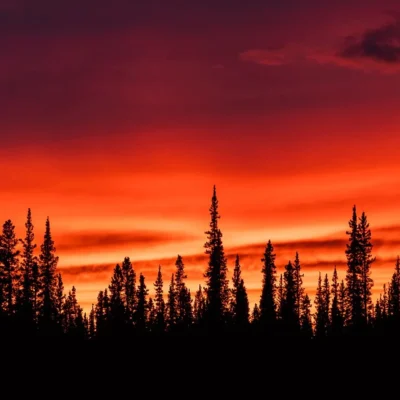
| The View | The campground sits on high bluffs overlooking Cook Inlet. On clear days: Mount Redoubt (10,197 ft), Mount Iliamna (10,016 ft), and Mount Spurr (11,070 ft) — three active volcanoes lined up across the water. Sunset behind the volcanic skyline is extraordinary |
| Camping | 120 first-come, first-served campsites on the bluffs. Tent and RV sites (up to 35 ft). Fire rings, picnic tables, water pumps, vault toilets. No hookups. 15-day camping limit. Basic but the setting compensates for everything |
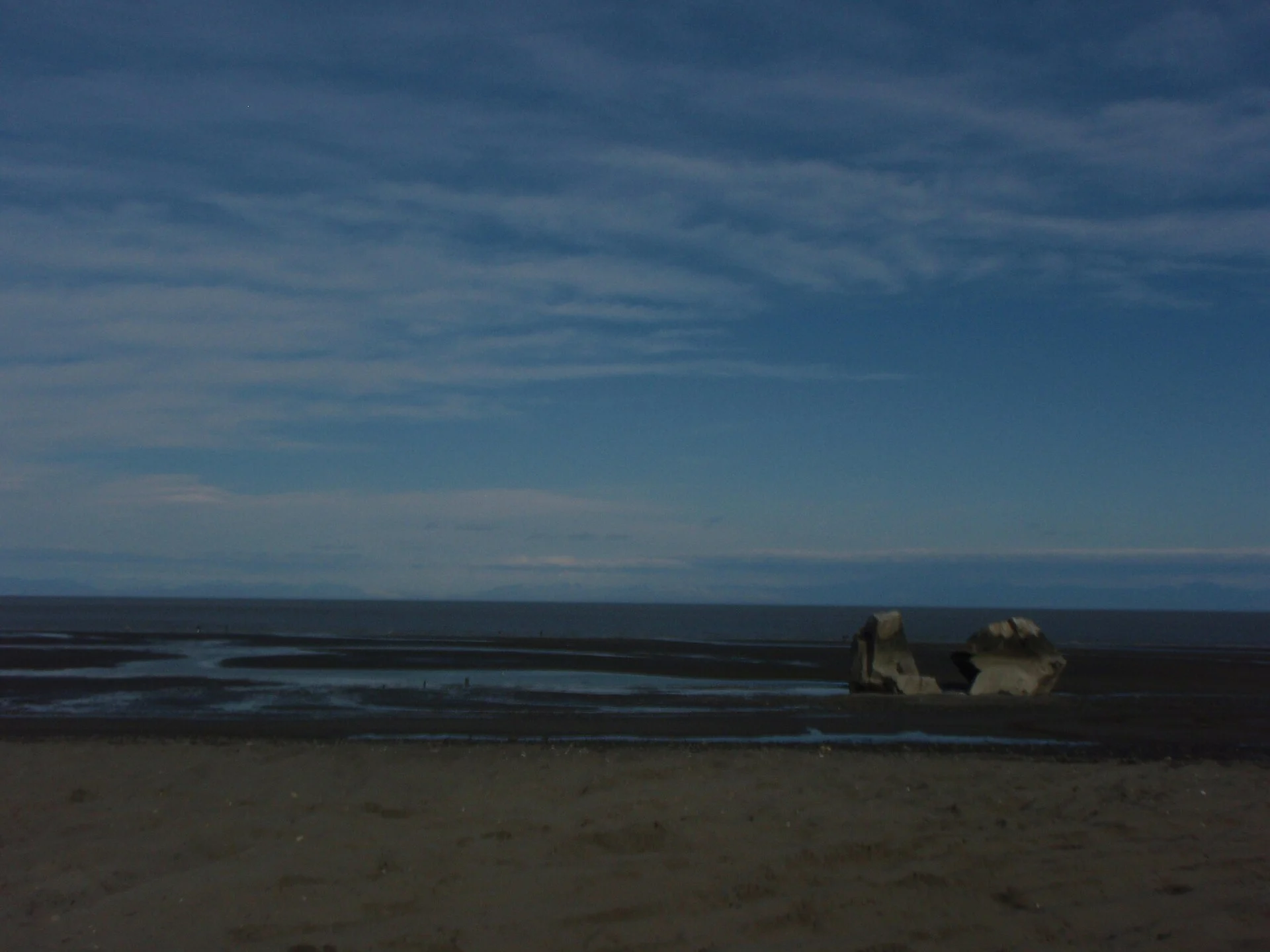
| Beach Access | A road descends from the bluffs to the beach — accessible by vehicle and ATV. The beach stretches for miles in both directions along Cook Inlet. Beachcombing for agates, driftwood, and the shells of better days |
| ATV Riding | ATVs permitted on the campground loop road, the beach access road, and the saltwater beach. Speed limits enforced. Helmets required for riders under 18. One of the few Alaska state parks with legal beach ATV access |
| Wildlife | Moose in the spruce forest behind the bluffs. Bald eagles patrolling the beach. Shorebirds at the tideline. Beluga whales occasionally visible in the inlet. The beach ecosystem persists even without the clams |
The Razor Clams
| Feature | Details |
|---|---|
| The Species | Pacific razor clams (Siliqua patula) — elongated shellfish up to 6 inches long that burrow in sandy beaches. When disturbed, they can dig downward at remarkable speed. The race between clamdigger and clam is the sport |
| The Tradition | For decades, Clam Gulch was Alaska’s premier razor clamming destination. Families drove from Anchorage (3 hours) specifically for minus tides. Clamming was — and remains — a deep cultural tradition on the Kenai Peninsula |
| The Closure | Adult razor clam populations on the east side of Cook Inlet have fallen to historic lows. The fishery has been closed for several consecutive years. Recovery is uncertain. Scientists are studying the causes — possibly related to changing ocean conditions |
| Hope | The closure is intended to allow populations to rebuild. The name “Clam Gulch” carries the promise that someday the beach will again be thick with diggers at minus tide. Check ADF&G for current status before planning any clamming trip |
Best Time to Visit
| Season | Best For |
|---|---|
| Summer (Jun–Aug) | ☀️ Longest days. Best volcano visibility. Camping on the bluffs. Beach walking. Wildlife active. The inlet at its calmest and most photogenic |
| Fall (Sep) | Northern lights beginning. Fall color on the birch trees. Fewer campers. Clear skies for volcano views. The beach wind picking up |
| Spring (May) | Season opening. Snow melting. Bears emerging. The bluffs greening. Eagles returning. The inlet still gray and cold |
| Winter (Oct–Apr) | Campground closed or minimally maintained. Short days. But the northern lights over the volcanic skyline — for the hardy few with a warm sleeping bag |
Frequently Asked Questions
Can I dig clams right now?
No — the razor clam fishery on the east side of Cook Inlet is currently closed due to historically low populations. This closure has been in effect for several years. Always check the Alaska Department of Fish and Game website for current status before traveling.
Is it still worth visiting without clamming?
Yes — the bluff camping and volcano views are worth the trip alone. The beach is still beautiful. The sunsets behind three active volcanoes are still extraordinary. And 120 campsites above Cook Inlet for a few dollars a night is still one of the best deals on the Kenai Peninsula.
Keep exploring: The closest neighbors are Johnson Lake State Recreation Area (a short drive away) and Crooked Creek State Park (a short drive away).
Camping reservations: Book campsites and cabins for Alaska state parks online at alaskastateparks.reserveamerica.com.
🦪 They Named the Beach for the Clams. The Clams Are Gone. The Volcanoes Remain.
120 campsites on bluffs above Cook Inlet. Three active volcanoes across the water. A beach that stretches for miles. And the hope that someday, the razor clams will come back to the beach that bears their name.

🐾 Dogs & Pets at Clam Gulch State Recreation Area
- Pets allowed? statewide rule
- Pets are welcome in Alaska State Parks and campgrounds when leashed and accompanied by the owner; unleashed dogs are allowed in the backcountry if under voice control.
- Leash rule statewide rule
- Leash not exceeding 9 feet required in developed facilities (campgrounds, picnic areas, trailheads, swim beaches, boat ramps).
- Beaches & swim areas statewide rule
- No statewide pet ban on beaches; swim beaches count as developed facilities where the 9-foot leash rule applies.
- Statewide exceptions statewide rule
- In the backcountry leashes are not required but pets must remain under voice control; in trapping areas (e.g. Chena River SRA) leashing is strongly advised for dog safety.
Are dogs allowed at Clam Gulch State Recreation Area?
Pets are welcome in Alaska State Parks and campgrounds when leashed and accompanied by the owner; unleashed dogs are allowed in the backcountry if under voice control. Individual parks can post stricter rules — check signage on arrival.
Rules verified July 2026 via dnr.alaska.gov. More: Alaska state parks guide · Dog rules in all 50 states compared
Park Location
Plan your gear for Clam Gulch State Recreation Area
From our editorial guides, matched to this park’s activities:
Top Tours & Activities Near Soldotna
 from $385
 from $325
 from $385