🌤 Weather at John & Hester Lane Cedar Glades State Natural Area by season
| Spring | Summer | Fall | Winter |
|---|---|---|---|
| 35–79 °F | 62–90 °F | 33–84 °F | 26–52 °F |
Each range runs from the coldest monthly average low to the warmest monthly average high in that season (1991-2020 climate normals), measured at Gladeville, 7 mi away, elevation 600 ft. Conditions at the park can differ from the station, especially where elevation differs — check a forecast before you go.

🏆 Cedar Glade Complex — Multiple cedar glade outcrops with endemic Nashville Basin flora
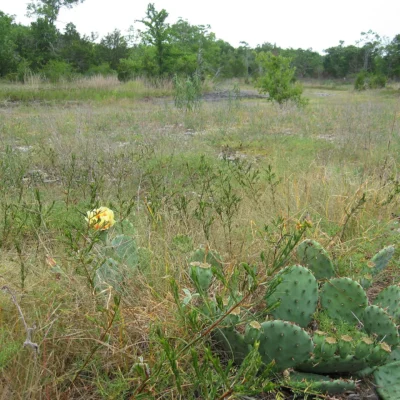
John & Hester Lane Cedar Glades State Natural Area preserves multiple cedar glade outcrops in the Nashville Basin, protecting the globally unique ecosystem that supports plant species found nowhere else on Earth. The site honors early conservation advocates who helped protect these fragile habitats from development.
Visitor Information
| Detail | Information |
|---|---|
| Location | Nashville Basin, TN |
| Entry Fee | Free |
| Habitat | Cedar glades (endemic species) |
Frequently Asked Questions
What endemic species grow here?
Nashville Basin cedar glades support multiple plant species found nowhere else on Earth, including Tennessee coneflower (Echinacea tennesseensis), which was one of the first federally listed endangered plants — now recovered thanks to glade conservation efforts.
Why are cedar glades only in Tennessee?
Cedar glades require a specific combination — flat limestone bedrock close to the surface, seasonal flooding followed by extreme drought, and a temperate climate. Middle Tennessee’s Central Basin has the perfect geological conditions. Small cedar glade-like habitats exist in Alabama, Kentucky, and Georgia, but Tennessee’s Central Basin has by far the greatest concentration and diversity.
More parks nearby: Couchville Cedar Glade State Natural Area is a short drive away, while Sunnybell Cedar Glade State Natural Area lies a short drive away.
🌼 Visit John & Hester Lane Cedar Glades SNA
Multiple cedar glade outcrops — endemic Nashville Basin flora found nowhere else.
About Lane Cedar Glades
John and Hester Lane Cedar Glades State Natural Area in Rutherford County protects limestone cedar glade habitat — the globally rare ecosystem found primarily in Tennessee’s Nashville Basin. The glades support endemic plants that have evolved to survive the extreme conditions of thin limestone soils.
Things to Do
Viewing endemic cedar glade plants, botanical study and photography, and learning about this globally rare ecosystem. The glades are most colorful during spring and early summer wildflower season.
Insider Tips
Classic cedar glade: This SNA protects excellent examples of Tennessee’s globally rare cedar glade ecosystem. Pro tip: The glades support Tennessee coneflower, leafy prairie clover, and other endemic species — walk carefully on the thin soil to avoid damaging the fragile plant communities. Interpretation: Interpretive signs explain the unique geology and botany — one of the more accessible cedar glade sites.
Best Time to Visit
May-June: Peak wildflower season on the glades. Summer: Coneflower bloom (June-July). Fall: Late-season asters. Spring: Early glade flowers — glade violet and Nashville mustard.
Wildlife & Nature
John & Hester Lane Cedar Glades SNA — preserves cedar glade habitat with endemic plant species. The park’s limestone outcrops, thin soils, and seasonal pools support globally rare wildflowers. Eastern fence lizards bask. Box turtles cross the glades.
Nearby Attractions
Central Tennessee communities — surrounding.

🐾 Dogs & Pets at John & Hester Lane Cedar Glades State Natural Area
- Pets allowed? statewide rule
- Dogs, cats and other pets are permitted in Tennessee State Parks, including all campgrounds, if leashed, crated or otherwise under physical restrictive control at all times.
- Leash rule statewide rule
- 6 ft physical leash required; pets must not be left unattended
- Beaches & swim areas statewide rule
- Pets are prohibited on designated swimming beaches and at pools at all times
- Cabins & lodging statewide rule
- Pets prohibited in park lodges and cabins except designated pet-friendly units; each park offers a limited number of pet-friendly lodge rooms and one pet-friendly cabin ($20 per pet per night)
- Pet fees statewide rule
- No day-use or campground pet fee; $20 per pet per night in designated lodge rooms/cabins
- Statewide exceptions statewide rule
- Park management may post additional no-pet areas on trails; proof of rabies vaccination may be required
Are dogs allowed at John & Hester Lane Cedar Glades State Natural Area?
Dogs, cats and other pets are permitted in Tennessee State Parks, including all campgrounds, if leashed, crated or otherwise under physical restrictive control at all times. Individual parks can post stricter rules — check signage on arrival.
Rules verified July 2026 via tnstateparks.com. More: Tennessee state parks guide · Dog rules in all 50 states compared