
🌤 Weather at Green River Reservoir State Park by season
| Spring | Summer | Fall | Winter |
|---|---|---|---|
| 18–64 °F | 53–75 °F | 27–67 °F | 6–29 °F |
Each range runs from the coldest monthly average low to the warmest monthly average high in that season (1991-2020 climate normals), measured at Eden 2 S, 4 mi away, elevation 1,456 ft. Conditions at the park can differ from the station, especially where elevation differs — check a forecast before you go.

Paddle-In Wilderness — Vermont’s Quietest Lake
Green River Reservoir State Park is Vermont’s premier wilderness paddling destination — a remote, undeveloped reservoir with 19 miles of pristine shoreline, no motorboat engines, and 27 primitive campsites accessible only by canoe or kayak. This is the closest thing to a true backcountry paddling experience in Vermont, without the logistics of a multi-day portage trip.
The reservoir is designated as a “quiet lake” — internal combustion engines are prohibited. Only human-powered watercraft and electric motors (5 mph max, no-wake) are permitted. The result is a lake of remarkable stillness — the kind of silence where you can hear a loon’s call echo across the water from a mile away. And loons are exactly what you’ll find here: Green River Reservoir is one of the best places in Vermont to observe nesting Common Loons, along with Great Blue Herons, mergansers, beavers, river otters, and occasionally moose browsing the shoreline at dawn.
Things to Do
Paddling
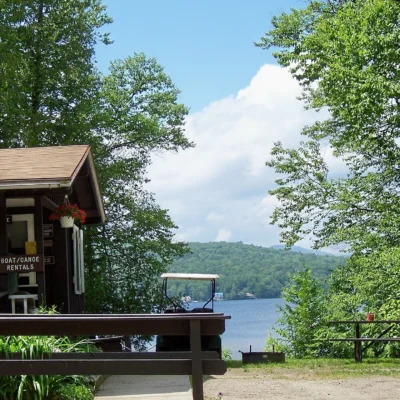
The reservoir’s 19 miles of largely undeveloped shoreline — one of the longest such stretches in Vermont — offers outstanding canoeing and kayaking through quiet coves, wetland bays, and wooded inlets. A boat launch at the southern end provides access. No boat rentals available — bring your own watercraft. The park is best experienced over 2+ days, camping at remote shoreline sites and paddling between them.
Boat-In Camping
All 27 campsites are primitive, tent-only sites accessible only by water — most require a 1 to 2-mile paddle from the launch. Each site has a fire pit and access to a privy (often shared between 2–3 sites). There is no potable water or electricity — bring all water and supplies. Portable stoves are recommended. Strict Leave No Trace principles apply.
Wildlife Watching
The reservoir’s motor-free environment creates ideal conditions for wildlife observation. Common Loons nest on the reservoir — maintain a 300-foot distance from any nesting sites. The wetland areas support Great Blue Herons, Belted Kingfishers, and extensive beaver activity. Dawn paddles offer the best chances for moose and otter sightings.
Camping
| Type | Sites | Access | Amenities |
|---|---|---|---|
| Primitive boat-in tent sites | 27 | Paddle 1–2 mi from launch | Fire pit, privy (shared); NO water/electricity |
Best Time to Visit
| Season | Highlights | Considerations |
|---|---|---|
| Summer (Jun–Aug) | ⭐ Best paddling; loon nesting; warm water; long days; swimming | Peak demand — reserve sites early; mosquitoes/blackflies June |
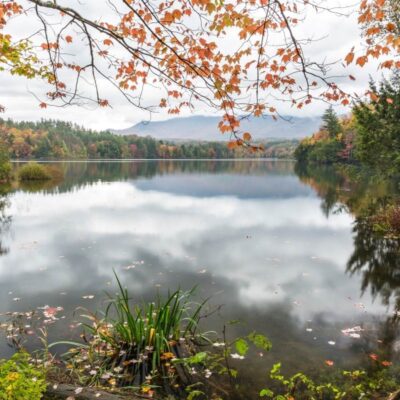
| Fall (Sep–Oct) | Stunning foliage reflected on water; fewer paddlers; crisp air | Cool nights; some sites close early; shorter days |
| Spring (May) | Bird migration; high water; solitude | Cold water; limited facilities; blackflies |
Visitor Tips
- Self-sufficiency required: Pack all water, food, firewood, and supplies. There is nothing available at the park. Treat this like a backcountry trip — because it is one.
- Parking crunch: The parking lot is small and fills early on summer weekends. If full, you cannot enter. Arrive early or carpool. There is no roadside parking.
- Loon etiquette: Maintain 300+ feet from loon nests. Avoid paddling directly toward loons. The reservoir’s breeding population is fragile and protected.
- Day use: If you don’t have time to camp, day-use paddling (10 a.m. to sunset) is available — but the true magic of this park is spending a night on the water in total silence.
- No rentals: You must bring your own canoe/kayak. The nearest rental outfitters are in Morrisville or Stowe — plan ahead.
- Reservations: All 27 sites must be reserved in advance through vtstateparks.com. Summer weekends book up quickly.
Frequently Asked Questions
Are motorboats allowed on Green River Reservoir?
No — Green River Reservoir is designated as a “quiet lake.” Internal combustion engines are prohibited. Only human-powered watercraft (canoes, kayaks) and boats with electric motors (5 mph maximum, no-wake) are allowed. This creates an exceptionally peaceful paddling environment — one of the quietest lake experiences in Vermont.
How do you get to the campsites at Green River Reservoir?
All 27 campsites at Green River Reservoir State Park are accessible only by canoe or kayak — there are no drive-in sites. You launch from the boat ramp at the southern end and paddle 1–2 miles to your reserved site. The camping is primitive with no potable water or electricity. You must bring all supplies and practice Leave No Trace principles.
Last updated: April 2026
More parks in Vermont: Lake Elmore State Park. See the full Vermont state parks guide.

🐾 Dogs & Pets at Green River Reservoir State Park
- Pets allowed? statewide rule
- Pets are allowed at all Vermont State Parks campgrounds and on trails unless otherwise posted, but are not permitted on beaches or in most picnic areas.
- Leash rule statewide rule
- Leash shorter than 10 ft required (or pet safely confined) at all times
- Beaches & swim areas statewide rule
- Pets are not permitted on beaches; limited exceptions let pets use the far side of the beach away from swim areas at Branbury, Lake Shaftsbury and Silver Lake
- Cabins & lodging statewide rule
- Pets are permitted in designated pet-friendly cabins only (full list on the Vermont State Parks cabins page); cottages do not allow pets
- Statewide exceptions statewide rule
- Pets allowed in picnic areas at Allis, Camp Plymouth, Elmore, Kill Kare, Knight Point, Lake Shaftsbury, Mt. Philo, Osmore Pond and Owl's Head; at Camp Plymouth pets may swim only at the cartop boat launch; current rabies vaccination expected
Are dogs allowed at Green River Reservoir State Park?
Pets are allowed at all Vermont State Parks campgrounds and on trails unless otherwise posted, but are not permitted on beaches or in most picnic areas. Individual parks can post stricter rules — check signage on arrival.
Rules verified July 2026 via vtstateparks.com. More: Vermont state parks guide · Dog rules in all 50 states compared
Park Location
Plan your gear for Green River Reservoir State Park
From our editorial guides, matched to this park’s activities:
Top Tours & Activities Near Stowe
 from $359
 from $359
 from $20