
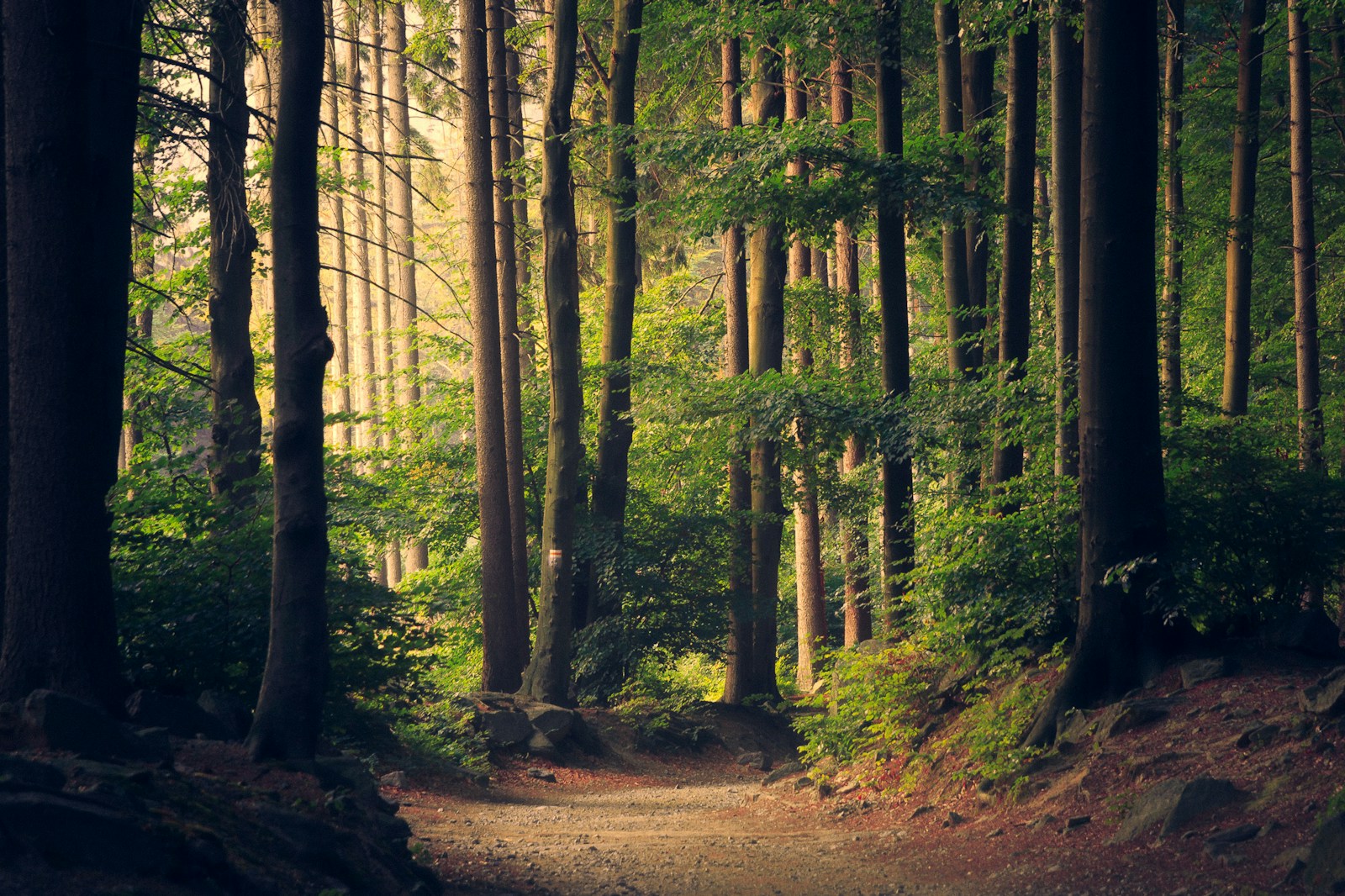

Alpine Recreation in Alaska’s Talkeetna Mountains — 300,000-Acre Management Area, Independence Mine State Historical Park, Summit Lake Recreation Site, Alpine Hiking and Backcountry Skiing, Recreational Gold Panning, Berry Picking, Paragliding, Wildflower Meadows, Mat-Su Valley Near Palmer Alaska
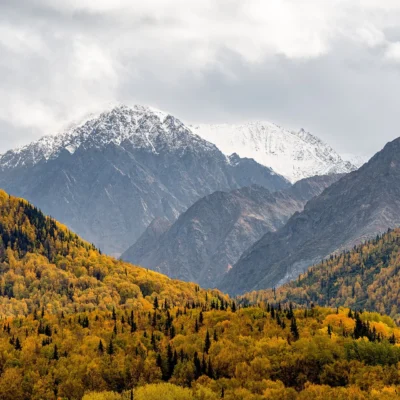
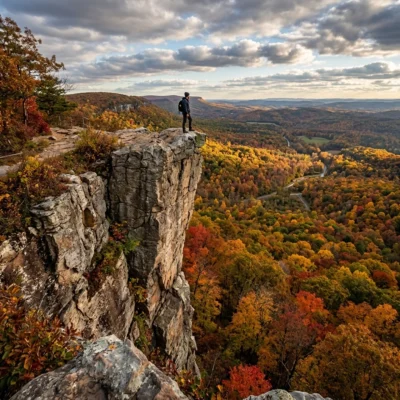
Hatcher Pass East Special Management Area is a vast alpine recreation region of approximately 300,000 acres in the Talkeetna Mountains, about 15 miles north of Palmer in Alaska’s Matanuska-Susitna Valley. The area encompasses Independence Mine State Historical Park with restored 1930s gold mining buildings and self-guided tours, Summit Lake State Recreation Site for hiking and camping, extensive alpine hiking trails through wildflower meadows above treeline, world-class backcountry skiing and snowboarding in winter, permitted recreational gold panning along creeks, blueberry and berry picking in late summer, paragliding launch sites near Summit Lake, and stunning panoramic views of Denali and the Alaska Range on clear days.
Hatcher Pass is Alaska’s most accessible alpine playground — the paved road climbs from the Matanuska Valley floor into spectacular above-treeline terrain in just 15 miles. In summer, the alpine meadows explode with wildflowers; in winter, backcountry skiers converge on the open bowls and chutes.
Independence Mine State Historical Park — at the heart of the area — preserves a 1930s-era hard-rock gold mining operation with restored buildings, mining equipment, and self-guided interpretive trails.
Things to Do
- Hiking — alpine trails above treeline, wildflower meadows
- Independence Mine — restored 1930s gold mine, tours
- Backcountry skiing — world-class winter terrain
- Gold panning — permitted recreational panning
- Berry picking — blueberries in late summer
- Paragliding — launch sites at Summit Lake
- Wildlife — ptarmigan, marmots, mountain goats
Area Information
| Feature | Details |
|---|---|
| Location | ~15 mi N of Palmer, Talkeetna Mountains, AK |
| Size | ~300,000 acres |
| Key Sites | Independence Mine SHP, Summit Lake SRS |
| Summer | Hiking, mining tours, berry picking |
| Winter | Backcountry skiing, snowshoeing |
| Managed By | Alaska DNR / DPOR |
| Coordinates | 61.7700° N, 149.2700° W |
Frequently Asked Questions
What can you do at Hatcher Pass Alaska?
Hatcher Pass offers alpine hiking through wildflower meadows, tours of the restored Independence Mine State Historical Park (1930s gold mine), world-class backcountry skiing in winter, recreational gold panning, blueberry picking in late summer, paragliding, and stunning views of Denali. The area encompasses about 300,000 acres in the Talkeetna Mountains, 15 miles north of Palmer in Alaska’s Mat-Su Valley. Managed by Alaska DNR and Division of Parks and Outdoor Recreation.
Last updated: May 2026
Nearby state parks: If you have extra time, Independence Mine State Historical Park is a short drive away, and Finger Lake State Recreation Area is a short drive away.

🐾 Dogs & Pets at Hatcher Pass East Special Management Area
- Pets allowed? statewide rule
- Pets are welcome in Alaska State Parks and campgrounds when leashed and accompanied by the owner; unleashed dogs are allowed in the backcountry if under voice control.
- Leash rule statewide rule
- Leash not exceeding 9 feet required in developed facilities (campgrounds, picnic areas, trailheads, swim beaches, boat ramps).
- Beaches & swim areas statewide rule
- No statewide pet ban on beaches; swim beaches count as developed facilities where the 9-foot leash rule applies.
- Statewide exceptions statewide rule
- In the backcountry leashes are not required but pets must remain under voice control; in trapping areas (e.g. Chena River SRA) leashing is strongly advised for dog safety.
Are dogs allowed at Hatcher Pass East Special Management Area?
Pets are welcome in Alaska State Parks and campgrounds when leashed and accompanied by the owner; unleashed dogs are allowed in the backcountry if under voice control. Individual parks can post stricter rules — check signage on arrival.
Rules verified July 2026 via dnr.alaska.gov. More: Alaska state parks guide · Dog rules in all 50 states compared
Park Location
Plan your gear for Hatcher Pass East Special Management Area
From our editorial guides, matched to this park’s activities:
Top Tours & Activities Near Anchorage
 from $519
 from $375
 from $139