🌤 Weather at Horseshoe Bay State Marine Park by season
| Spring | Summer | Fall | Winter |
|---|---|---|---|
| 27–53 °F | 47–63 °F | 28–54 °F | 24–34 °F |
Each range runs from the coldest monthly average low to the warmest monthly average high in that season (1991-2020 climate normals), measured at Whittier, 11 mi away, elevation 60 ft. Conditions at the park can differ from the station, especially where elevation differs — check a forecast before you go.

Remote Prince William Sound Marine Park — Latouche Island Anchorage, Boat-Access Only Camping, Latouche Passage Views, Alaska Wilderness Boating
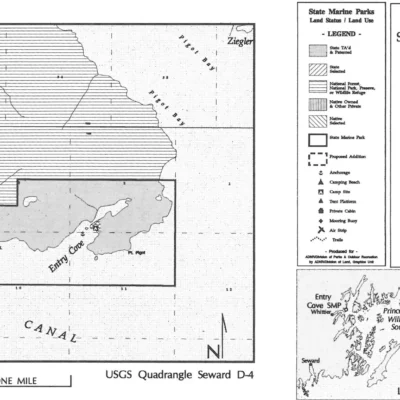
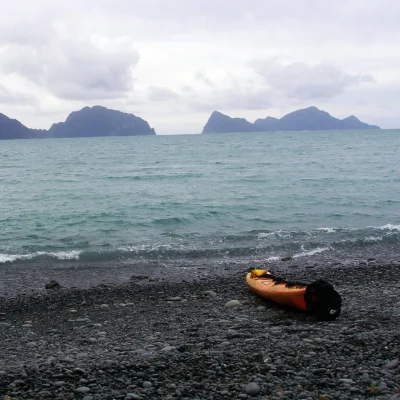
Horseshoe Bay State Marine Park is a state marine park on the northern end of Latouche Island, Prince William Sound, Alaska, near Chenega Bay. The park features a protected horseshoe-shaped anchorage for boats in Prince William Sound, primitive camping on the shore near a bog north of the bay, views of Latouche Passage and the Chugach Mountains, boat-access only remoteness, wildlife viewing including marine mammals and seabirds, and a true Alaska wilderness experience.
Horseshoe Bay is Prince William Sound’s hidden anchorage — the horseshoe-shaped bay on Latouche Island provides natural wind protection for boaters navigating the challenging waters of Prince William Sound. This is true Alaska wilderness — no roads, no facilities, no cell service.
Latouche Island has a fascinating mining history — the Latouche Mine was once one of the richest copper mines in Alaska. Today, only ruins remain on this remote, roadless island.
Things to Do
- Boat anchorage — protected horseshoe bay
- Primitive camping — shoreline near bog
- Wildlife viewing — marine mammals, seabirds
- Kayaking — Latouche Passage exploration
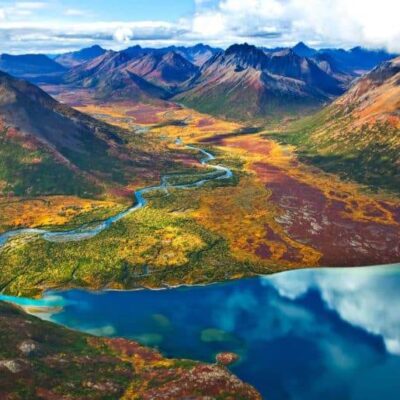
- Photography — Chugach Mountains, Sound
- Fishing — Prince William Sound waters
Park Information
| Feature | Details |
|---|---|
| Location | N end of Latouche Island, Prince William Sound, AK |
| Access | Boat only — no road access |
| Camping | Primitive — no facilities |
| Anchorage | Protected horseshoe bay |
| Nearest Town | Chenega Bay / Whittier |
| Managed By | Alaska State Parks |
| Coordinates | 60.0311° N, 147.9428° W |
Frequently Asked Questions
How do you get to Horseshoe Bay State Marine Park Alaska?
Horseshoe Bay State Marine Park is accessible only by boat. Located on the northern end of Latouche Island in Prince William Sound, Alaska, the park features a protected horseshoe-shaped anchorage, primitive shoreline camping, and views of Latouche Passage and the Chugach Mountains. The nearest access points are Whittier and Chenega Bay. Bring all supplies — there are no facilities, roads, or cell service.
Last updated: May 2026
More parks nearby: Ziegler Cove State Marine Park is a short drive away, while Safety Cove State Marine Park lies a short drive away.
Camping reservations: Book campsites and cabins for Alaska state parks online at alaskastateparks.reserveamerica.com.

🐾 Dogs & Pets at Horseshoe Bay State Marine Park
- Pets allowed? statewide rule
- Pets are welcome in Alaska State Parks and campgrounds when leashed and accompanied by the owner; unleashed dogs are allowed in the backcountry if under voice control.
- Leash rule statewide rule
- Leash not exceeding 9 feet required in developed facilities (campgrounds, picnic areas, trailheads, swim beaches, boat ramps).
- Beaches & swim areas statewide rule
- No statewide pet ban on beaches; swim beaches count as developed facilities where the 9-foot leash rule applies.
- Statewide exceptions statewide rule
- In the backcountry leashes are not required but pets must remain under voice control; in trapping areas (e.g. Chena River SRA) leashing is strongly advised for dog safety.
Are dogs allowed at Horseshoe Bay State Marine Park?
Pets are welcome in Alaska State Parks and campgrounds when leashed and accompanied by the owner; unleashed dogs are allowed in the backcountry if under voice control. Individual parks can post stricter rules — check signage on arrival.
Rules verified July 2026 via dnr.alaska.gov. More: Alaska state parks guide · Dog rules in all 50 states compared
Park Location
Plan your gear for Horseshoe Bay State Marine Park
From our editorial guides, matched to this park’s activities: