
🌤 Weather at Wopowog Wildlife Management Area by season
| Spring | Summer | Fall | Winter |
|---|---|---|---|
| 28–70 °F | 57–84 °F | 32–75 °F | 19–42 °F |
Each range runs from the coldest monthly average low to the warmest monthly average high in that season (1991-2020 climate normals), measured at Meriden Markham Municipal Airport, 7 mi away, elevation 103 ft. Conditions at the park can differ from the station, especially where elevation differs — check a forecast before you go.

🏆 Mixed Habitat — Diverse habitat with forest, field, and wetland in central Connecticut
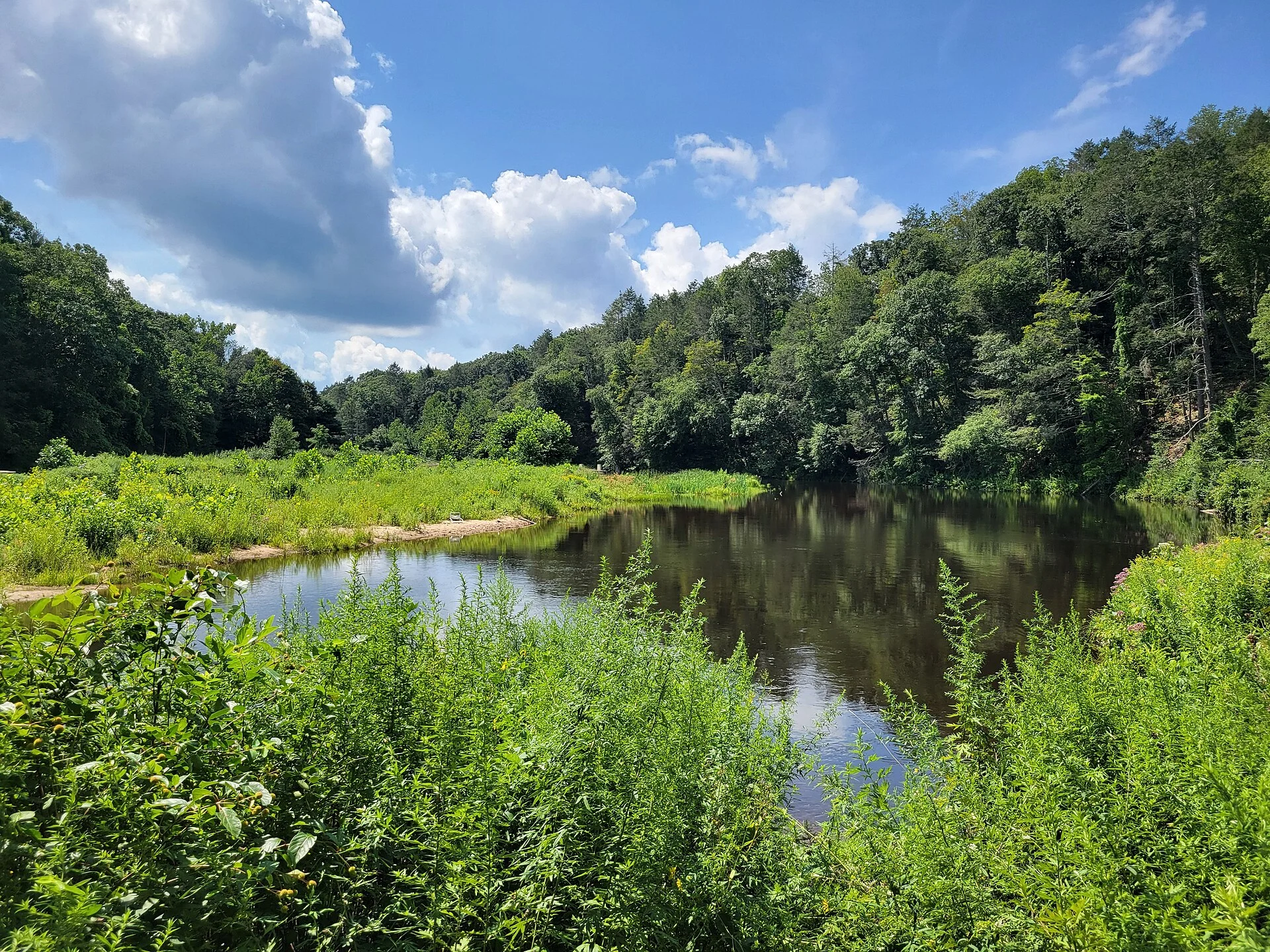
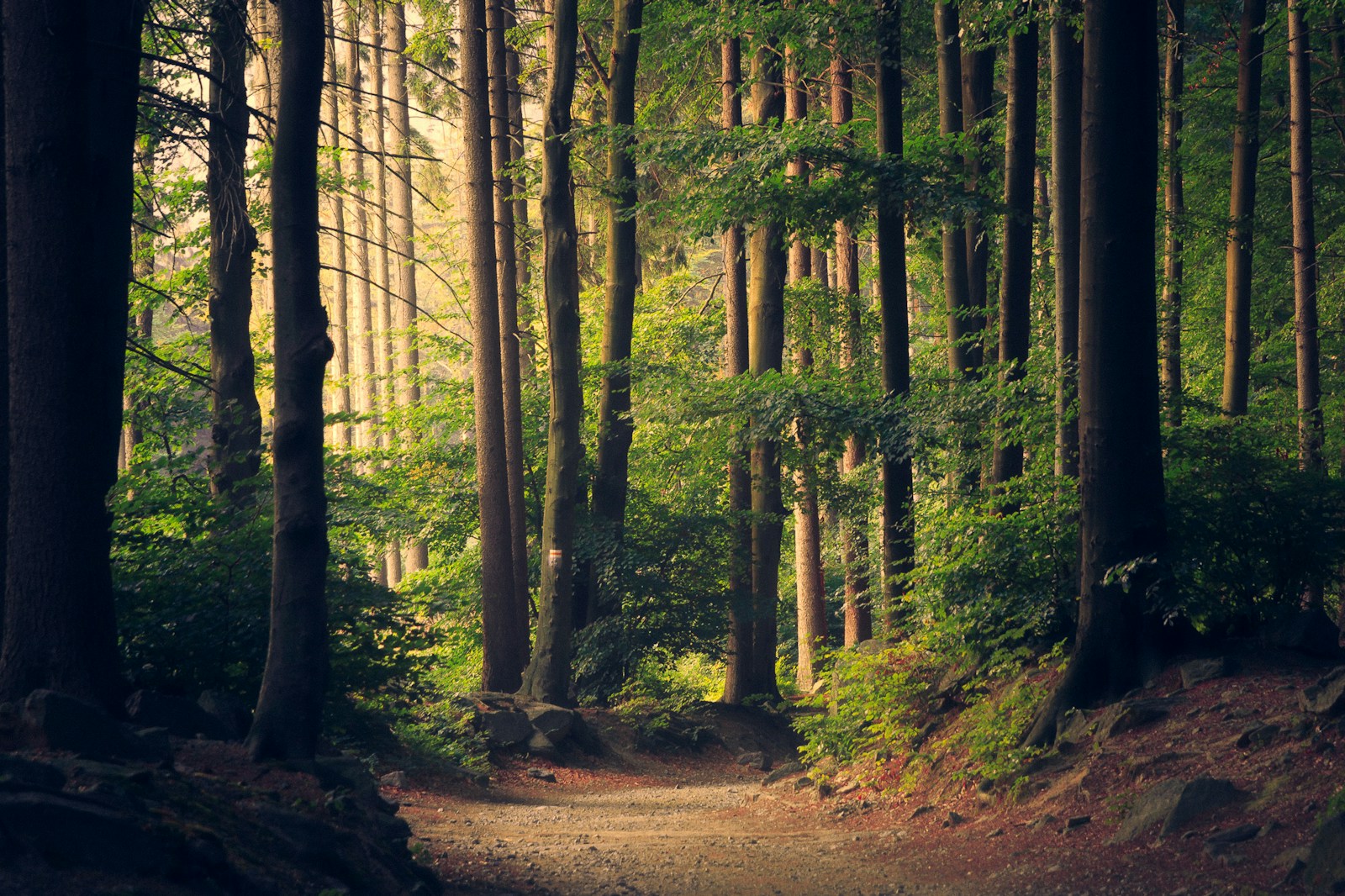
Wopowog Wildlife Management Area provides a diverse mix of forest, open fields, and wetland habitats in central Connecticut. The name “Wopowog” comes from the Wangunk Algonquian language, meaning “crossing” — likely referring to a river or trail crossing point. This diversity of habitats supports a wide range of wildlife species from woodland thrushes to meadow-nesting birds.
Visitor Information
| Detail | Information |
|---|---|
| Location | Central CT |
| Entry Fee | Free |
| Name | “Wopowog” = Algonquian for “crossing” |
| Habitat | Forest, field, wetland mix |
About Wopowog
Wopowog Wildlife Management Area in East Hampton takes its name from an Algonquian word. The area protects forest and wetland habitat in the hills east of the Connecticut River, providing hunting grounds and wildlife viewing in the mixed oak-hickory landscape typical of eastern Connecticut.
Wopowog Wildlife Management Area in East Hampton protects forest and wetland in the Salmon River watershed — one of Connecticut’s most important Atlantic salmon restoration rivers. “Wopowog” is a Wangunk word for the area. The Salmon River was historically one of New England’s finest salmon rivers before dams blocked migration; ongoing restoration efforts aim to return the fish.
Things to Do
Hunting (deer, turkey, small game), hiking, birdwatching, and nature observation. The area connects to the broader Meshomasic State Forest for extended woodland exploring.
Trout and salmon fishing (the Salmon River is stocked and has returning sea-run fish), hunting (seasonal), birdwatching, hiking, and learning about Atlantic salmon restoration in Connecticut.
Insider Tips
Eastern Connecticut quiet: Wopowog offers solitary nature walking in the eastern Connecticut hills. Pro tip: Old cellar holes and stone walls reveal the area’s colonial farming past — Connecticut lost 80% of its farmland between 1850 and 1950 as farmers moved west. Mushroom season: Fall brings excellent mushroom diversity in the mixed hardwood forest.
Best Time to Visit
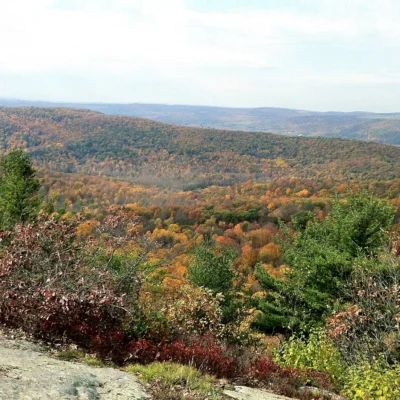
Fall: Peak mushroom season and foliage. Spring: Woodland wildflowers and nesting birds. Summer: Shaded escape. Winter: Snowshoeing and tracking.
Frequently Asked Questions
How do you pronounce Wopowog?
“WOP-oh-wog” — another Algonquian place name that preserves the linguistic heritage of Connecticut’s original inhabitants.
Wildlife & Nature
Wopowog WMA manages wetland and upland habitat in south-central Connecticut. The name reflects the Mattabesett people’s presence in the region. The management area’s wetland components support breeding amphibians — Connecticut has 22 species of salamanders and frogs. Vernal pools (temporary woodland ponds that fill in spring and dry by summer) are critical breeding sites for spotted salamanders, Jefferson’s salamanders, and wood frogs. These pools’ temporary nature prevents fish from establishing — protecting the amphibian eggs and larvae. Spring “Big Night” migration events (warm, rainy nights in March-April) see thousands of salamanders crossing roads to reach breeding pools. Volunteer “crossing guards” help them across in many Connecticut towns.
Nearby Attractions
Wadsworth Falls State Park in Middlefield features two scenic waterfalls. Lamentation Mountain State Park offers Metacomet Ridge hiking. Lyman Orchards — farming since 1741 — provides pick-your-own and farm dining. Middletown’s Wesleyan University has an art museum and performing arts center. Durham hosts Connecticut’s largest agricultural fair each September. Powder Ridge in Middlefield offers skiing and mountain biking. Hubbard Park in Meriden features Castle Craig summit tower.
Keep exploring: The closest neighbors are Wadsworth Falls State Park (a short drive away) and West Rock Ridge State Park (a short drive away).

🐾 Dogs & Pets at Wopowog Wildlife Management Area
- Pets allowed? statewide rule
- Pets on a leash are permitted in most Connecticut state parks and forests, but not in buildings, swimming areas or state park campgrounds.
- Leash rule statewide rule
- Pets must be leashed and under control at all times; in state forest camping areas the leash may be no longer than 7 feet.
- Beaches & swim areas statewide rule
- Pets are prohibited in swimming areas; Sherwood Island and Squantz Pond State Parks ban pets entirely April 15 - September 30.
- Cabins & lodging statewide rule
- Pets are banned from all state park campgrounds; they are allowed only in the American Legion, Pachaug and Salt Rock state forest campgrounds, but not on rustic cabin sites.
- Statewide exceptions statewide rule
- Pets prohibited year-round at Dinosaur State Park and in the formal gardens and beach at Harkness Memorial State Park.
Are dogs allowed at Wopowog Wildlife Management Area?
Pets on a leash are permitted in most Connecticut state parks and forests, but not in buildings, swimming areas or state park campgrounds. Individual parks can post stricter rules — check signage on arrival.
Rules verified July 2026 via portal.ct.gov. More: Connecticut state parks guide · Dog rules in all 50 states compared
Park Location
Plan your gear for Wopowog Wildlife Management Area
From our editorial guides, matched to this park’s activities:
Top Tours & Activities Near Hartford
 from $143
 from $79
 from $20