
🌤 Weather at Ross Marsh Wildlife Management Area by season
| Spring | Summer | Fall | Winter |
|---|---|---|---|
| 30–71 °F | 60–85 °F | 35–76 °F | 20–42 °F |
Each range runs from the coldest monthly average low to the warmest monthly average high in that season (1991-2020 climate normals), measured at Hartford Brainard Field, 8 mi away, elevation 19 ft. Conditions at the park can differ from the station, especially where elevation differs — check a forecast before you go.

🏆 Marsh Habitat — Freshwater marsh with open water and emergent vegetation
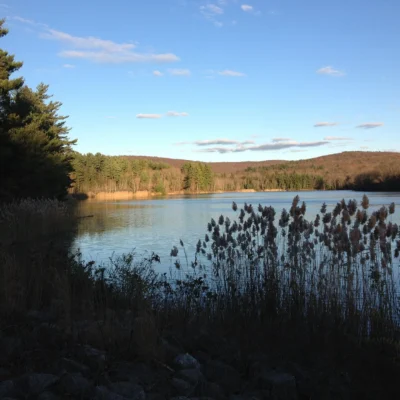
Ross Marsh Wildlife Management Area protects a freshwater marsh system with open water, cattails, and emergent vegetation. The marsh supports breeding ducks, rails, and herons. These freshwater marshes are important “stepping stones” for migratory waterfowl moving along the Atlantic Flyway through Connecticut.
Visitor Information
| Detail | Information |
|---|---|
| Location | Connecticut |
| Entry Fee | Free |
| Habitat | Freshwater marsh (cattails, open water) |
| Flyway | Atlantic Flyway stepping stone |
About Ross Marsh
Ross Marsh Wildlife Management Area protects a freshwater marsh and surrounding uplands in Connecticut. The marsh provides nesting habitat for waterfowl, wood ducks, and herons, while the surrounding forest supports deer, turkey, and songbirds.
Ross Marsh Wildlife Management Area in Killingly protects freshwater marsh habitat in Connecticut’s Quiet Corner. Freshwater marshes, though less celebrated than coastal wetlands, provide critical habitat for species like wood ducks (which nest in tree cavities over water), mink, muskrat, and a remarkable diversity of dragonflies and damselflies — Connecticut has recorded over 150 species of Odonata.
Things to Do
Waterfowl hunting (seasonal), birdwatching in the marsh, fishing, and wildlife observation. The marsh-to-forest transition zone is particularly productive for bird life.
Birdwatching for wood ducks and marsh birds, waterfowl hunting (seasonal), dragonfly and damselfly observation (summer), kayaking through the marsh, and wildlife photography.
Insider Tips
Wetland wonder: Ross Marsh supports breeding wood ducks — look for nest boxes mounted on poles in the marsh. Pro tip: Bring waterproof boots year-round — even the “dry” edges can be muddy. Photography: The marsh at dawn with mist rising off the water creates atmospheric photographs.
Best Time to Visit
Spring: Wood duck courtship and amphibian breeding. Summer: Dragonfly diversity peaks — 30+ species possible. Fall: Migrating waterfowl. Winter: Mink and otter tracks along unfrozen stream edges.
Frequently Asked Questions
What are wood duck boxes?
Wood ducks nest in tree cavities but face a shortage of natural nesting sites. Artificial nest boxes — mounted on poles with predator guards — have helped wood duck populations recover dramatically since the 1960s.
Wildlife & Nature
Ross Marsh WMA protects freshwater marsh habitat — among the most productive ecosystems in the temperate world. A single acre of marsh produces more plant biomass than an acre of cropland. The dense cattail and reed stands provide nesting habitat for least bitterns — the smallest North American herons (barely 11 inches tall) that are masterfully camouflaged among the stems. Marsh wrens build multiple “dummy” nests throughout their territory — up to 6 decoy nests for every real one. This elaborate strategy may confuse nest predators or impress female wrens evaluating potential mates. Muskrats build lodges from cattails — their feeding platforms are often repurposed by nesting waterfowl. Green herons use “bait fishing” — dropping insects or feathers on the water to lure fish.
Nearby Attractions
The area connects to Connecticut’s diverse outdoor and cultural offerings. Peoples State Forest features scenic Farmington River access and the Stone Museum. American Legion State Forest offers riverside camping. Riverton — home of Hitchcock Chair Company since 1826 — retains its 19th-century factory village character. Satan’s Kingdom on the Farmington River is Connecticut’s premier tubing destination. Barkhamsted and Colebrook feature the most rural landscapes in Litchfield County.
Make it a road trip: Pair a visit with Larson Lot Wildlife Management Area (a short drive away) or Gay City State Park (a short drive away).
Camping reservations: Book campsites and cabins for Connecticut state parks online at connecticutstateparks.reserveamerica.com.

🐾 Dogs & Pets at Ross Marsh Wildlife Management Area
- Pets allowed? statewide rule
- Pets on a leash are permitted in most Connecticut state parks and forests, but not in buildings, swimming areas or state park campgrounds.
- Leash rule statewide rule
- Pets must be leashed and under control at all times; in state forest camping areas the leash may be no longer than 7 feet.
- Beaches & swim areas statewide rule
- Pets are prohibited in swimming areas; Sherwood Island and Squantz Pond State Parks ban pets entirely April 15 - September 30.
- Cabins & lodging statewide rule
- Pets are banned from all state park campgrounds; they are allowed only in the American Legion, Pachaug and Salt Rock state forest campgrounds, but not on rustic cabin sites.
- Statewide exceptions statewide rule
- Pets prohibited year-round at Dinosaur State Park and in the formal gardens and beach at Harkness Memorial State Park.
Are dogs allowed at Ross Marsh Wildlife Management Area?
Pets on a leash are permitted in most Connecticut state parks and forests, but not in buildings, swimming areas or state park campgrounds. Individual parks can post stricter rules — check signage on arrival.
Rules verified July 2026 via portal.ct.gov. More: Connecticut state parks guide · Dog rules in all 50 states compared
Park Location
Plan your gear for Ross Marsh Wildlife Management Area
From our editorial guides, matched to this park’s activities:

Top Tours & Activities Near Hartford
 from $143
 from $79
 from $20