Alfred A. Loeb State Park

Oregon’s Northernmost Redwoods, Ancient Myrtlewood & the Wild Chetco River
Alfred A. Loeb State Park on the southern Oregon coast guards a botanical treasure — an ancient grove of myrtlewood trees, some over 200 years old, growing along the crystal-clear Chetco River. But the park’s most extraordinary feature lies just up the trail: one of the northernmost groves of coast redwoods in existence, extending these legendary giants just beyond the California border into Oregon.
Set eight miles inland from Brookings in a sheltered river valley, the park enjoys a mild microclimate that supports this unique botanical crossroads — where trees from California’s redwood belt meet species from Oregon’s coastal forest.
Trails & Redwoods
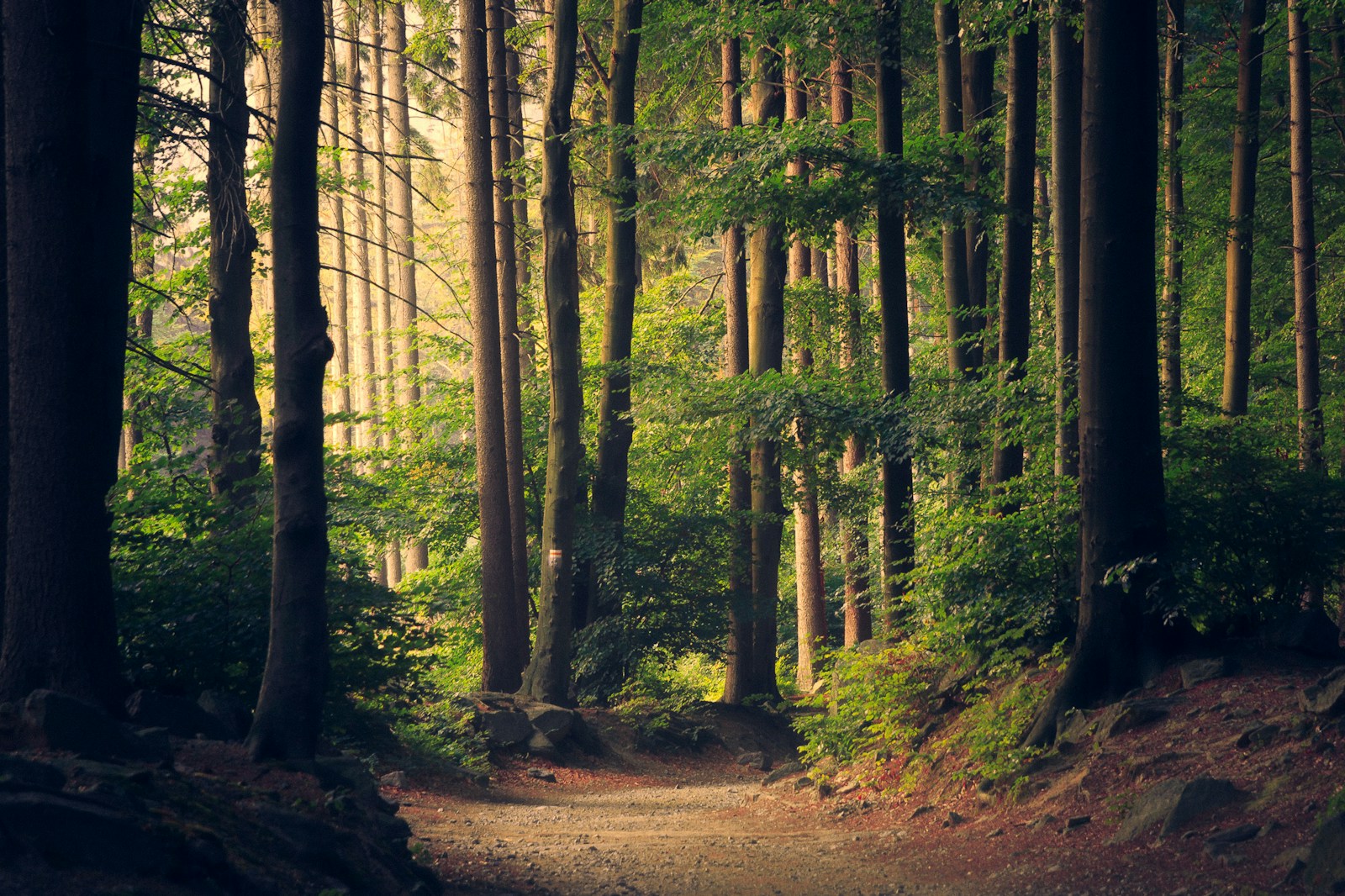
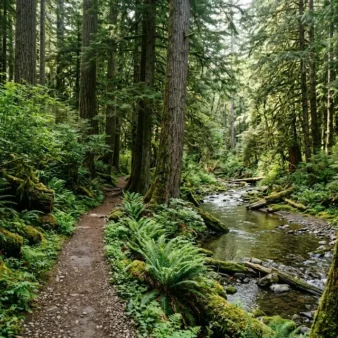
- Riverview Nature Trail (1.5 miles): Follows the Chetco River through the ancient myrtlewood grove. The distinctive crisp, eucalyptus-like fragrance of the myrtlewood trees fills the air.
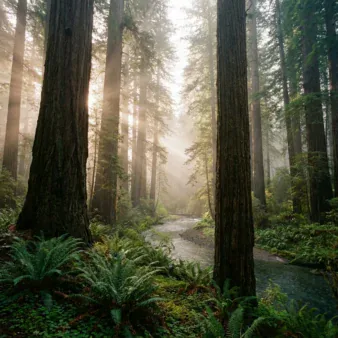
- Redwood Nature Trail (1-mile loop): Connects from the Riverview Trail into the U.S. Forest Service’s grove of coast redwoods — the northernmost naturally occurring redwoods in the world. These towering trees create a cathedral-like atmosphere that rivals groves hundreds of miles south.
The Chetco River
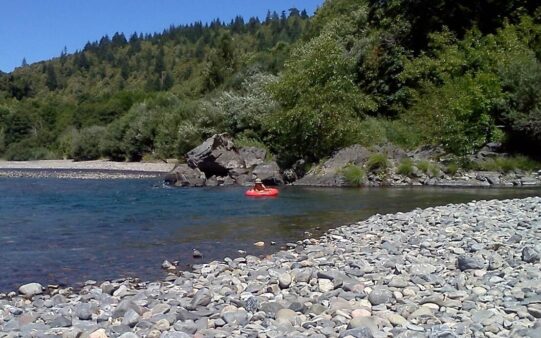
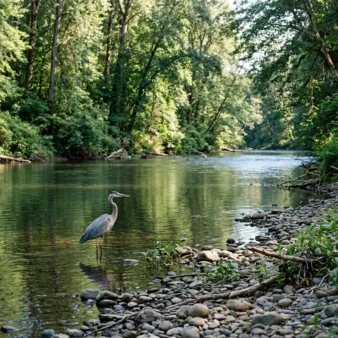
The Chetco runs clean and clear alongside the park — one of Oregon’s most beautiful rivers.
- Summer: Swimming, rafting, and tubing in water that reaches up to 80°F — remarkably warm for Oregon
- Fall/Winter: Outstanding salmon and steelhead fishing as these iconic fish make their annual spawning runs
Camping
- 48 electric sites nestled among the myrtlewood grove, open year-round
- 3 rustic log cabins — reserve up to 6 months in advance
- Picnic tables, fire rings, hot showers, and flush toilets
- Each campsite is shaded by the myrtlewood canopy — camping beneath these ancient, aromatic trees is a unique Pacific Northwest experience
Visitor Tips
- Best Time: Summer for river swimming; fall/winter for fishing; spring for wildflowers and the redwood trail.
- Microclimate: The sheltered river valley is warmer and drier than the coast — perfect when the beach is foggy.
- Combine With: Samuel H. Boardman State Scenic Corridor, Oregon’s most spectacular stretch of coastline, is just minutes away.
Frequently Asked Questions
What activities are available at this state park?
Common activities include hiking, camping, fishing, swimming, picnicking, and wildlife watching. Check the park website for specific offerings, trail maps, and seasonal programs.
Do I need a reservation to camp?
Reservations are recommended for camping, especially on weekends and holidays during peak season. Most state park systems offer online reservation portals where you can book sites months in advance.
Are dogs allowed at this state park?
Dogs are typically allowed in campgrounds and on most trails but must be kept on a leash (usually 6 feet). Dogs are often prohibited at swimming beaches. Service animals are always welcome. Check specific park rules.
What is the best time to visit?
Spring and fall generally offer the most comfortable weather for outdoor activities. Summer is peak for swimming and camping. Check the specific park for seasonal closures and optimal visiting conditions.

Park Location
Top Tours & Activities Near Ashland
 from $50
 from $149
 from $110