
🌤 Weather at Marks’ Mills Battleground State Park by season
| Spring | Summer | Fall | Winter |
|---|---|---|---|
| 45–81 °F | 69–91 °F | 43–85 °F | 34–57 °F |
Each range runs from the coldest monthly average low to the warmest monthly average high in that season (1991-2020 climate normals), measured at Rison, 4 mi away, elevation 280 ft. Conditions at the park can differ from the station, especially where elevation differs — check a forecast before you go.

🏆 Arkansas — Site of the April 25, 1864 Confederate ambush that captured an entire Union wagon train of 240 wagons — General James Fagan’s Confederates destroyed Steele’s supply line, forcing the abandonment of Camden. One of the most decisive Confederate victories in Arkansas!
Visitor Information
| Detail | Info |
|---|---|
| Location | Arkansas |
About Marks’ Mills
Marks’ Mills Battleground State Park in Cleveland County preserves the April 25, 1864 battle where Confederates captured an entire Union supply train of 240 wagons — one of the largest captures of the war. The loss of supplies forced General Steele to abandon his Camden Expedition and retreat to Little Rock. The battle effectively ended the Union’s attempt to control southwestern Arkansas and divide the Trans-Mississippi Confederacy.
Things to Do
Walking the battlefield trails, viewing interpretive panels about the 240-wagon capture, studying Civil War supply line warfare, and exploring the Camden Expedition battle circuit (with Jenkins Ferry and Poison Springs).
Plan Your Visit
The battlefield is a quiet, contemplative site with interpretive panels and walking trails. Combine with Jenkins Ferry (40 miles north) and Poison Springs (30 miles west) for the complete Camden Expedition circuit — one of the Civil War’s most dramatic Trans-Mississippi campaigns. Camden (15 miles west) has the McCollum-Chidester House Museum and Fort Lookout. Open year-round; free admission. The three-battle driving circuit takes a full day.
Insider Tips
Supply train disaster: At Marks’ Mills (April 25, 1864), Confederates captured a 240-wagon Union supply train — one of the largest wagon train captures of the Civil War. Pro tip: The loss of the supply train forced General Steele to abandon Camden and retreat. USCT: African-American soldiers (1st Kansas Colored) fought at Marks’ Mills — the Confederates’ treatment of captured Black soldiers was brutal.
Frequently Asked Questions
How were captured Black soldiers treated?
Confederate policy refused to treat captured African-American soldiers as prisoners of war — they were often enslaved, murdered, or returned to slavery. At Marks’ Mills and Poison Springs, Black soldiers were reportedly killed after surrendering. The Fort Pillow Massacre (April 1864) was the most infamous instance. These atrocities strengthened Union resolve and were cited as reasons the Lincoln administration refused prisoner exchanges until the Confederacy agreed to equal treatment — which it never did.
Keep exploring: The closest neighbors are Jenkins Ferry State Park (within about an hour’s drive) and Jenkins Ferry Battleground State Park (within about an hour’s drive).
Wildlife & Nature
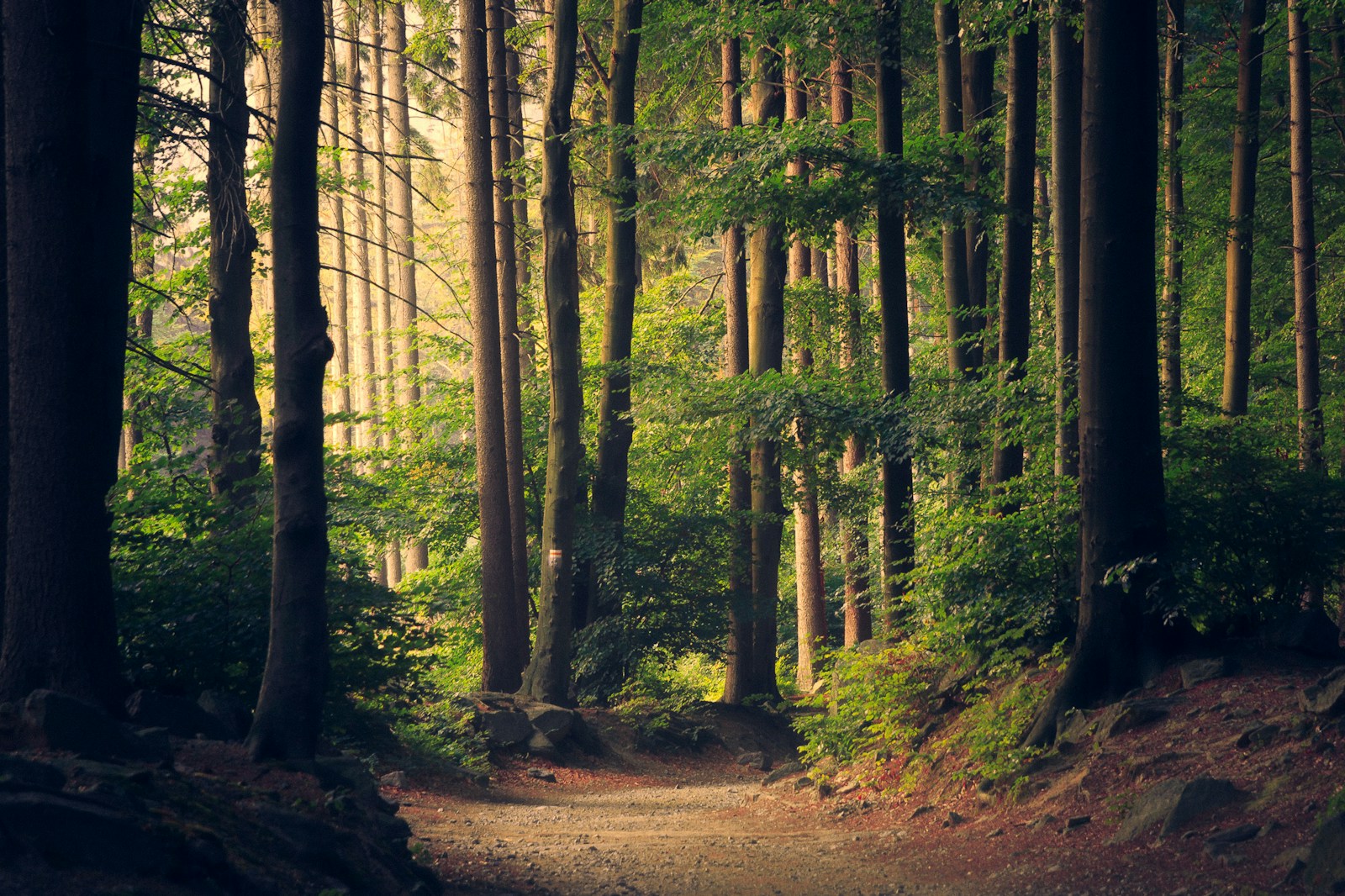
Marks’ Mills Battleground SP — site of the Battle of Marks’ Mills (April 25, 1864) — a Confederate victory that captured a 240-wagon Union supply train. The park’s forest and meadows support white-tailed deer and songbirds.
Nearby Attractions
Cleveland County — surrounding. Fordyce — nearby — birthplace of Paul “Bear” Bryant (legendary Alabama football coach).

🐾 Dogs & Pets at Marks’ Mills Battleground State Park
- Pets allowed? statewide rule
- Pets are allowed in Arkansas State Parks, including many trails, but must be restrained and under the owner's direct physical control at all times.
- Leash rule statewide rule
- Pets must be leashed, caged or otherwise restrained under direct physical (not verbal) control; no maximum leash length is specified.
- Beaches & swim areas statewide rule
- Pets (other than service animals) are not permitted at swimming beaches or pools at any time, nor in public buildings.
- Cabins & lodging statewide rule
- Designated dog-friendly cabins and lodge rooms exist at all lodging parks (about 25% of cabins at 14+ parks incl. Petit Jean, Mount Magazine, DeGray Lake Resort, Devil's Den); limit 2 dogs per unit, non-refundable per-dog fee at check-in, proof of vaccinations required.
- Pet fees statewide rule
- No day-use pet fee; a non-refundable per-dog fee applies for dog-friendly cabins/lodge rooms.
- Statewide exceptions statewide rule
- Only dogs (no other pet types) are allowed in lodging units.
Are dogs allowed at Marks’ Mills Battleground State Park?
Pets are allowed in Arkansas State Parks, including many trails, but must be restrained and under the owner's direct physical control at all times. Individual parks can post stricter rules — check signage on arrival.
Rules verified July 2026 via codeofarrules.arkansas.gov. More: Arkansas state parks guide · Dog rules in all 50 states compared
Park Location
Top Tours & Activities Near Little Rock
 from $10
 from $122
 from $20