

🌤 Weather at Nott Island Wildlife Management Area by season
| Spring | Summer | Fall | Winter |
|---|---|---|---|
| 30–71 °F | 60–85 °F | 35–76 °F | 20–42 °F |
Each range runs from the coldest monthly average low to the warmest monthly average high in that season (1991-2020 climate normals), measured at Hartford Brainard Field, 11 mi away, elevation 19 ft. Conditions at the park can differ from the station, especially where elevation differs — check a forecast before you go.

🏆 River Island Sanctuary — 70-acre island in the Connecticut River — critical nesting habitat for bald eagles and herons
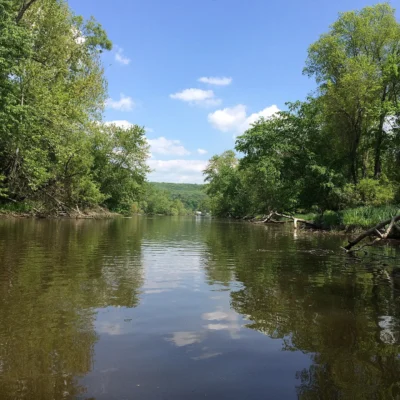
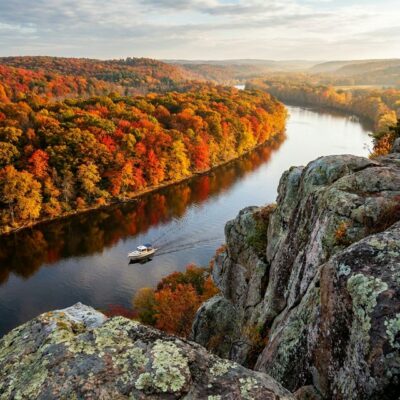
Nott Island Wildlife Management Area protects a 70-acre island in the Connecticut River near Portland. The island provides undisturbed nesting habitat for bald eagles, great blue herons, and other colonial waterbirds. River islands are critical for species that need isolation from terrestrial predators. Nott Island is accessible only by boat, preserving its wild character in one of the most densely populated regions of the country.
Visitor Information
| Detail | Information |
|---|---|
| Location | Connecticut River, Portland, CT |
| Size | 70 acres |
| Entry Fee | Free |
| Access | Boat only |
| Nesting | Bald eagles, great blue herons |
Frequently Asked Questions
Can I land on the island?
Some areas may be seasonally closed to protect nesting birds. Check with CT DEEP for current access restrictions — bald eagle nesting season (February–July) may limit landings.
Do I need a boat to visit?
Yes — Nott Island is accessible only by water. Kayaks, canoes, and small motorboats work well. Several public boat launches serve this stretch of the Connecticut River.
Can I camp on the island?
Check CT DEEP regulations — island camping policies vary. Day visits are the most common activity.
About Nott Island
Nott Island Wildlife Management Area protects a Connecticut River island near Portland. The island’s seasonal flooding creates important habitat for nesting and migrating birds. Connecticut River islands are critical ecological resources — serving as relatively undisturbed refugia for wildlife in the heavily developed river valley.
Things to Do
Boat-in birdwatching, waterfowl hunting (seasonal), fishing in the Connecticut River, and wildlife photography. Access is by boat only, ensuring a peaceful, uncrowded experience on the river.
Insider Tips
Access tip: Nott Island in the Connecticut River is accessible by kayak or canoe — a 15-minute paddle from nearby launch points. Birding secret: The island supports nesting osprey and bald eagles that have returned to the Connecticut River in dramatic numbers since DDT was banned. Best experience: Paddle around the island at dawn for the best wildlife viewing.
Best Time to Visit
Spring: Shad migration and osprey nesting (April-May). Summer: Kayaking and bass fishing. Fall: Spectacular foliage reflections on the river. Winter: Bald eagle viewing — the Connecticut River is one of the best eagle-watching corridors in New England.
Wildlife & Nature
Nott Island sits in the Connecticut River near Lyme — accessible only by boat, which limits human disturbance and creates superior wildlife habitat. The island supports important colonial waterbird nesting — great blue herons, snowy egrets, and black-crowned night-herons nest in rookeries on river islands where predator access is limited. The Connecticut River’s lower estuary — from Chester to Old Saybrook — was designated a “Wetland of International Importance” under the Ramsar Convention. Nott Island’s floodplain forest and emergent wetlands contribute to this designation. Bald eagles roost and hunt from the island’s mature trees. River otters use the island as a resting and denning site between fishing forays.
Nearby Attractions
Selden Neck State Park — the Connecticut River’s largest island — offers primitive camping accessible only by boat. Lord Cove Wildlife Management Area protects adjacent tidal marsh. Hamburg Cove in Lyme is one of the river’s most scenic anchorages — sheltered from wind and current. Gillette Castle State Park overlooking the river from 200-foot bluffs is nearby. Florence Griswold Museum in Old Lyme celebrates the birthplace of American Impressionism. Connecticut River Museum in Essex details 400 years of river history.
Nearby state parks: If you have extra time, Wangunk Meadows Wildlife Management Area is a short drive away, and Charter Marsh Wildlife Sanctuary is a short drive away.
Camping reservations: Book campsites and cabins for Connecticut state parks online at connecticutstateparks.reserveamerica.com.

🐾 Dogs & Pets at Nott Island Wildlife Management Area
- Pets allowed? statewide rule
- Pets on a leash are permitted in most Connecticut state parks and forests, but not in buildings, swimming areas or state park campgrounds.
- Leash rule statewide rule
- Pets must be leashed and under control at all times; in state forest camping areas the leash may be no longer than 7 feet.
- Beaches & swim areas statewide rule
- Pets are prohibited in swimming areas; Sherwood Island and Squantz Pond State Parks ban pets entirely April 15 - September 30.
- Cabins & lodging statewide rule
- Pets are banned from all state park campgrounds; they are allowed only in the American Legion, Pachaug and Salt Rock state forest campgrounds, but not on rustic cabin sites.
- Statewide exceptions statewide rule
- Pets prohibited year-round at Dinosaur State Park and in the formal gardens and beach at Harkness Memorial State Park.
Are dogs allowed at Nott Island Wildlife Management Area?
Pets on a leash are permitted in most Connecticut state parks and forests, but not in buildings, swimming areas or state park campgrounds. Individual parks can post stricter rules — check signage on arrival.
Rules verified July 2026 via portal.ct.gov. More: Connecticut state parks guide · Dog rules in all 50 states compared
Park Location
Plan your gear for Nott Island Wildlife Management Area
From our editorial guides, matched to this park’s activities:
Top Tours & Activities Near Hartford
 from $143
 from $10
 from $79