

🌤 Weather at Maromas Coop Wildlife Management Area by season
| Spring | Summer | Fall | Winter |
|---|---|---|---|
| 28–70 °F | 57–84 °F | 32–75 °F | 19–42 °F |
Each range runs from the coldest monthly average low to the warmest monthly average high in that season (1991-2020 climate normals), measured at Meriden Markham Municipal Airport, 11 mi away, elevation 103 ft. Conditions at the park can differ from the station, especially where elevation differs — check a forecast before you go.

🏆 River Floodplain
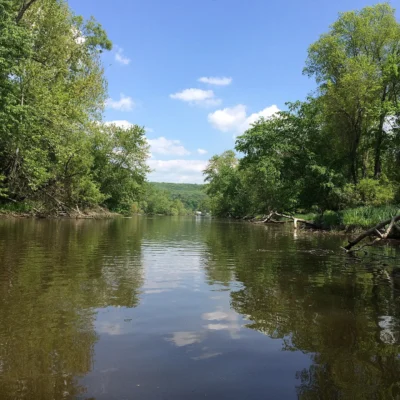
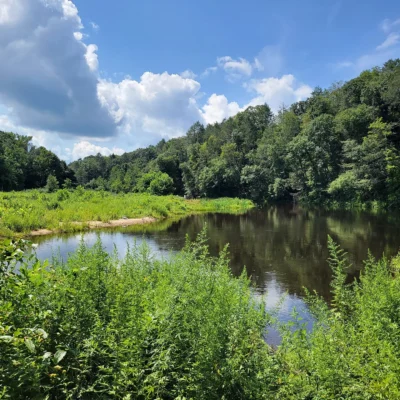
Maromas Coop Wildlife Management Area protects floodplain habitat along the Connecticut River near Middletown. The cooperative WMA (managed jointly with private landowners) preserves seasonal flooding patterns that create critical waterfowl habitat.
Visitor Information
| Detail | Information |
|---|---|
| Location | Near Middletown, CT |
| Entry Fee | Free |
| Feature | CT River floodplain |
| Wildlife | Cooperative management model |
About Maromas Coop WMA
Maromas Cooperative Wildlife Management Area in Middletown sits along the Connecticut River floodplain. The area’s seasonally flooded meadows and riparian forest provide habitat for migratory waterfowl and wading birds along the river corridor.
Maromas Cooperative Wildlife Management Area in Middlesex County protects Connecticut River floodplain habitat near Middletown — the geographic heart of Connecticut. The cooperative designation means the state partners with private landowners to manage habitat. The Connecticut River’s broad floodplain supports bald eagles (over 60 nesting pairs now in Connecticut — up from zero in the 1990s) and migrating raptors.
Things to Do
Waterfowl hunting (seasonal), birdwatching during spring migration, fishing in the Connecticut River, and wildlife observation.
Birdwatching for bald eagles and raptors along the Connecticut River, hunting (seasonal), fishing, and witnessing one of New England’s great conservation success stories — the return of bald eagles to Connecticut.
Frequently Asked Questions
Do I need a permit to visit?
Connecticut Wildlife Management Areas are open to the public for hiking, birdwatching, and nature study without a permit. Hunting and fishing require valid Connecticut licenses and stamps. WMAs may be closed during certain hunting seasons — check the CT DEEP website for current access restrictions.
Are dogs allowed?
Dogs are permitted but must be kept under control at all times. During bird nesting season (April through July), dogs should be leashed to protect ground-nesting species. Hunting dogs are allowed during designated hunting seasons with appropriate permits.
Is Maronas Coop accessible by public transit?
Most Connecticut WMAs require a car for access. The nearest bus routes are in surrounding towns. Parking is typically a small dirt lot or roadside pull-off — arrive early during hunting season.
What conservation benefit does this WMA provide?
Cooperative WMAs protect critical habitat corridors that connect larger forest blocks. Even small WMAs provide essential stopover habitat for migrating birds and maintain genetic connectivity for wildlife populations in increasingly fragmented landscapes.
Wildlife & Nature
Maromas Cooperative WMA provides managed habitat along the Connecticut River floodplain. The cooperative management model — where state wildlife agencies work with private landowners — extends conservation benefits beyond public land boundaries. The floodplain’s seasonal inundation creates unique conditions — silver maple floodplain forests flood annually in spring, and the receding waters leave nutrient-rich sediment supporting explosive plant growth. These temporarily flooded forests provide critical breeding habitat for wood frogs — among the first amphibians to breed each spring, their “quacking” chorus heard from March ice-edged pools. Barred owls, red-shouldered hawks, and pileated woodpeckers all favor these mature floodplain forests.
Nearby Attractions
Middletown — Connecticut’s geographic center — offers Wesleyan University cultural attractions and a revitalizing downtown riverfront. Cromwell Meadows WMA provides additional floodplain birding. Portland Brownstone Quarries supply the famous building stone and now host an adventure park. Arrigoni Bridge — a striking Art Deco steel arch — connects Portland to Middletown with river views. Wadsworth Falls State Park in Middlefield features two waterfalls. Lyman Orchards — farming since 1741 — offers pick-your-own and farm dining.
Nearby state parks: If you have extra time, Charter Marsh Wildlife Sanctuary is a short drive away, and Minnie Island State Park is a short drive away.

🐾 Dogs & Pets at Maromas Coop Wildlife Management Area
- Pets allowed? statewide rule
- Pets on a leash are permitted in most Connecticut state parks and forests, but not in buildings, swimming areas or state park campgrounds.
- Leash rule statewide rule
- Pets must be leashed and under control at all times; in state forest camping areas the leash may be no longer than 7 feet.
- Beaches & swim areas statewide rule
- Pets are prohibited in swimming areas; Sherwood Island and Squantz Pond State Parks ban pets entirely April 15 - September 30.
- Cabins & lodging statewide rule
- Pets are banned from all state park campgrounds; they are allowed only in the American Legion, Pachaug and Salt Rock state forest campgrounds, but not on rustic cabin sites.
- Statewide exceptions statewide rule
- Pets prohibited year-round at Dinosaur State Park and in the formal gardens and beach at Harkness Memorial State Park.
Are dogs allowed at Maromas Coop Wildlife Management Area?
Pets on a leash are permitted in most Connecticut state parks and forests, but not in buildings, swimming areas or state park campgrounds. Individual parks can post stricter rules — check signage on arrival.
Rules verified July 2026 via portal.ct.gov. More: Connecticut state parks guide · Dog rules in all 50 states compared
Park Location
Plan your gear for Maromas Coop Wildlife Management Area
From our editorial guides, matched to this park’s activities:



Top Tours & Activities Near Hartford
 from $143
 from $158
 from $143